
 EN
EN EN
EN CN
CN ES
ES PT
PT SV
SV DE
DE TR
TR FR
FR AR
AR BG
BG HR
HR CS
CS DA
DA NL
NL FI
FI EL
EL HI
HI IT
IT JA
JA KO
KO NO
NO PL
PL RO
RO RU
RU CA
CA TL
TL IW
IW ID
ID LV
LV LT
LT SR
SR SK
SK SL
SL UK
UK VI
VI SQ
SQ ET
ET GL
GL HU
HU MT
MT TH
TH FA
FA AF
AF MS
MS GA
GA BE
BE UZ
UZ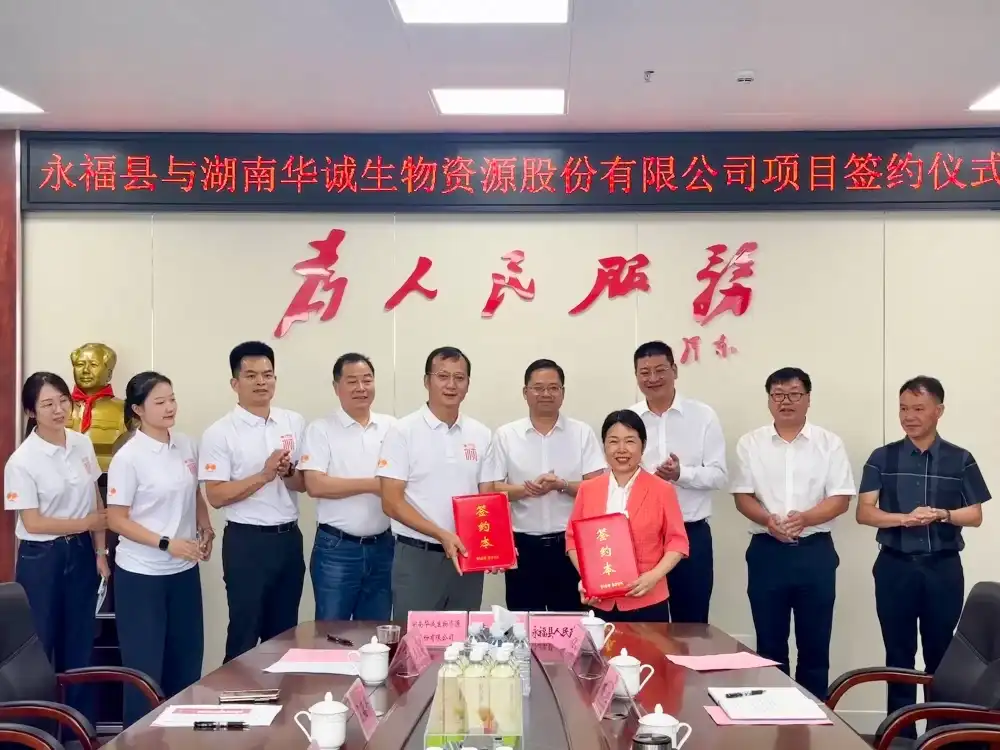
Huacheng Bio: Building Momentum for the Future, Sharing New Beginnings
Huacheng Bio has officially entered a new chapter with the formal establishment of its new...
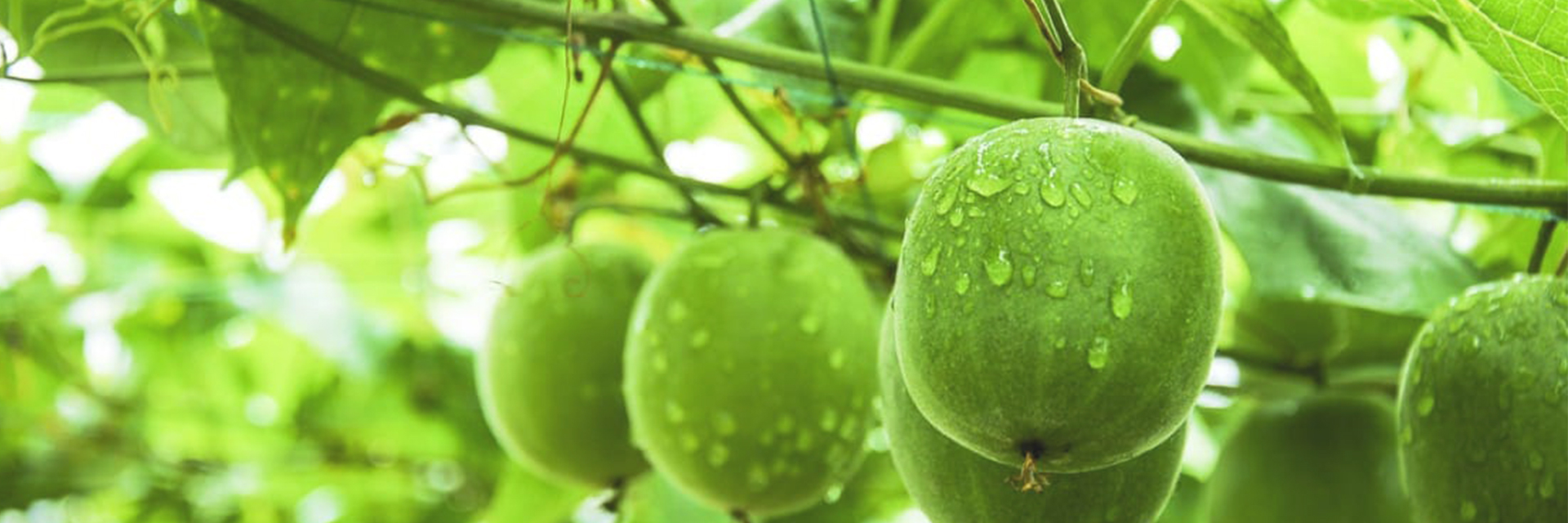
China Bulk Cranberry Extract: Factory-direct from Huacheng
When sourcing cranberry extract in large volumes, the supplier’s production backbone matters as much as the ingredient itself. Huacheng Biotech runs a vertically integrated operation in China, handling everything from raw material processing to final extraction under one roof. That chain-of-custody approach helps control costs and keeps quality checks tighter—a combination bulk buyers tend to look for but don't always find. The facility holds FDA, HACCP, GMP, CE, and BRC certifications, which means the batch you receive has passed audits covering food safety, traceability, and consistent manufacturing. Instead of piecing together supply from multiple small workshops, you get a single source with the capacity to handle container-level orders without scrambling. For companies that need cranberry extract as a cost-sensitive ingredient in supplements or functional foods, cutting out middlemen here often translates to landed costs that make more sense at scale.
Technical Detail
Huacheng Biotech’s cranberry extract starts with raw fruit sourced from established growing regions, then moves through an in-house extraction line that uses a standard hydroalcoholic process—nothing exotic, just the repeatable method most formulators expect. After concentration and carrier blending, the liquid goes to a spray-drying tower, yielding a free-flowing powder that dissolves reasonably well in cold water. The typical spec falls around 4:1 to 10:1 concentration ratios, with proanthocyanidin content tested by UV or HPLC depending on what your label needs. Because the facility also runs monk fruit and other plant extract lines, cross-contamination control is built into the workflow rather than retrofitted. Every lot gets logged against a HACCP plan, and the on-site lab runs ID, heavy metals, pesticide residues, and microbials before release. CE marking supports mechanical safety of the equipment, but for food-grade extracts the more relevant ones are BRC and GMP—both renewed through annual audits. Bulk orders ship in 25kg fiber drums with double PE liners, though vacuum packing is available if your humidity environment is aggressive. The procurement model here is straightforward: you deal with one manufacturing entity, not a trading company that subcontracts production. That often shortens lead time—raw cranberry extraction to dispatch typically runs four to five weeks for multi-ton orders, provided the fruit crush season isn’t creating bottlenecks. Pricing doesn’t ride on brand premium; what you pay reflects the actual input costs plus contracted processing. Several contract manufacturers in North America and Europe use this material in capsules and powdered drink mixes, blending it with other berry extracts or vitamin C. If you’re comparing quotes, ask for the solvent residue profile and a recent third-party PAKs report—that’s where unusually cheap cranberry extract from some suppliers tends to show its true colors. For volumes above 500kg, sample retention and shipping documentation can be bundled into the quote without much back-and-forth.
News
Huacheng Bio has officially entered a new chapter with the formal establishment of its new...

Join Us at Food Ingredients China (FIC) 2026! March 17–19, 2026 Hall 4.1 | Booth...

As a global leader in natural, health‑forward sweetening solutions, we will be present at ...
Products
FAQ
We regularly supply 4:1, 5:1, and 10:1 ratios. The 10:1 grade is commonly used in capsules because it reduces fill weight. Lower ratios work well for powdered drink blends where you need more carrier volume. Custom ratios are possible but require a minimum campaign size to justify line changeover.
Our facility certifications include BRC, GMP, HACCP, and FDA registration. For EU shipments we provide a COA with pesticide and heavy metal results that meet EC 396/2005 MRLs. The BRC audit is unannounced and covers full traceability—raw material to finished pallet. We’ve shipped to Germany, the Netherlands, and the UK without customs holds related to food safety documentation.
From confirmed order to ex-works readiness, usually four to five weeks. That includes batch scheduling, extraction, drying, testing, and packing. Ocean freight to the US West Coast adds about 18 days, plus customs clearance. Air freight can be arranged for smaller rush orders, but the cost per kilo jumps considerably.
Within a certain range, yes. We can target a minimum 2.5% or 5% PAKs by UV, but the exact number depends on the incoming fruit lot. A small amount of silicon dioxide or tricalcium phosphate can be added to improve flow without needing to notify you—just mention it when we quote. For higher PAKs concentrations, we’d run a second purification step, which adds about a week.
Two years from the date of manufacture when kept in a cool, dry place below 25°C and away from direct light. Even after opening a drum, if you reseal it well and use desiccant bags, the powder stays free-flowing. We stamp a retest date on the COA in case you push beyond 24 months and want to recheck microbials.
Share your product type, target capacity, and application requirements. Our team can review the details and recommend a practical next step.