
 EN
EN EN
EN CN
CN ES
ES PT
PT SV
SV DE
DE TR
TR FR
FR AR
AR BG
BG HR
HR CS
CS DA
DA NL
NL FI
FI EL
EL HI
HI IT
IT JA
JA KO
KO NO
NO PL
PL RO
RO RU
RU CA
CA TL
TL IW
IW ID
ID LV
LV LT
LT SR
SR SK
SK SL
SL UK
UK VI
VI SQ
SQ ET
ET GL
GL HU
HU MT
MT TH
TH FA
FA AF
AF MS
MS GA
GA BE
BE UZ
UZ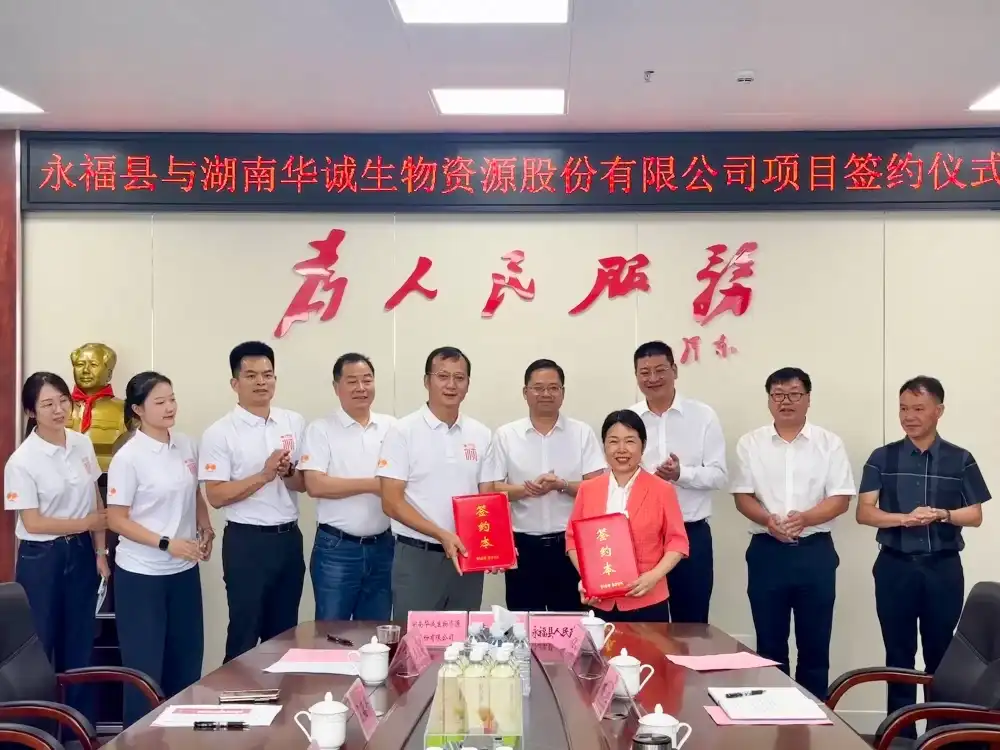
Huacheng Bio: Building Momentum for the Future, Sharing New Beginnings
Huacheng Bio has officially entered a new chapter with the formal establishment of its new...
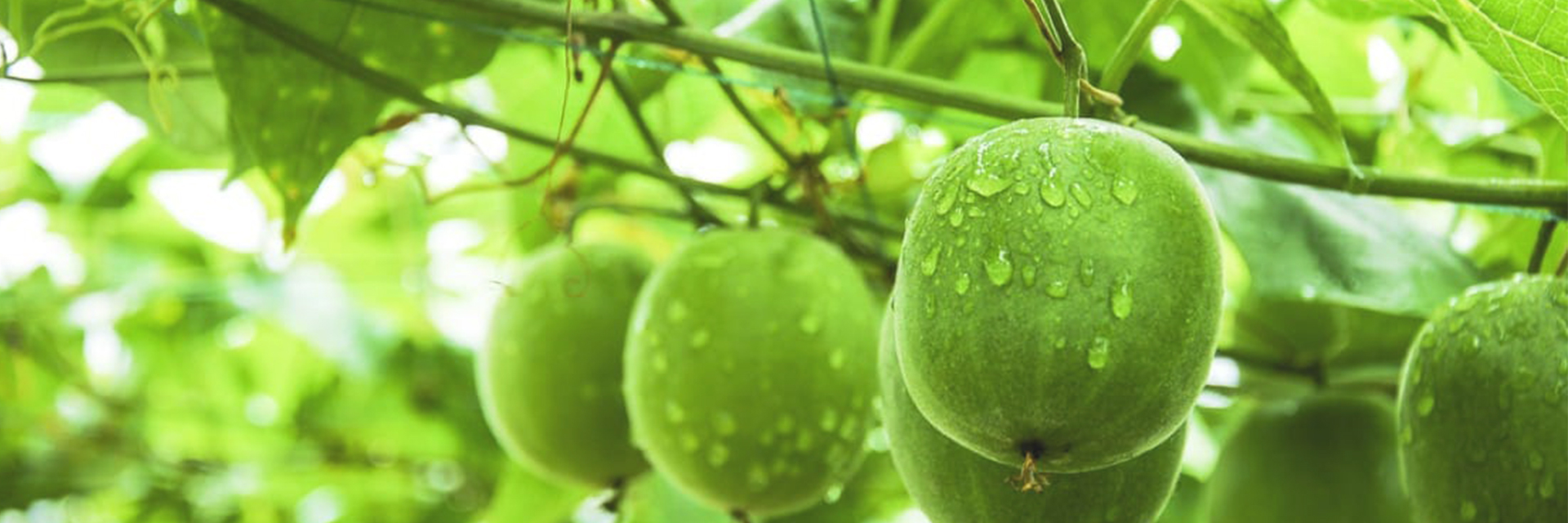
Elderberry Extract from China: A Supplier with Technical Depth
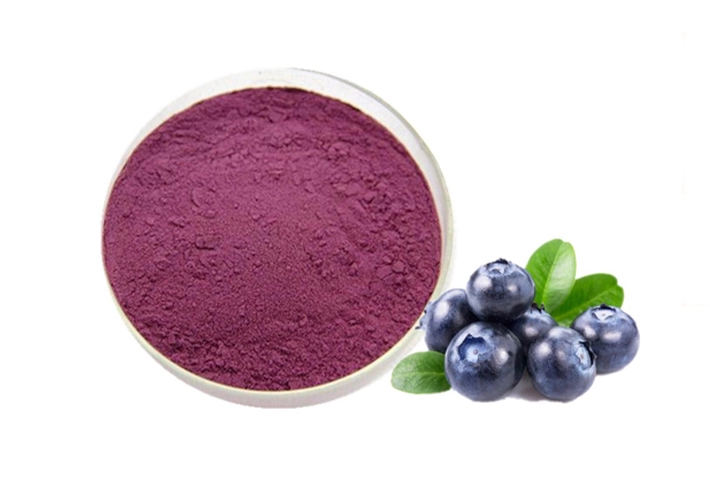
Finding a supplier for elderberry extract in China often means choosing between price and traceability. Some factories quote low but cut corners on testing. Others have the documentation but charge a premium that makes the finished product uncompetitive. Hunan Huacheng Biotech sits in the middle: a manufacturer with its own extraction line, in-house labs accredited to GMP and HACCP, and certificates like FDA, BRC, and CE—but a budget positioning driven by an integrated industry chain that skips the middleman. This setup matters for brands that care about cost per gram of anthocyanin delivered, not just the raw powder price. The team treats elderberry extract less as a commodity and more as a technical ingredient where lot-to-lot consistency and residual contaminant control affect downstream formulation. That technical lens carries through from solvent selection to final spray drying, without the marketing fluff that often accompanies plant extracts from China.
Technical Detail
Huacheng Biotech builds its elderberry extract supply around an end-to-end industry chain. The company cultivates grower networks in main producing regions, handles primary extraction at its own facility, and runs quality control in labs recognized under multiple international certifications. This vertical setup removes the typical brokers between harvest and export, which helps keep pricing in the budget segment without sacrificing the testing rigor that larger nutraceutical brands require. The extract line follows standard pharmacopoeial specifications—usually 4:1 to 10:1 ratio powders and standardized extracts with a target anthocyanin content. Extraction methods lean on ethanol-water systems, selected for yield and polyphenol integrity rather than speed. Post-extraction handling includes vacuum concentration and spray drying at temperatures controlled to minimize thermal degradation of the color pigments that many formulators value for visual appeal. Microbiological limits are set to comply with USP guidelines, and residual solvent levels get verified via headspace GC in each batch. Certifications play a visible role here. The facility holds FDA registration, HACCP, GMP, CE, and BRC certifications, which together cover food safety management, manufacturing hygiene, and product consistency. For buyers sourcing from China, this bundle often shortens the audit cycle—internal audit reports and third-party certification documents typically satisfy most vendor qualification questionnaires without requiring a separate plant visit, though Huacheng welcomes on-site inspections. From a logistics standpoint, the company handles ocean freight documentation, COA issuance, and full traceability back to the field lot. Standard packaging includes 25 kg fibre drums with double polyethylene liners, which holds up well in tropical transit. Requests for sample packs of 100 g to 1 kg ship out within a week, giving formulators early confirmation of sensory and solubility parameters before committing to volume orders. Support for custom blends—mixing elderberry with other berry extracts or carriers like maltodextrin—is available under the same certifications, keeping the regulatory dossier simple for buyers exporting to multiple regions.
News
Huacheng Bio has officially entered a new chapter with the formal establishment of its new...
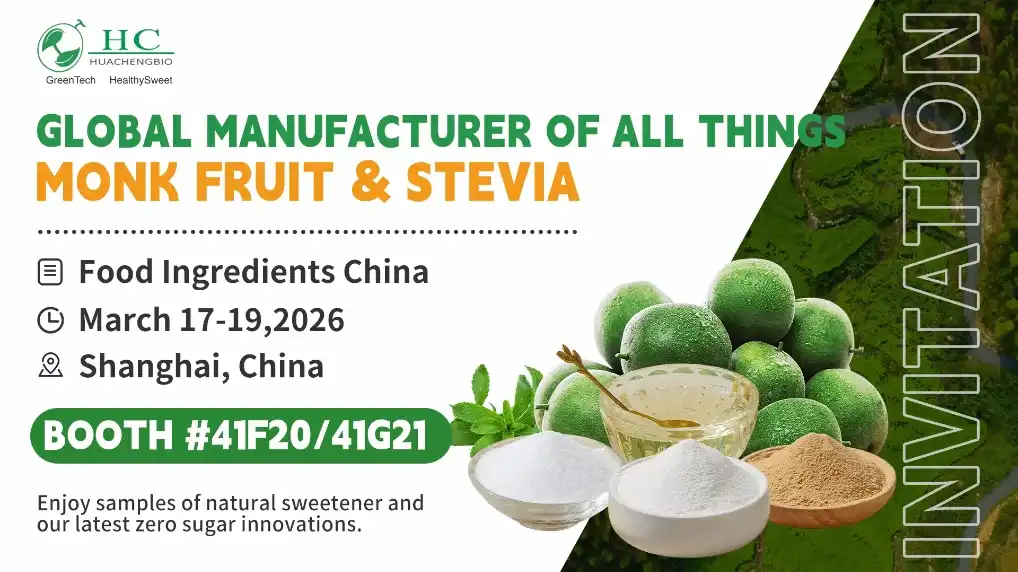
Join Us at Food Ingredients China (FIC) 2026! March 17–19, 2026 Hall 4.1 | Booth...

As a global leader in natural, health‑forward sweetening solutions, we will be present at ...
Products
FAQ
The production site operates under FDA registration, HACCP, GMP, CE, and BRC certifications. These cover food safety systems, manufacturing hygiene, and product consistency. Batch-specific certificates of analysis are released with every shipment, referencing the relevant analytical methods.
Standard stock is conventional, but organic and non‑GMO variants are available upon request with appropriate documentation. Lead times for certified batches are longer because raw material traceability and certification verification add steps to the sourcing process.
Our supplied extracts usually target 5% to 25% anthocyanins by UV‑VIS, based on European elderberry (Sambucus nigra). Specific percentages are agreed upon during contract review and confirmed per batch on the COA. Higher potencies are achievable but affect pricing and minimum order quantities.
For initial trials we can supply 1 kg sample packs processed under the same GMP environment. Commercial MOQs depend on the extract specification and packaging, typically starting at 25 kg. Smaller commercial volumes up to 5 kg are possible but incur a low‑volume surcharge to cover fixed documentation and handling costs.
Each batch undergoes ICP‑MS testing for lead, arsenic, cadmium, and mercury, with limits aligned to USP monograph standards. Microbiological specifications are set at <1000 CFU/g total plate count, <100 CFU/g yeast and mould, and absence of E. coli, Salmonella, and S. aureus in a 25 g sample. Results appear on the COA.
Share your product type, target capacity, and application requirements. Our team can review the details and recommend a practical next step.