
 EN
EN EN
EN CN
CN ES
ES PT
PT SV
SV DE
DE TR
TR FR
FR AR
AR BG
BG HR
HR CS
CS DA
DA NL
NL FI
FI EL
EL HI
HI IT
IT JA
JA KO
KO NO
NO PL
PL RO
RO RU
RU CA
CA TL
TL IW
IW ID
ID LV
LV LT
LT SR
SR SK
SK SL
SL UK
UK VI
VI SQ
SQ ET
ET GL
GL HU
HU MT
MT TH
TH FA
FA AF
AF MS
MS GA
GA BE
BE UZ
UZ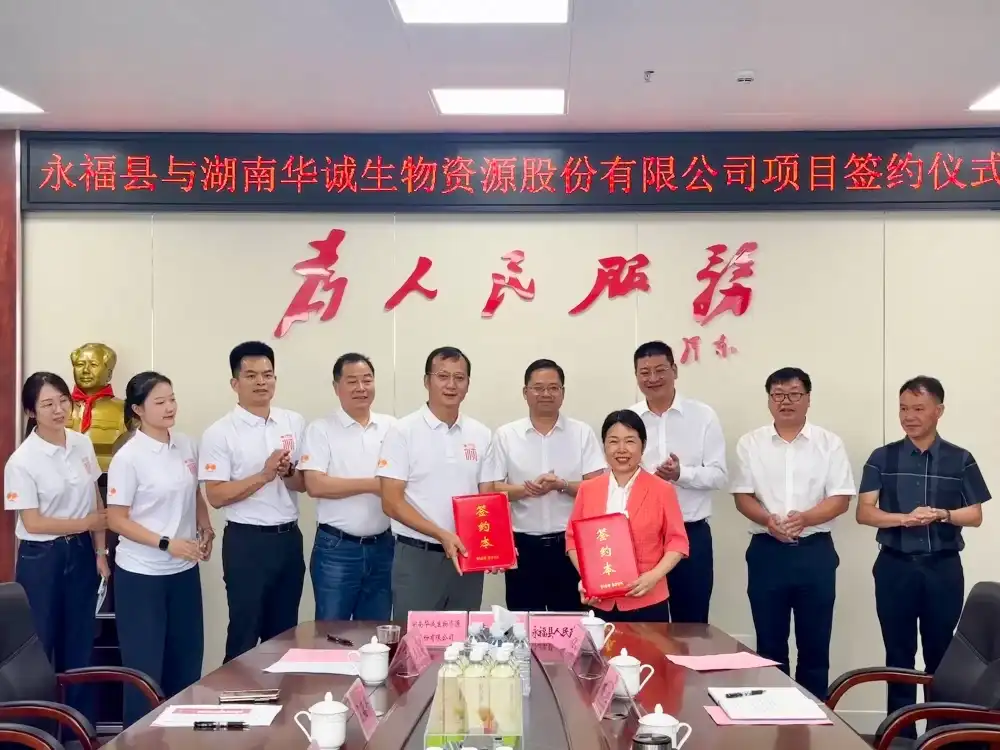
Huacheng Bio: Building Momentum for the Future, Sharing New Beginnings
Huacheng Bio has officially entered a new chapter with the formal establishment of its new...
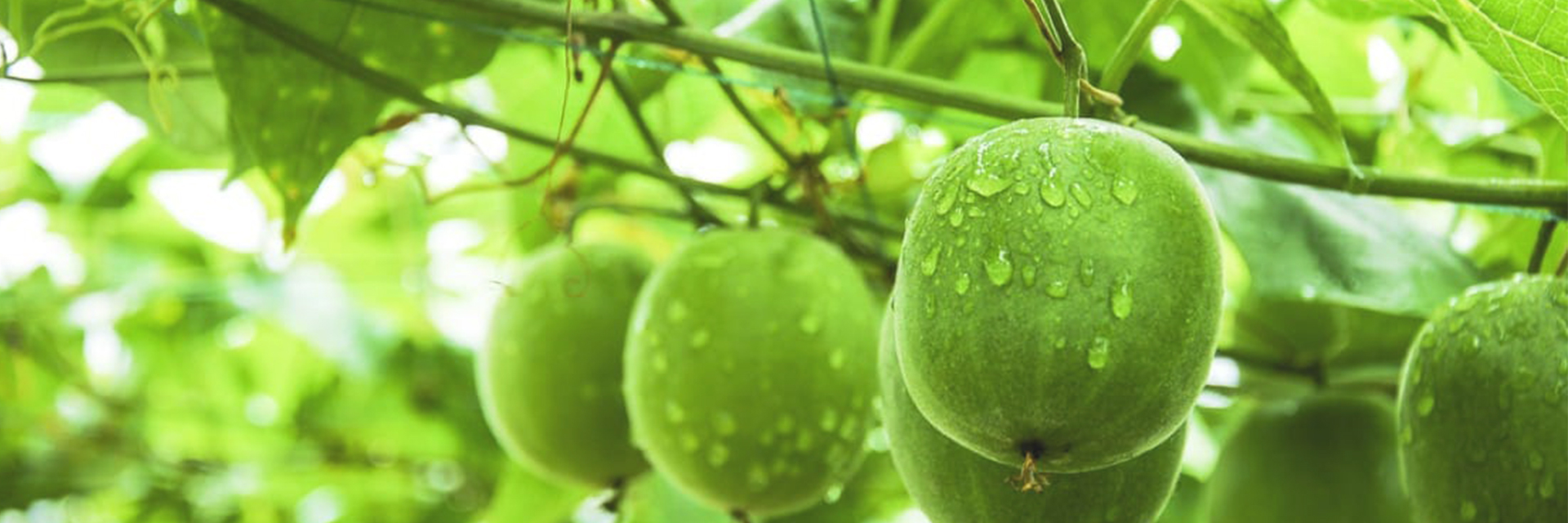
Liquid Elderberry Extract: Technical Overview
Elderberry extract in liquid form is a straightforward ingredient for dietary supplements, functional foods, and beverage applications. Most liquid extracts are produced by steeping dried elderberries in a water-alcohol mix or glycerin, then filtering and concentrating to a defined ratio. Common extract ratios range from 4:1 to 10:1, with the final product standardized to a minimum anthocyanin content – often cited as 3–5% – using spectrophotometric methods. The liquid format simplifies blending and dosing compared to powders, though it requires attention to preservation and shelf life. Huacheng Biotech supplies this extract with a focus on process transparency and batch-to-batch consistency, running in-process checks on pH, specific gravity, and microbial limits. The line sits in their industry chain that covers raw berry sourcing from family farms, extraction, and finished product testing under GMP. For buyers who need a no-frills, budget-aligned option without sacrificing basic quality specs, this extract fits.
Technical Detail
The liquid elderberry extract from Huacheng Biotech comes out of a production flow built on direct raw material access and integrated extraction workshops. The company operates its own elderberry supply nodes in central China, which helps lock in harvest timing and ripeness without depending on third-party traders. Berries are cleaned, dried, and then macerated in a food-grade ethanol-water solvent under controlled temperature. After filtration, the liquid is concentrated under vacuum to hit a target ratio – commonly 5:1 or higher – and standardized to an anthocyanin endpoint of at least 3%, measured by a pH-differential UV-Vis method. The final product is a viscous, dark-purple liquid with a characteristic tart-berry odor, soluble in water and alcohol. Typical specifications include: density 1.05–1.15 g/mL, pH 3.5–4.5, ethanol content < 0.5% (if alcohol-removed), and microbial limits meeting USP <2021> guidelines. Shelf life extends to 24 months when stored below 25°C in sealed drums, with potassium sorbate added as a preservative in standard batches. The extract fits into gummies, shots, syrups, and hard capsules after adsorption. Huacheng’s documentation package covers COA, residual solvent analysis, and heavy-metal test reports. The facility holds HACCP, GMP, and BRC certifications, and products are registered with FDA for U.S. exports. Buyers working on cost-sensitive retail lines can pull from this stream without paying for extra marketing claims.
News
Huacheng Bio has officially entered a new chapter with the formal establishment of its new...
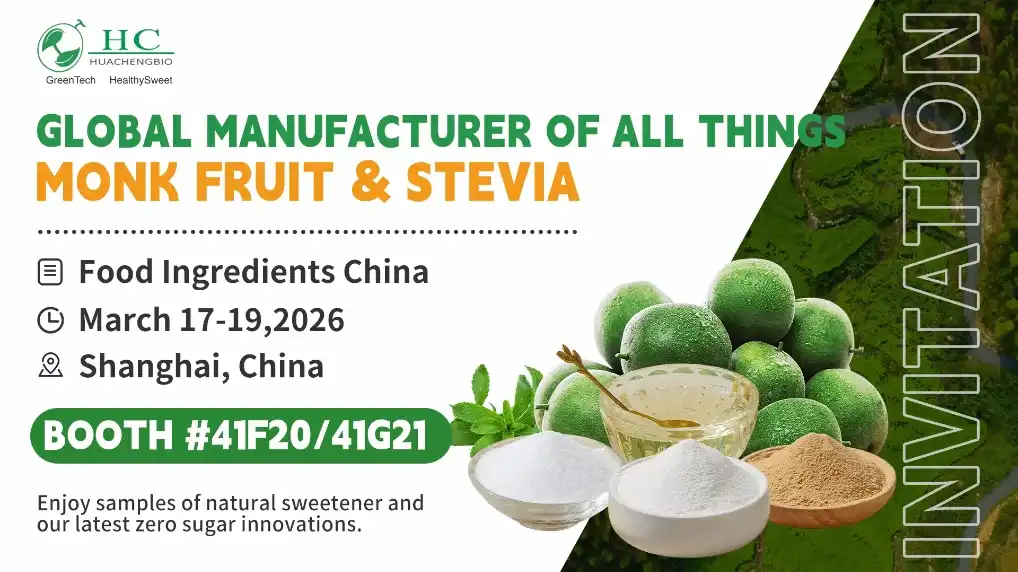
Join Us at Food Ingredients China (FIC) 2026! March 17–19, 2026 Hall 4.1 | Booth...

As a global leader in natural, health‑forward sweetening solutions, we will be present at ...
Products
FAQ
Most orders ship at a 5:1 or 10:1 ratio, which means 5 or 10 parts of dried elderberries go into one part of final liquid by weight. The exact ratio is confirmed on the COA for each batch.
We use a spectrophotometric method based on the pH differential at 520 nm. The result declares total anthocyanins as cyanidin-3-glucoside equivalents, typically not less than 3%.
Yes. The water-based format mixes easily into gummy slurry. We recommend letting the syrup reach 60–70°C before adding the extract to avoid thermal degradation of anthocyanins.
Standard is 25 kg food-grade HDPE drum with inner liner. We can also supply 5 kg jerrycans for trial orders. Custom packaging is possible after lead-time evaluation.
We offer 150 mL sample bottles free of charge, with freight collected. You’ll need to share a shelf-life test plan because the sample preservative level may differ from bulk batches.
Share your product type, target capacity, and application requirements. Our team can review the details and recommend a practical next step.