
 EN
EN EN
EN CN
CN ES
ES PT
PT SV
SV DE
DE TR
TR FR
FR AR
AR BG
BG HR
HR CS
CS DA
DA NL
NL FI
FI EL
EL HI
HI IT
IT JA
JA KO
KO NO
NO PL
PL RO
RO RU
RU CA
CA TL
TL IW
IW ID
ID LV
LV LT
LT SR
SR SK
SK SL
SL UK
UK VI
VI SQ
SQ ET
ET GL
GL HU
HU MT
MT TH
TH FA
FA AF
AF MS
MS GA
GA BE
BE UZ
UZ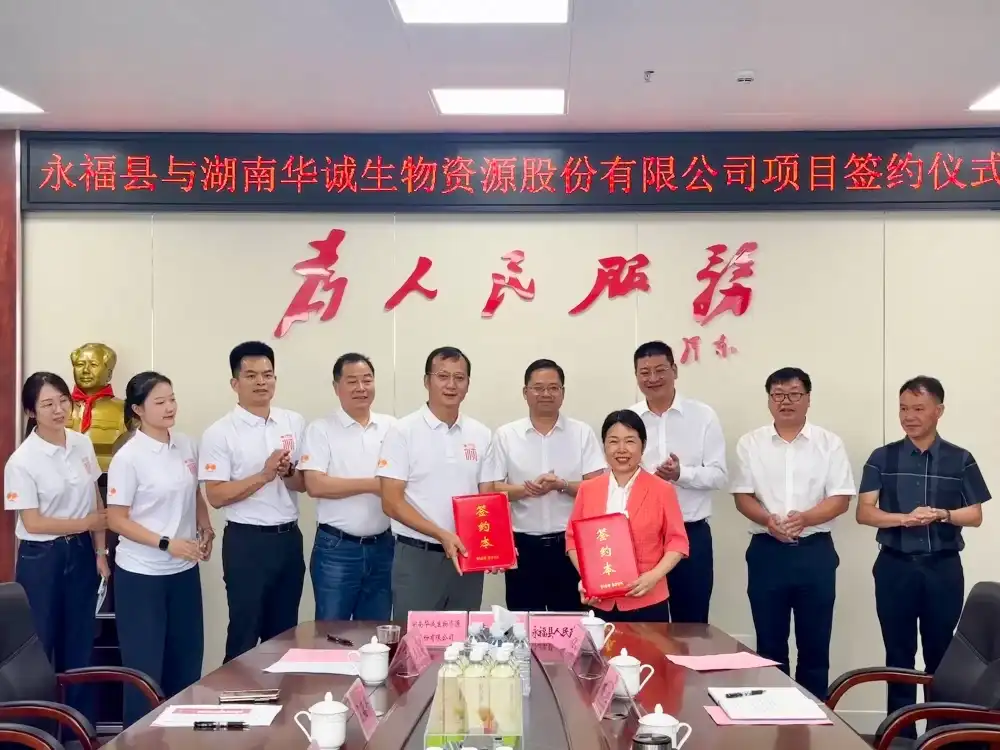
Huacheng Bio: Building Momentum for the Future, Sharing New Beginnings
Huacheng Bio has officially entered a new chapter with the formal establishment of its new...
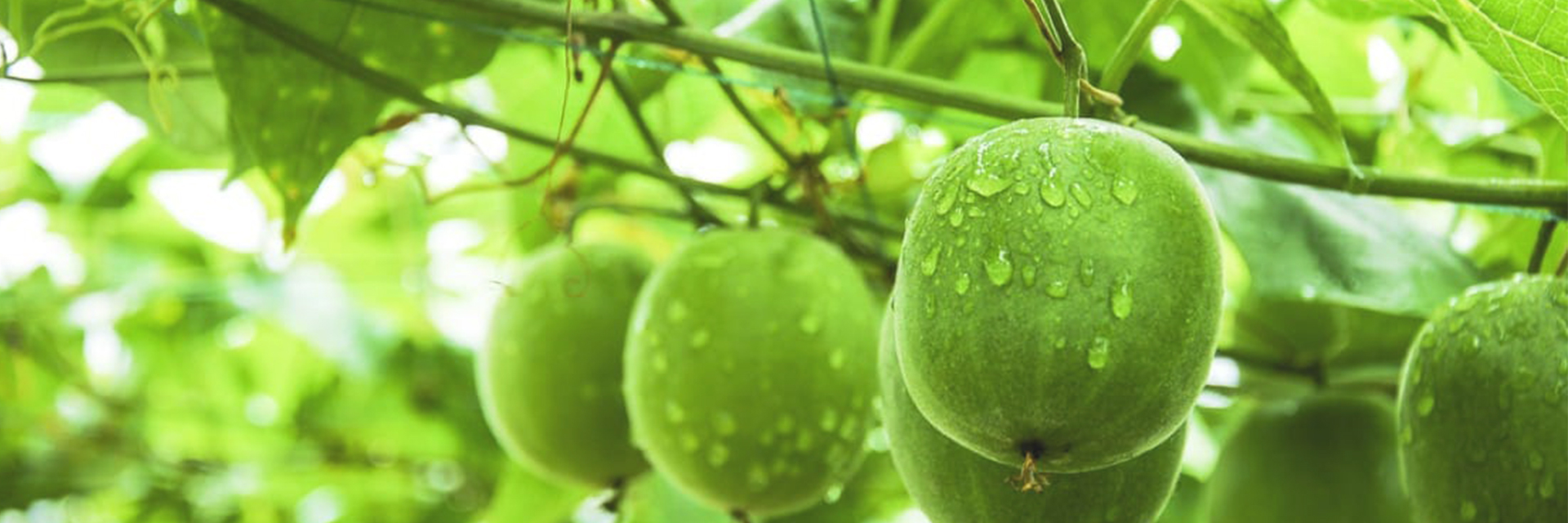
Monk Fruit Extract Sweetener: Component Data and Sourcing Logic
Most sourcing managers hit a wall when trying to balance mogroside V levels against batch-to-batch price swings. Hunan Huacheng Biotech sits right in the middle of that tension. We run our own monk fruit processing line in Yongzhou, so the extract sweetener you get isn’t a repackaged commodity—it’s cut straight from the drying and purification steps. That direct chain skips intermediate markups and keeps technical specs transparent. If your R&D team keeps asking for a specific glycoside profile without blowing the budget, this is where the conversation usually starts.
Technical Detail
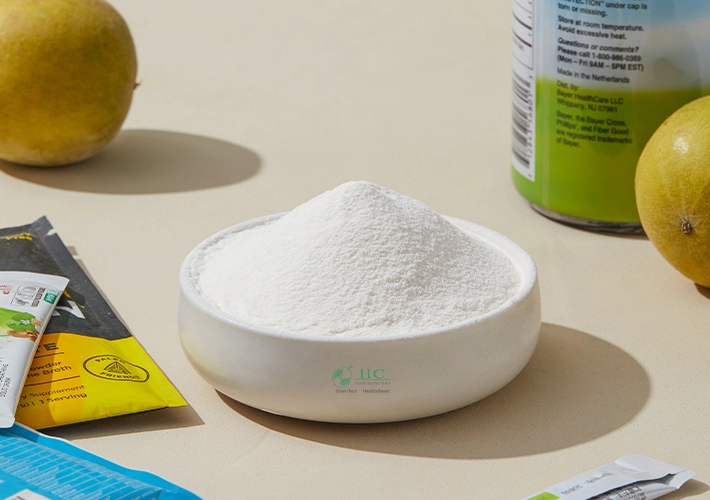
The monk fruit extract sweetener we supply typically ranges from 25% to 80% mogroside V, tested by HPLC. Lower grades still deliver around 150–200 times the sweetness of sucrose with a clean aftertaste, while higher concentrations push closer to 300 times sweetness equivalency. Solubility stays above 90% in water at ambient temperature, which matters a lot for beverage lines where clogged filters kill uptime. Since Hunan Huacheng operates its own extraction and refining towers, the supply chain isn’t strung across three middlemen—we control the key steps from fresh fruit maceration through ion-exchange polishing. That setup also lets us offer lot-specific documentation: moisture below 5%, ash under 1%, and microbial loads within standard food-grade limits. BRC and FDA registration means the paperwork is ready if your QA team wants to audit. The economic angle is simpler than most realize. By cutting out trading layers, our monk fruit extract sweetener lands at price points that make sugar reduction initiatives pencil out, even for private-label products. Typical formats include spray-dried powder in 25 kg drums or custom sachets for pilot runs. Blends with erythritol or inulin are also available if your application needs bulk without a gummy texture.
News
Huacheng Bio has officially entered a new chapter with the formal establishment of its new...
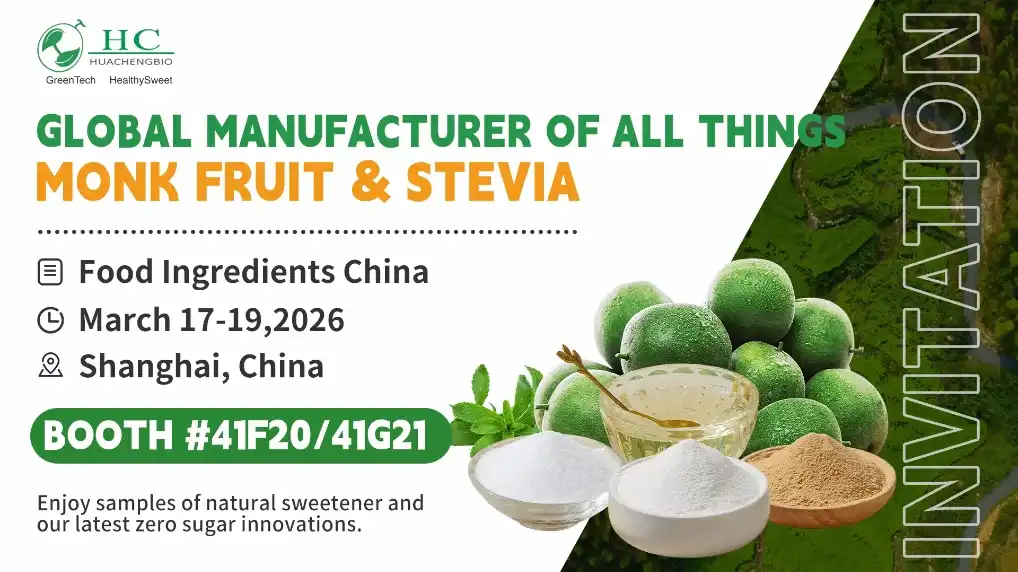
Join Us at Food Ingredients China (FIC) 2026! March 17–19, 2026 Hall 4.1 | Booth...

As a global leader in natural, health‑forward sweetening solutions, we will be present at ...
Products
FAQ
Most orders sit between 25% and 80% mogroside V. The 50% grade is the workhorse for ready-to-drink teas because it balances sweetness intensity with cost. Higher concentrations make sense for tabletop packets where every gram counts.
We skip the middleman by running extraction in the same province where the fruit is grown. That geographical lock cuts transport and commissioning fees, which most trading companies fold into the product price.
Yes, we ship 200-gram evaluation samples with a certificate of analysis. It’s enough to test solubility in your beverage matrix and run a quick sensory panel against your current bulk sweetener.
At pH levels above 3.0, the lingering sweetness stays clean in most formulations. If you’re working with citrus-heavy drinks, we usually suggest a 55% mogroside grade to keep the finish shorter, but final tweaks depend on your other flavor systems.
We include a BRC certificate, FDA registration number, and a product-specific spec sheet listing residual solvents, heavy metals, and microbiology. If you need extra documentation for Halal or Kosher, we can coordinate through our quality team.
Share your product type, target capacity, and application requirements. Our team can review the details and recommend a practical next step.