
 EN
EN EN
EN CN
CN ES
ES PT
PT SV
SV DE
DE TR
TR FR
FR AR
AR BG
BG HR
HR CS
CS DA
DA NL
NL FI
FI EL
EL HI
HI IT
IT JA
JA KO
KO NO
NO PL
PL RO
RO RU
RU CA
CA TL
TL IW
IW ID
ID LV
LV LT
LT SR
SR SK
SK SL
SL UK
UK VI
VI SQ
SQ ET
ET GL
GL HU
HU MT
MT TH
TH FA
FA AF
AF MS
MS GA
GA BE
BE UZ
UZ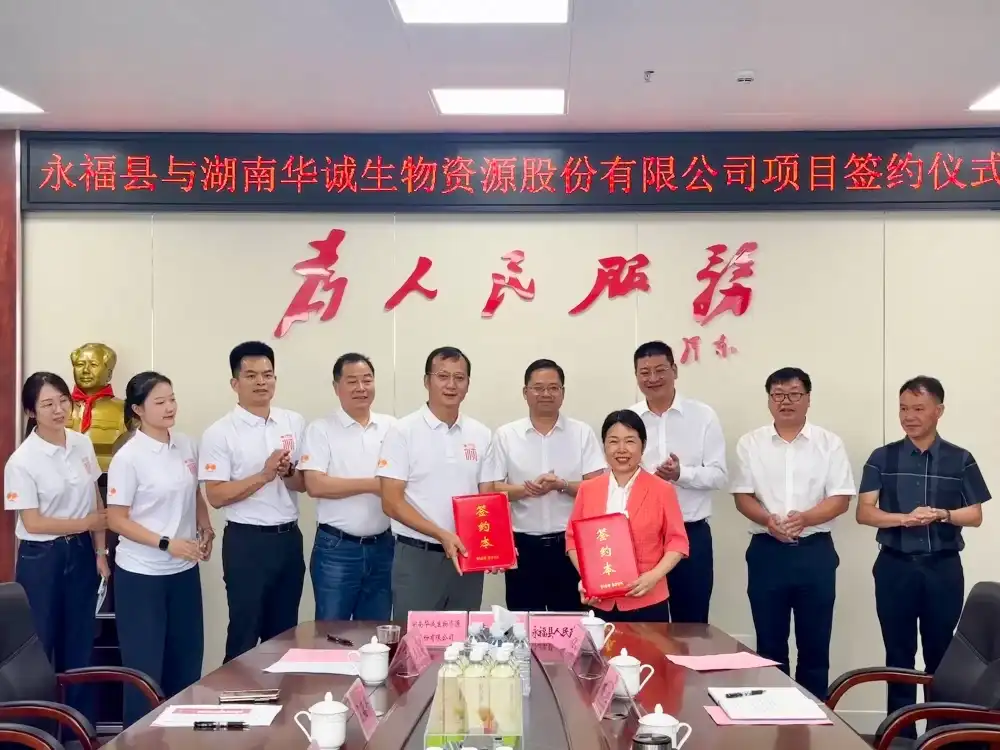
Huacheng Bio: Building Momentum for the Future, Sharing New Beginnings
Huacheng Bio has officially entered a new chapter with the formal establishment of its new...
Sweet Tea Extract Powder Suppliers with Transparent Supply Chain
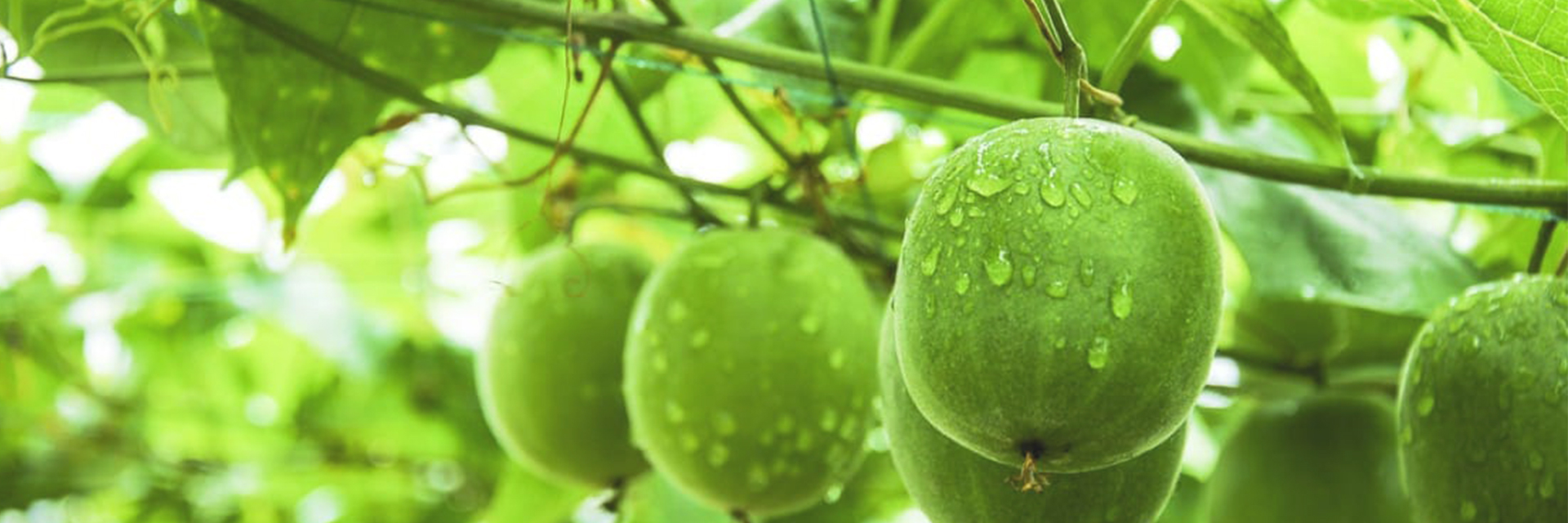
Every purchasing manager knows the moment: a shipment of sweet tea extract powder arrives, but the specs don’t match the COA, and suddenly production lines risk downtime. That’s where supplier choice stops being a line item and becomes a risk calculation. At Huacheng Biotech, sweet tea extract powder isn’t a side product—it comes through a dedicated plant extract line that we control from raw leaf sourcing to final packaging. Most sweet tea extract powder suppliers trade between intermediaries, but we run the entire chain under GMP, HACCP, and BRC certifications. It’s not a marketing story; it’s visible in batch records and the fact that our facility holds over twenty processing patents. For buyers who need sweet tea extract powder in consistent, large volumes and want to avoid the usual ‘quality lottery,’ we offer a practical, audit-ready path.
Technical Detail
Hunan Huacheng Biotech operates on a simple but rare principle for sweet tea extract powder suppliers: own the core steps, then pass the savings forward. Most companies buy semi-processed goods and relabel; we handle extraction, concentration, spray drying, and packaging on a 5,000-square-meter GMP floor. The result isn’t just a certificate wall—though the FDA, CE, and BRC audits are there—it’s the ability to deliver 40 metric tons of sweet tea extract powder monthly without scrambling for subcontracted capacity. Our patent portfolio on extraction and purification gives formulators two practical advantages: batch-to-batch rubusoside and polyphenol profiles stay within tighter bands, and production timelines don’t get derailed by supplier-side contamination events. For brands working on zero-calorie beverage lines or functional gummy SKUs, this means you can lock in a cost curve early. Since we aren’t a premium-priced ‘specialty’ house, the model fits R&D trials all the way to commercial batches. The sweet tea extract powder ships with full documentation load—allergen statement, residual solvent data, and microbial limits—so your QA team spends less time emailing and more time releasing products.
News
Huacheng Bio has officially entered a new chapter with the formal establishment of its new...
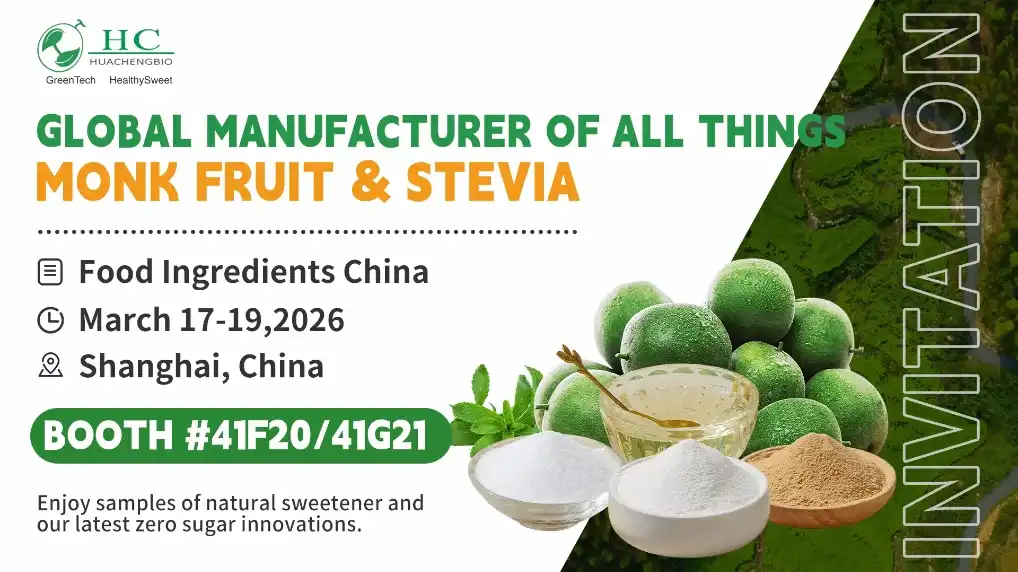
Join Us at Food Ingredients China (FIC) 2026! March 17–19, 2026 Hall 4.1 | Booth...

As a global leader in natural, health‑forward sweetening solutions, we will be present at ...
Products
FAQ
We provide a third-party HPLC report with every batch. The typical specification is rubusoside ≥30%, but custom concentrations can be prepared. If your internal testing shows deviation, we rerun the sample using the same certified lab network to eliminate instrument bias before discussing root cause.
Our standard MOQ is 25 kg inside China and 50 kg for export. For trial-scale batches, we occasionally supply 1-5 kg samples when existing production runs allow, though lead time may extend slightly. Freight prep logistics work differently for FOB vs CIF terms, so you’ll get a exact quote once we know your port.
Yes, rubusoside from sweet tea leaf shows good thermal stability up to 180°C in our internal bake tests. However, the Maillard reaction in high-protein doughs can cause slight browning. Most commercial bakeries incorporate it as a post-bake dusting or fillings ingredient to maintain the exact sweetness profile.
We run a sealed, positive-pressure dry room at ≤25°C and RH ≤35%. After spray drying, the powder passes through a 24-mesh sieve and is packed in food-grade PE inner bags with aluminum foil outer layers under nitrogen flush. Every pallet gets a unique tracking code that ties back to the dryer run, so if any micro report spikes, we can isolate the exact hour of production.
Our facility is FDA-registered and undergoes annual BRC audits, which cover the sweet tea extract line. For Canadian customers, we provide a supplier declaration of compliance under the Safe Food for Canadians Regulations. Test reports for heavy metals, aflatoxins, and pesticide residues follow USP or EP monographs by default, but we adjust methods if your firm has a preferred lab.
Share your product type, target capacity, and application requirements. Our team can review the details and recommend a practical next step.