
In recent years, stevia extract has taken center stage across the global sweetener market as food, beverage, nutraceutical, and pharmaceutical manufacturers pivot toward clean-label, plant-derived sugar alternatives. Yet one question continues to surface across R&D meetings, compliance discussions, and formulation rooms: Does stevia extract increase estrogen?
This concern isn’t random. As health-conscious consumers raise questions about hormonal health, manufacturers feel increasing pressure to understand the endocrine safety of every ingredient they use. Claims about stevia hormone disruption, estrogenic activity, or even withdrawal symptoms have circulated online, causing uncertainty among product developers.
Today’s article examines the science, regulatory guidance, clinical research, and formulation considerations — giving manufacturers a clear, persuasive, evidence-driven answer.
Stevia extract is derived from the leaves of Stevia rebaudiana, a naturally sweet plant cultivated worldwide. Highly purified steviol glycosides—especially Rebaudioside A (Reb A) and Rebaudioside D (Reb D)—deliver intense sweetness without the calories, glycemic response, or unfavorable aftertaste associated with many synthetic alternatives.
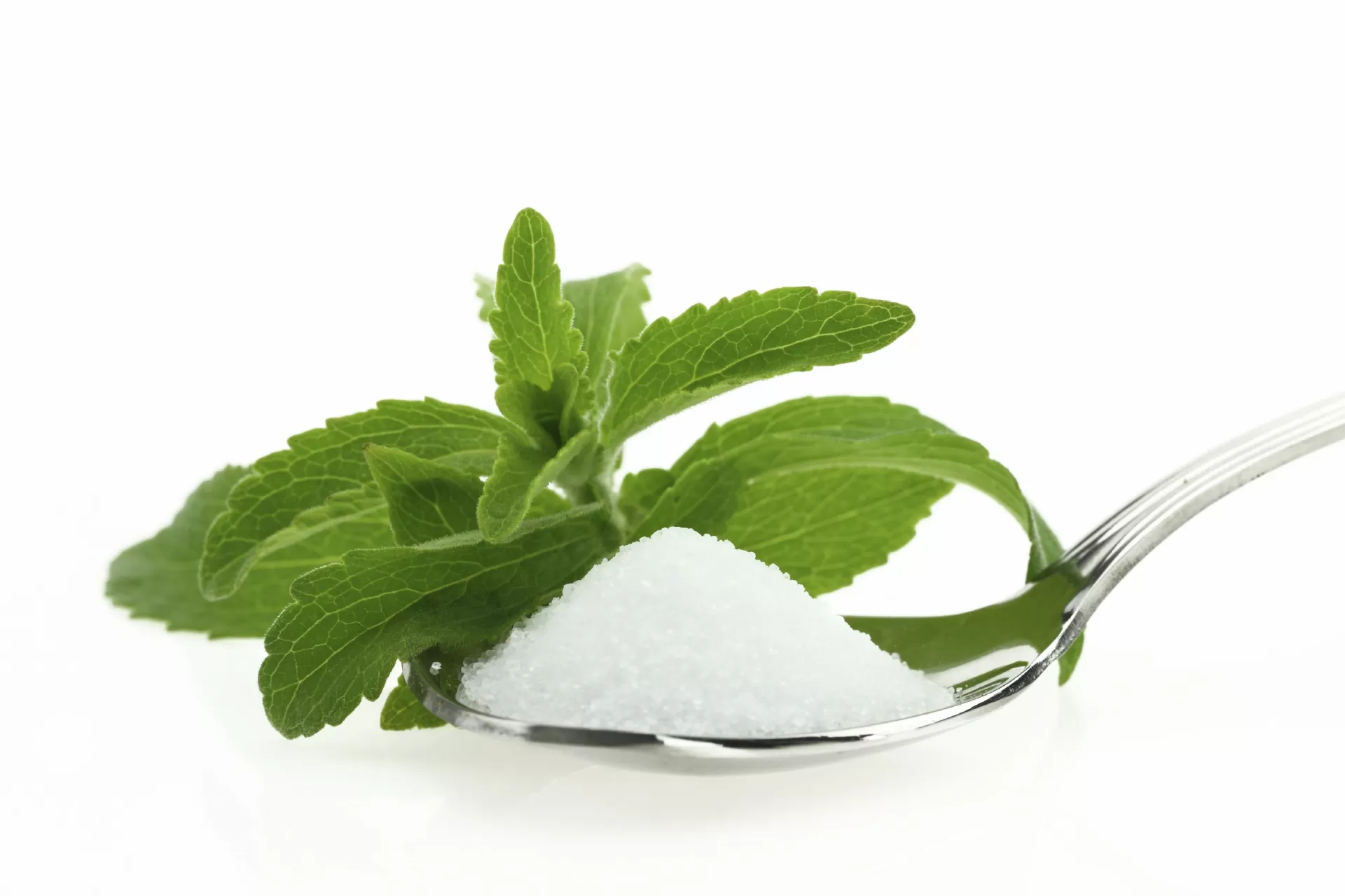
Manufacturers typically rely on:
For product manufacturers seeking long-term commercial stability, stevia remains one of the most versatile sweetening solutions available.
Estrogen is a natural hormone responsible for reproductive function, metabolic balance, bone density, and many other physiological processes. Any external compound that interferes with estrogen is classified as a potential endocrine disruptor.
The endocrine system is highly sensitive, but not all compounds interact with it. For a substance to cause hormonal disruption, it must:
So the real question is: Does stevia extract activate these pathways?
Let's examine the research.
Multiple peer-reviewed studies, including systematic safety evaluations from major regulatory bodies (FDA, EFSA, JECFA), conclude that purified steviol glycosides do NOT increase estrogen levels.
Why?
Studies showing hormonal effects typically involve crude, unpurified stevia leaves, not the high-purity extracts used in manufacturing.
To classify a compound as an endocrine disruptor, there must be consistent, reproducible evidence of:
Purified stevia extract does none of these. Leading global regulatory authorities classify it as non-endocrine-disruptive.
No. There is no credible clinical or regulatory evidence that stevia extract increases estrogen in humans or animals.
What about those viral claims online?
When evaluating ingredient safety, manufacturers should rely on validated science — and the science is overwhelmingly clear: Stevia extract does not cause estrogen elevation.
The biggest misconception is that "natural" equals "unfiltered" and therefore risky. But modern extraction technology isolates pure steviol glycosides, removing compounds that might cause biological interference.
Purified stevia extract:
Searches about stevia withdrawal symptoms have surged, but manufacturers should understand:
Consumer confusion is common — manufacturer clarity is essential.
Its metabolic profile ensures it does not influence estrogen, even at high use levels.
Stevia maintains stability in capsules, tablets, functional powders, and liquid extracts. High-purity RA remains a top choice due to consistent safety data.
Even in topical and ingestible pharma products, stevia shows no estrogenic activity or endocrine disruption.
Global regulatory bodies have independently reviewed stevia:
No regulatory authority classifies stevia as endocrine-disruptive or estrogenic.
Purity matters. Low-quality extracts may contain plant residues not intended for consumption. Manufacturers should source from reputable suppliers such as Huacheng Bio
Improper storage may affect flavor or potency but does not create hormonal effects.
Stevia shows a strong safety profile.
Reb A at >95% purity (RA97, RA99) ensures clean taste, consistent quality, and zero endocrine concerns.
High-purity extracts remain fully compliant with global regulations.
1. Does stevia extract increase estrogen in humans? No.
2. Is stevia an endocrine disruptor? No.
3. Can stevia cause hormone imbalance? No evidence.
4. Do stevia withdrawal symptoms indicate hormonal disruption? No.
5. Is stevia safe for long-term consumption? Yes.
6. Does stevia affect fertility or reproductive hormones? No.
So, does stevia extract increase estrogen? The answer is no.
Stevia extract is:
Additional references:
https://www.huachengbio.com/collegedetail/Does-Stevia-Cause-Anxiety
Stevia’s safety profile is solid, reliable, and grounded in modern regulatory science — making it the smart choice for forward-thinking brands.







 EN
EN EN
EN CN
CN ES
ES PT
PT SV
SV DE
DE TR
TR FR
FR AR
AR BG
BG HR
HR CS
CS DA
DA NL
NL FI
FI EL
EL HI
HI IT
IT JA
JA KO
KO NO
NO PL
PL RO
RO RU
RU CA
CA TL
TL IW
IW ID
ID LV
LV LT
LT SR
SR SK
SK SL
SL UK
UK VI
VI SQ
SQ ET
ET GL
GL HU
HU MT
MT TH
TH FA
FA AF
AF MS
MS GA
GA BE
BE UZ
UZ