
When a team asks for RA 60%, RA 97%, RA 98%, RM 95% or GSG 80%, the real requirement is usually more specific than a number on a label. You need a stevia extract that delivers the right sweetness profile, fits the process, and can be approved with a current specification and lot documentation. This guide explains how we help buyers compare these grades and move from a sample request to a dependable supply decision.
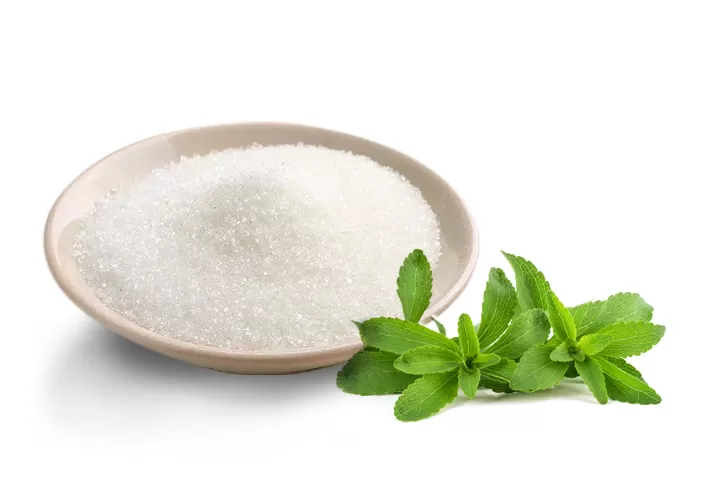
RA means Rebaudioside A, while RM generally refers to Rebaudioside M. GSG is commonly used for total steviol glycosides. These are not interchangeable purity statements. A product called RA 98% is targeting an RA assay; GSG 80% is normally describing the total glycoside content. The two numbers answer different questions about composition.
Before comparing offers, ask for the assay basis (as-is or dry basis), HPLC method, acceptance tolerance, and the chromatographic profile. A one-point difference between RA 97% and RA 98% is meaningful only when both suppliers use comparable methods and report the same basis. This simple check prevents a low-looking quote from becoming an expensive reformulation.
| Requested grade | What it helps you evaluate | Evidence to request |
|---|---|---|
| RA 60% | A less concentrated RA option where dosing room, cost-in-use and flavor balance matter. | RA assay and total glycoside profile, sensory sample, recommended dose and lot COA. |
| RA 97% | A high-RA starting point for compact dosing and a clean, repeatable sweetness target. | HPLC method and tolerance, chromatogram or profile, COA and equal-sweetness trial support. |
| RA 98% | Very high RA concentration when the formulation and dosing system justify the tighter target. | Proof that the 98% figure is comparable with the 97% offer, plus full commercial terms. |
| RM 95% | A different glycoside identity and sweetness curve, often evaluated for a smoother taste direction. | RM identity and assay basis, glycoside profile, sensory guidance, availability and price. |
| GSG 80% | A total-glycoside specification that may provide a broader composition than a single RA grade. | Definition of GSG, component breakdown, method, tolerance and representative COA. |
The matrix is a screening tool, not a substitute for a specification. We confirm the exact requested grade, tolerance and commercial availability in writing before a buyer treats any option as approved.
Our H2-Via stevia extract portfolio is built for formulation teams that need a clear route from plant material to a documented sweetener ingredient. The public stevia product page identifies the extract as derived from Stevia rebaudiana leaves and presents an RA range of 50%-99% together with RM 95% information. That public range is a useful starting point for an RA 60%, RA 97% or RA 98% discussion; it is not a promise that every grade is stocked at every moment.
For GSG 80%, and for any requested RA tolerance, we align the commercial specification with the buyer's application and destination requirements. The quality page and the project file can then be used to confirm the current testing scope, certificates and lot-release documents. This keeps the decision tied to evidence that can travel with the shipment.
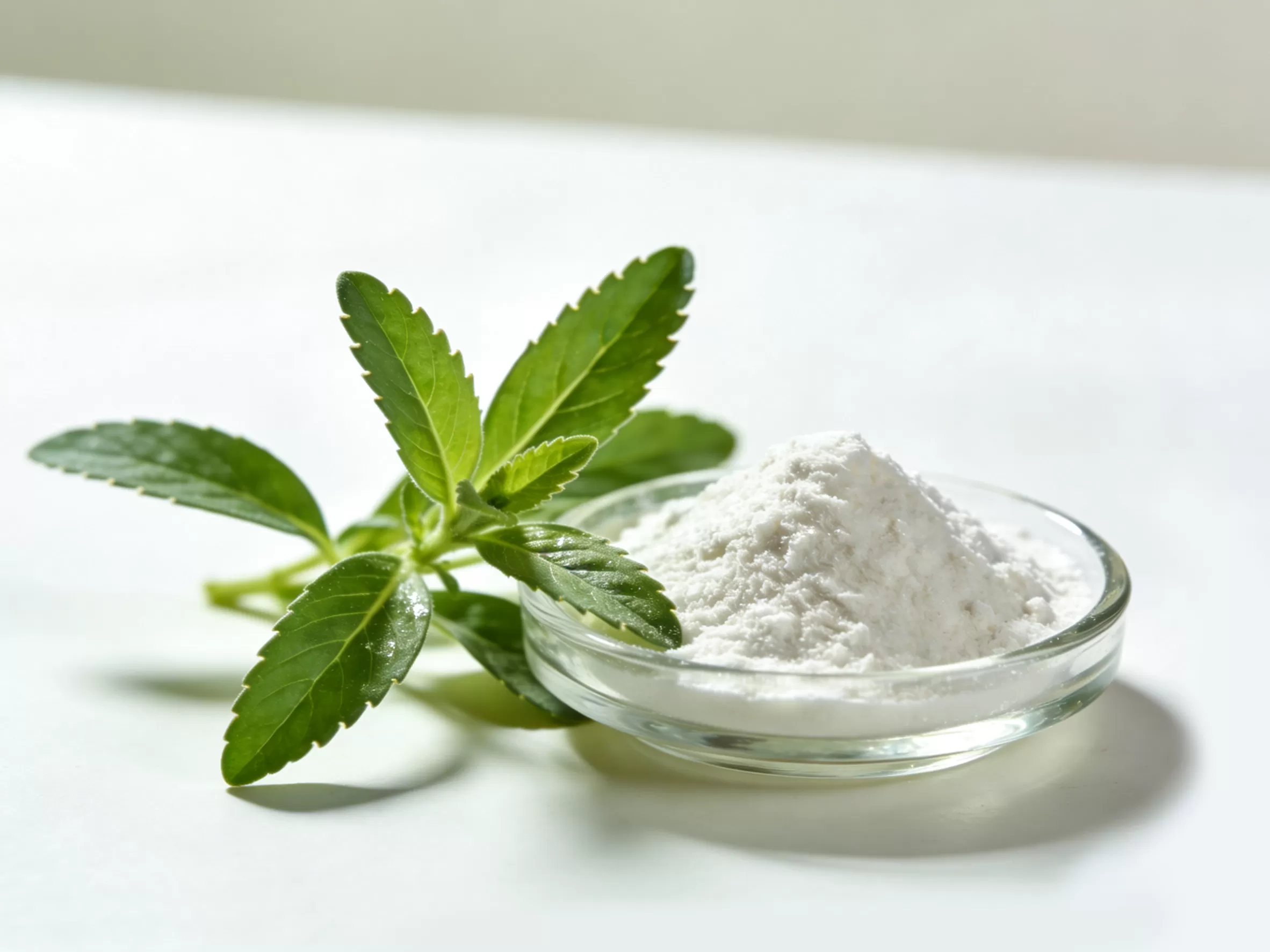
Do not compare powders at the same weight. Prepare each grade to the same perceived sweetness against your control sweetener, then evaluate the finished product. Record the dose required, onset and linger, bitterness, cooling effect, acidity response, and any masking needed. For beverages, check clarity, sediment and hot-fill or pasteurization behavior. For baked goods and confectionery, check bulk, browning, texture and aftertaste after the full process.
Use coded samples and at least one repeat preparation. A grade that tastes better in water may not be the best choice after acids, flavors, proteins, fats or heat are introduced. We can use the buyer's target matrix to recommend a practical sample set rather than sending five unstructured powders.
Stevia extract contributes intense sweetness, but it does not supply the bulk, solids, browning, humectancy or crystallization behavior of sucrose. In a beverage, that may mean adjusting acid, flavor and mouthfeel. In a baked product, a bulking system may be required. In confectionery, solids and texture usually need their own design.
This is why a high-purity grade is not automatically the right upgrade. RA 98% can reduce powder handling at a very low dose, while RA 60% may offer more dosing room. RM 95% may be preferred when the sensory target matters more than a familiar RA benchmark. The right comparison is total formulation cost and finished-product performance.
High-purity extracts can be difficult to weigh accurately in small pilot batches. Use calibrated scales, prepare a validated premix with a suitable carrier, and define a mixing order that prevents segregation. Record the actual active dose, not only the premix weight. At scale, confirm that the same method works across operators and equipment.
Ask us for handling guidance, packaging options and storage conditions for the selected grade. These details are part of supply reliability because a material that is technically compliant but hard to dose consistently can create avoidable batch variation.
Use the same checklist for every grade. It turns “RA 97% versus RA 98%” into a documented technical and commercial comparison instead of a marketing-number contest.
Tell us the grade or grades under consideration, product matrix, target sweetness, expected dose, annual or trial quantity, destination, required documents and decision date. If you are open to alternatives, say which variable is flexible: purity, sensory profile, lead time or cost-in-use.
We will then confirm the available specification, sample plan and commercial assumptions in one reply. Use the Huacheng Bio contact page to start the conversation and request a grade-specific review.
Send your formulation target and required grade. We will match the sample plan and documentation to the decision you need to make.
Contact Huacheng Bio for a grade-specific reviewA reliable stevia program is built on three checks: comparable analytical data, equal-sweetness application trials and lot-level documentation. Once those checks are aligned, the best grade is the one that performs consistently in your product and remains commercially workable.
No. The higher number may help a specific dosing or sensory target, but method comparability, tolerance, taste and cost-in-use decide whether it is better for your formula.
No. GSG generally refers to total steviol glycosides, while RA identifies one glycoside. Request the component profile before treating the grades as alternatives.
Start with the grade that matches your sensory and dosing objective, then include one adjacent benchmark. We can confirm the current specification and propose a focused comparison.
A sample can screen taste and process fit, but approval also requires the current specification, representative COA, release method, supply terms and change-control expectations.
Request the signed specification, assay basis and method, lot COA, technical and safety data, compliance statements, packaging and storage details, MOQ, lead time and quotation validity.







 EN
EN EN
EN CN
CN ES
ES PT
PT SV
SV DE
DE TR
TR FR
FR AR
AR BG
BG HR
HR CS
CS DA
DA NL
NL FI
FI EL
EL HI
HI IT
IT JA
JA KO
KO NO
NO PL
PL RO
RO RU
RU CA
CA TL
TL IW
IW ID
ID LV
LV LT
LT SR
SR SK
SK SL
SL UK
UK VI
VI SQ
SQ ET
ET GL
GL HU
HU MT
MT TH
TH FA
FA AF
AF MS
MS GA
GA BE
BE UZ
UZ