
 EN
EN EN
EN CN
CN ES
ES PT
PT SV
SV DE
DE TR
TR FR
FR AR
AR BG
BG HR
HR CS
CS DA
DA NL
NL FI
FI EL
EL HI
HI IT
IT JA
JA KO
KO NO
NO PL
PL RO
RO RU
RU CA
CA TL
TL IW
IW ID
ID LV
LV LT
LT SR
SR SK
SK SL
SL UK
UK VI
VI SQ
SQ ET
ET GL
GL HU
HU MT
MT TH
TH FA
FA AF
AF MS
MS GA
GA BE
BE UZ
UZ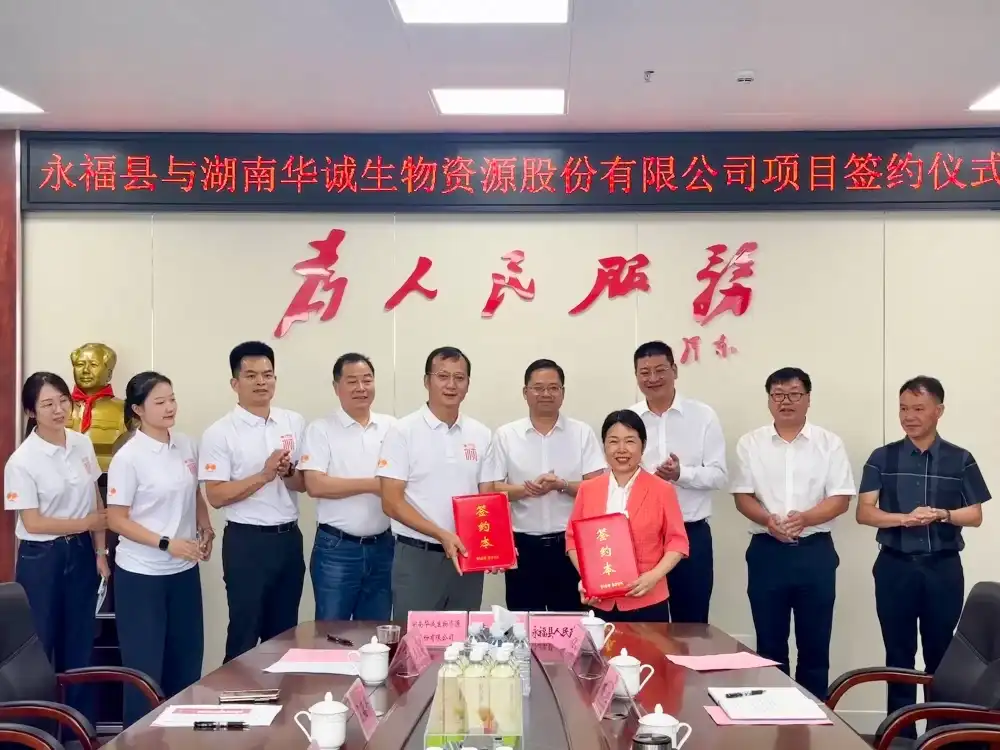
Huacheng Bio: Building Momentum for the Future, Sharing New Beginnings
Huacheng Bio has officially entered a new chapter with the formal establishment of its new...

Aged Ginseng Extract: Root Age Makes the Difference
Most Panax ginseng extracts start with 3‑year roots. That meets baseline label claims. But when your formula targets higher ginsenoside density—say, Rb1 above 2% or a richer minor‑component spectrum—root age plays a bigger role. Aged ginseng (typically 5–6 year roots) naturally accumulates secondary metabolites that younger material never reaches. The challenge has always been sourcing this material without the premium mark‑up that comes with 'wild‑simulated' marketing. Huacheng Biotech approaches it differently: we buy older roots in bulk during peak harvest, extract them under fixed ethanol‑water parameters, and let HPLC data speak. No glossy claims. Just a repeatable powder with a defined ginsenoside fingerprint that suits capsules, tablets, and functional beverages.
Technical Detail
Aged ginseng extract isn't a commodity item. Root age, processing region, and solvent ratio all shift the final profile. At Huacheng Biotech, the process starts with whole roots from Changbai Mountain growers who hold material for 5–6 years before digging. Delaying harvest means more labor overhead for the farmer, so negotiating volume early keeps pricing in the budget range. Once the roots arrive, our extraction line uses an ethanol‑water gradient optimized for Rg1 and Re solubility, then low‑temperature concentration to avoid caramelization. The resulting powder passes through 80 mesh and typically lands around 3–5% total ginsenosides by UV, with a Rb1/Rg1 ratio near 1.2–1.6 depending on lot. Buyers who need tighter ratios can request a custom blend from two validated lots. Each shipment includes a third‑party micro test and a private HPLC chromatogram; we store these by batch so you can compare lots. Huacheng holds FDA, HACCP, GMP, CE, and BRC certifications, and the whole chain—from farm extraction to final milling—stays under our audit. For supplement contract manufacturers and private label brands, that combination of technical traceability and bulk pricing turns aged ginseng from a niche ingredient into something you can scale.
News
Huacheng Bio has officially entered a new chapter with the formal establishment of its new...
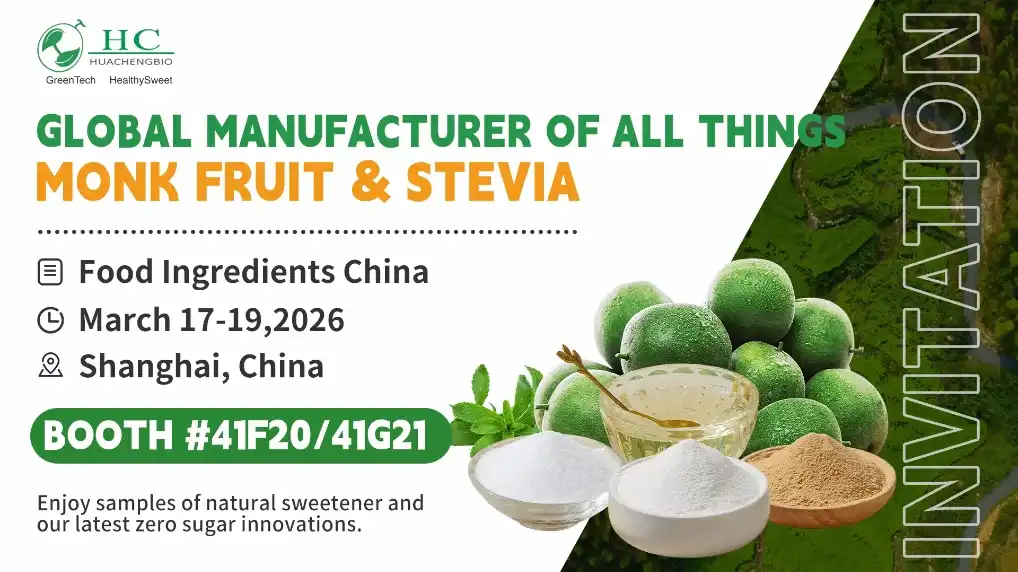
Join Us at Food Ingredients China (FIC) 2026! March 17–19, 2026 Hall 4.1 | Booth...

As a global leader in natural, health‑forward sweetening solutions, we will be present at ...
Products
FAQ
Older roots (5–6 years) generally show higher concentrations of major ginsenosides like Rb1 and Re, along with a broader range of minor ginsenosides. The absolute increase varies by climate and soil, but many formulators use aged material when they want to push a 10% total ginsenoside claim without blending fractions.
Our standard grade runs 3–5% total ginsenosides by UV, with a typical HPLC profile showing Rb1: ~1.2–2.0%, Re: ~0.6–1.2%, Rg1: ~0.3–0.8%. Custom grades up to 10% are achievable by blending root age lots or adding a secondary purification step.
Yes, the powder disperses completely in room-temperature water and forms a clear solution. Heat stability testing shows less than 5% ginsenoside degradation after 30 minutes at 80°C, so it holds up in hot-fill beverages and pasteurization cycles.
The production site operates under FDA registration, HACCP, GMP, CE, and BRC. Each batch is released with a Certificate of Analysis covering heavy metals, microbiology, and ginsenoside content.
Yes. We keep 100g and 500g sealed samples of current production lots in stock. If your timeline is tight, we ship by express; a new-sample request usually gets DHL tracking within two working days after we match the right specification.
Share your product type, target capacity, and application requirements. Our team can review the details and recommend a practical next step.