
 EN
EN EN
EN CN
CN ES
ES PT
PT SV
SV DE
DE TR
TR FR
FR AR
AR BG
BG HR
HR CS
CS DA
DA NL
NL FI
FI EL
EL HI
HI IT
IT JA
JA KO
KO NO
NO PL
PL RO
RO RU
RU CA
CA TL
TL IW
IW ID
ID LV
LV LT
LT SR
SR SK
SK SL
SL UK
UK VI
VI SQ
SQ ET
ET GL
GL HU
HU MT
MT TH
TH FA
FA AF
AF MS
MS GA
GA BE
BE UZ
UZ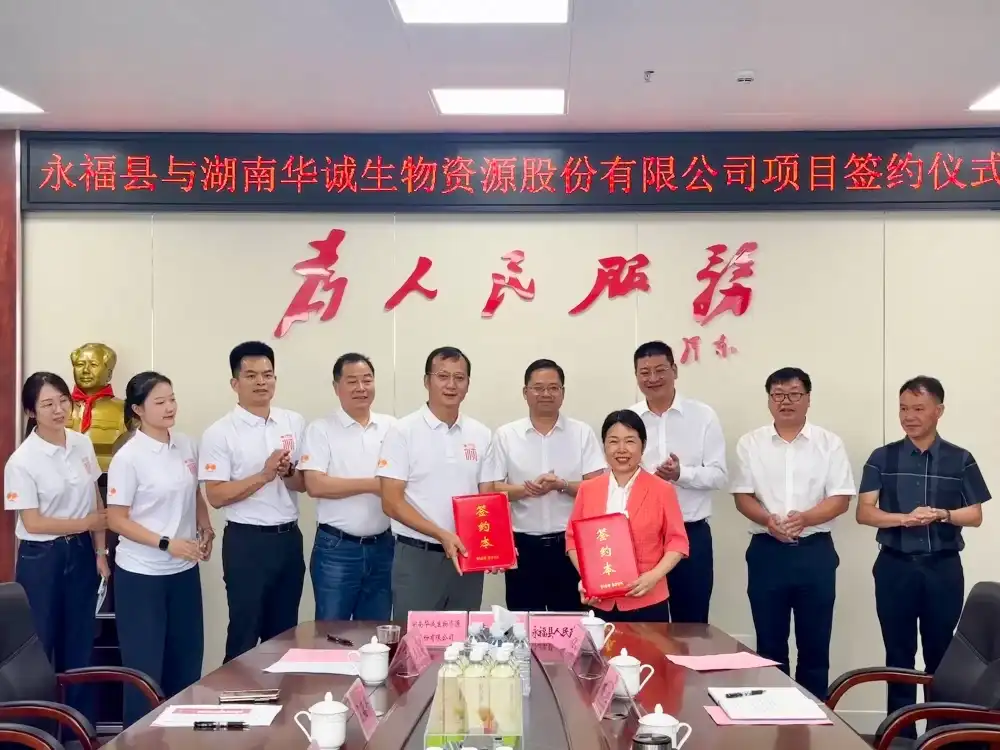
Huacheng Bio: Building Momentum for the Future, Sharing New Beginnings
Huacheng Bio has officially entered a new chapter with the formal establishment of its new...
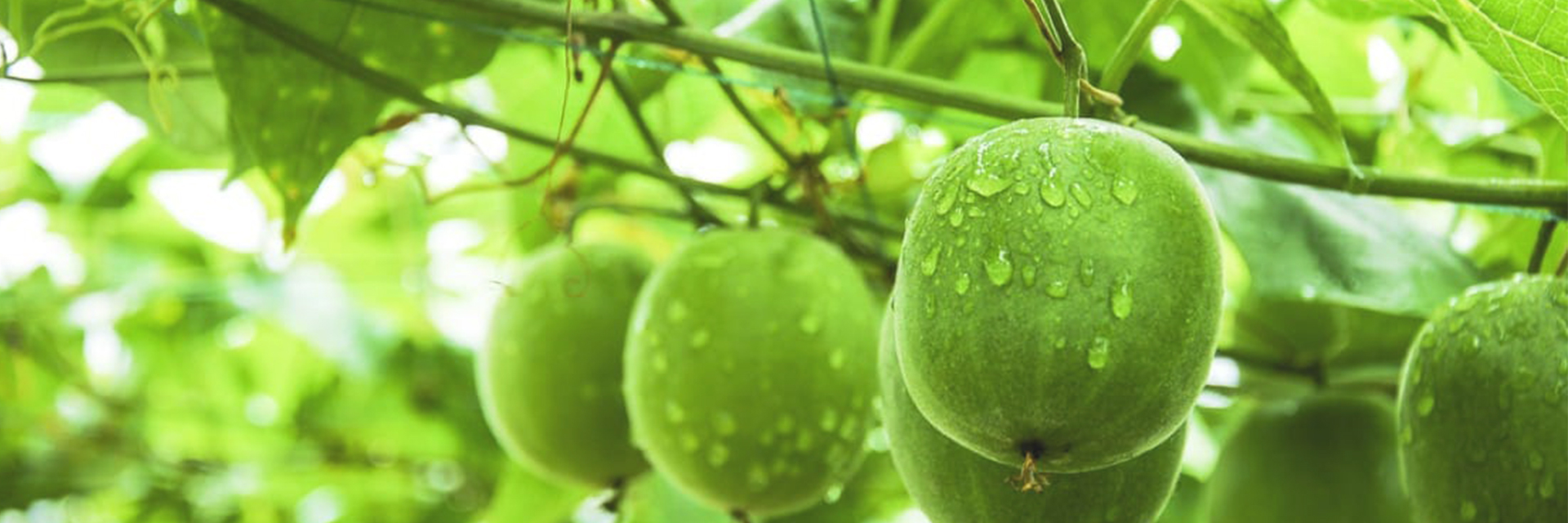
Lo Han Monk Fruit Sweetener: Technical Overview & Supply Chain Edge
Why do some monk fruit sweeteners carry premium prices while others don’t? In many cases, it comes down to the supply chain. Huacheng Biotech grows, extracts, and refines monk fruit under one roof. That vertical integration cuts out middlemen, making the final ingredient more affordable without shortcutting quality. We produce lo han monk fruit sweetener as a standardized extract with consistent mogroside V content – the compound behind the sweetness. The result is a zero-calorie natural sweetener that works in beverages, dairy, and baked goods, even under high heat. For formulators watching both label appeal and cost, this changes the arithmetic.
Technical Detail
Lo han monk fruit sweetener (mogroside extract) sits among the few natural high-intensity sweeteners that don’t carry a bitter aftertaste. The sweet component, mogroside V, ranges from 150 to 300 times sweeter than sucrose, depending on the extraction concentration. Huacheng Biotech delivers the extract as a fine powder, soluble in water, stable in pH 2.5–10, and fully functional at baking temperatures—where some alternatives break down. What sets our supply apart is the industry chain. We manage monk fruit cultivation in Hunan, China, then process the fresh fruit into a highly concentrated extract using water-based extraction and purification steps. No synthetic solvents, no carrier-heavy formulations. This end-to-end control is why we hold certifications like FDA, BRC, HACCP, GMP, and CE—each requiring batch-to-batch consistency and traceability. Cost-wise, that matters. Because we start with our own raw material and refine it in-house, we don’t rely on third-party intermediate traders. The savings pass through the ingredient itself, making lo han monk fruit sweetener viable for products that would normally use polyols or blended sweeteners. Our technical team can adjust the mogroside V percentage—commonly 50%, 80%, 95%—to dial in sweetness and cost per unit of finished product. The goal is to match the target sweetness curve without overpaying for unnecessary purity. Applications span RTD teas, protein shakes, cereal bars, and sugar-free confectionery. Because it pairs well with erythritol or allulose, we often see it used in low-carb and keto-focused foods. The extract doesn’t feed oral bacteria, so it’s tooth-friendly too. For a budget-conscious brand, lo han monk fruit sweetener from Huacheng Biotech offers a way to clean up the ingredient deck while keeping the product affordable.
News
Huacheng Bio has officially entered a new chapter with the formal establishment of its new...
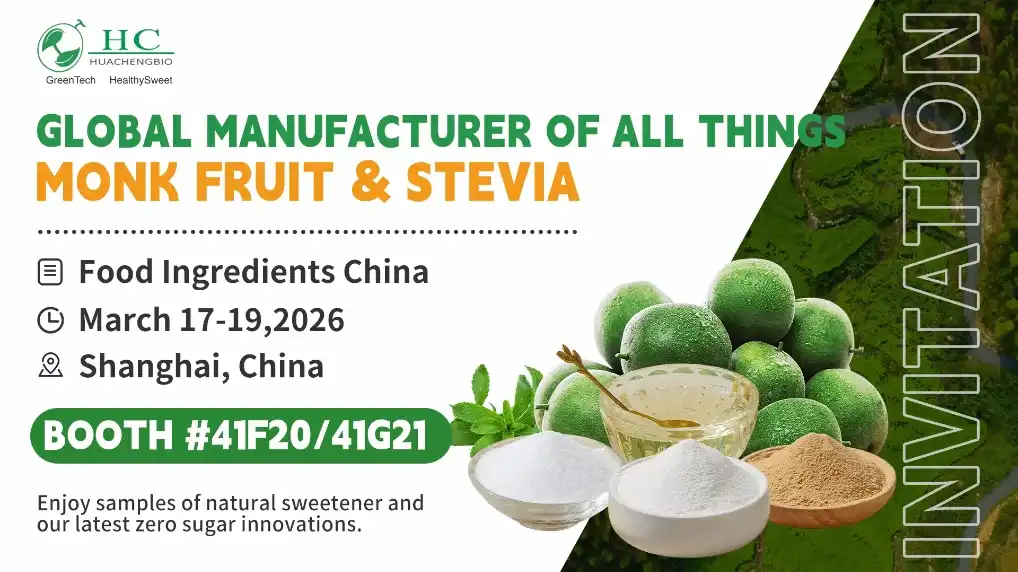
Join Us at Food Ingredients China (FIC) 2026! March 17–19, 2026 Hall 4.1 | Booth...

As a global leader in natural, health‑forward sweetening solutions, we will be present at ...
Products
FAQ
Pure mogroside V can be 150 to 300 times sweeter than sucrose, but the actual sweetness depends on the extract’s concentration. A common specification we supply is 50% mogroside V, which roughly translates to 100–150 times sugar sweetness. We adjust the ratio to hit the right sweetness level and cost for your formula.
Yes, unlike some high-intensity sweeteners that degrade, mogroside V remains stable at baking temperatures (up to around 200°C for typical durations). It also holds up in acidic and near-neutral pH, which makes it practical for baked goods, sauces, and pasteurized beverages.
Our production facility carries FDA registration, BRC Global Food Safety, HACCP, GMP, and CE marking. Each batch is tested for mogroside V content, heavy metals, and microbial limits before release.
In pure bulk cost per sweetness unit, stevia extracts can appear cheaper. But monk fruit offers a cleaner taste profile without the licorice-like aftertaste, often reducing the need for masking agents. When you factor in total formulation cost, monk fruit can be comparable—especially using our integrated supply chain pricing.
We control the crop cycle from our own monk fruit orchards, plus secured grower partnerships. Post-harvest, the fruit is processed into a shelf-stable extract within a short window to lock in quality. This vertical chain helps us avoid the seasonal price spikes common in the commodity sweetener market.
Share your product type, target capacity, and application requirements. Our team can review the details and recommend a practical next step.