
 EN
EN EN
EN CN
CN ES
ES PT
PT SV
SV DE
DE TR
TR FR
FR AR
AR BG
BG HR
HR CS
CS DA
DA NL
NL FI
FI EL
EL HI
HI IT
IT JA
JA KO
KO NO
NO PL
PL RO
RO RU
RU CA
CA TL
TL IW
IW ID
ID LV
LV LT
LT SR
SR SK
SK SL
SL UK
UK VI
VI SQ
SQ ET
ET GL
GL HU
HU MT
MT TH
TH FA
FA AF
AF MS
MS GA
GA BE
BE UZ
UZ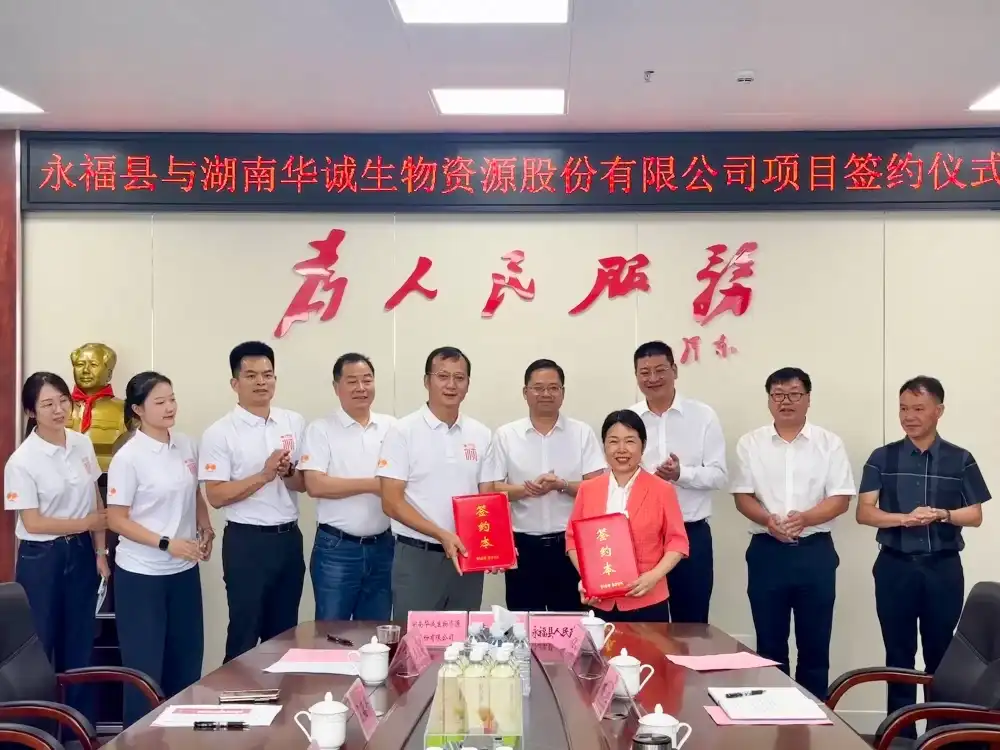
Huacheng Bio: Building Momentum for the Future, Sharing New Beginnings
Huacheng Bio has officially entered a new chapter with the formal establishment of its new...

Baking with Stevia Extract: A Technical Formulation Guide
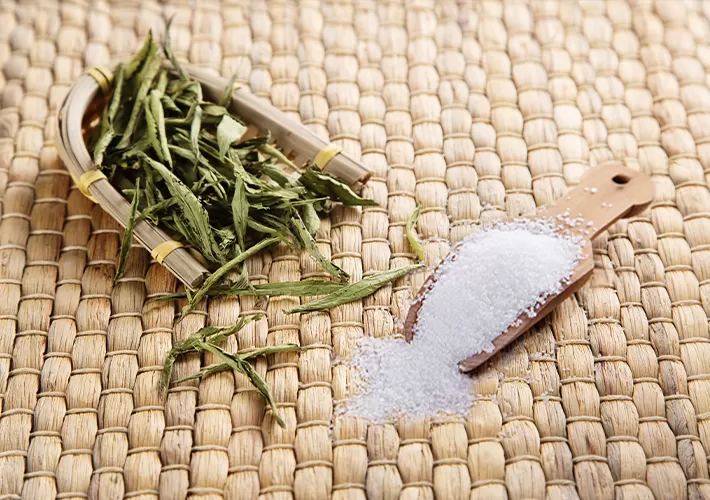
Replacing sugar in baked goods with stevia extract isn't a simple 1:1 swap. The high-intensity sweetener lacks bulk, contributes a lingering aftertaste, and behaves differently under heat. Yet demand for sugar-free, natural bakery items keeps growing. At Hunan Huacheng Biotech, we've spent years helping commercial bakeries overcome these hurdles—not with marketing claims, but with formulation data and pilot-scale trials. Sugar alcohols and fibers often fill the bulk gap, but taste and texture still require fine-tuning. Our team shares practical starting points, from stevia-erythritol blends in cookies to acid-stable formulas for fruit fillings. Whether you're aiming for a clean-label breakfast bar or a keto-friendly cake, understanding the science behind stevia's performance in your oven is the first step. We focus on evidence-based approaches that cut trial time and ingredient costs.
Technical Detail
Formulating bakery products with high-purity stevia extract requires more than a sweetener supplier; it requires a technical partner. Huacheng Biotech's stevia extract (Reb A 95%) is produced under FDA, HACCP, and GMP standards, ensuring batch-to-batch consistency for industrial baking. Our closed-loop supply chain—from leaf sourcing in China to final purification—gives us control over quality and cost, a key advantage for budget-conscious bakeries scaling up sugar-free lines. Stevia's zero-calorie, natural profile aligns with our mission to bring healthy sweeteners to everyone. In practical terms, baking with stevia extract demands attention to thermal stability, pH interactions, and synergies with bulking agents. Heat stability is generally good: reb A remains intact in most baked applications up to 200°C. However, acidic batters (pH below 4.5) can accelerate hydrolysis over long bake times. We often recommend pre-blending with erythritol or maltitol to improve sweetness onset and mouthfeel. For cakes and breads, stevia cannot replicate the Maillard browning or structure that sugar provides; thus, formulation adjustments with fibers, proteins, and enzymes become essential. Our applications team has compiled starter recipes for muffins, brownies, and loaf cakes that achieve a sugar-like experience. Beyond the science, we offer competitive pricing and logistics that fit industrial budgets. With CE and BRC certifications, our stevia extract meets global food safety expectations. Reach out to discuss your specific baking challenge—we'll help you navigate the technical details without overselling the solution.
News
Huacheng Bio has officially entered a new chapter with the formal establishment of its new...

Join Us at Food Ingredients China (FIC) 2026! March 17–19, 2026 Hall 4.1 | Booth...

As a global leader in natural, health‑forward sweetening solutions, we will be present at ...
Products
FAQ
Stevioside and rebaudioside A are stable at baking temperatures up to 200°C. However, acidic batters (pH below 4.5) can accelerate hydrolysis over long bake times. We recommend pilot tests for your specific recipe.
No. Stevia lacks the bulk and chemical properties needed for Maillard browning and structure. To achieve sugar-like texture and color, combine stevia with bulking agents like erythritol, fibers, or maltitol, and adjust leavening agents.
Bitterness masking is achievable through blending with other sweeteners like erythritol or through flavor modulators. Huacheng Biotech's technical team can recommend masking agents and synergy blends based on your base formulation.
Share your product type, target capacity, and application requirements. Our team can review the details and recommend a practical next step.