
 EN
EN EN
EN CN
CN ES
ES PT
PT SV
SV DE
DE TR
TR FR
FR AR
AR BG
BG HR
HR CS
CS DA
DA NL
NL FI
FI EL
EL HI
HI IT
IT JA
JA KO
KO NO
NO PL
PL RO
RO RU
RU CA
CA TL
TL IW
IW ID
ID LV
LV LT
LT SR
SR SK
SK SL
SL UK
UK VI
VI SQ
SQ ET
ET GL
GL HU
HU MT
MT TH
TH FA
FA AF
AF MS
MS GA
GA BE
BE UZ
UZ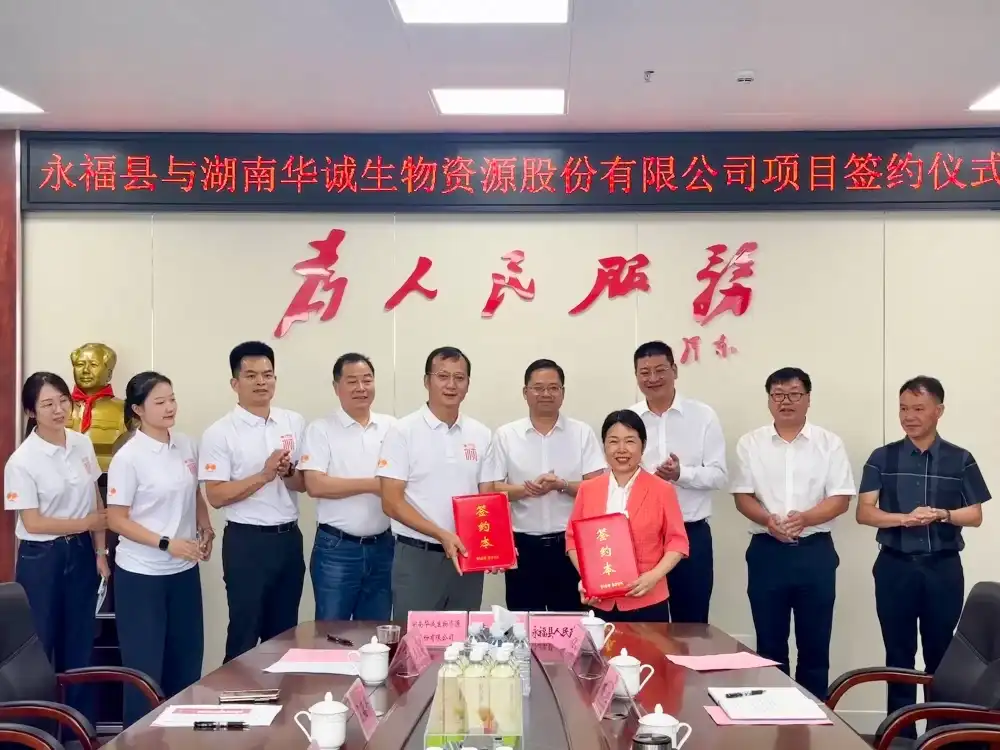
Huacheng Bio: Building Momentum for the Future, Sharing New Beginnings
Huacheng Bio has officially entered a new chapter with the formal establishment of its new...
Ginseng Concentrated Extract: Technical Details for Cost-Effective Formulations
Formulating a functional drink or supplement with ginseng often means wrestling with bitter notes and batch inconsistency. The extract’s ginsenoside profile can swing by double digits if the raw roots aren’t standardized early. Huacheng Biotech runs its own supply chain, handling everything from dried root selection to concentration. That vertical control lets them hit a narrow active range—usually 5% to 30% ginsenosides, ethanol- or water-extracted—without the markup stacked by middlemen. Their labs run HPLC fingerprinting against a reference batch, and the concentrate can ship as liquid or spray-dried powder. For a development team trying to keep ingredient cost under $45 per kg of finished product, that chain cuts enough fat to make a 20% extract feasible where other suppliers would push the quote 30% higher. Not every project needs lab-scale purity; sometimes you just need a repeatable starting material that pours easily into a production schedule.
Technical Detail
Huacheng Biotech supplies ginseng concentrated extract from its own processing line, built around the idea that taking custody of raw material early removes cost and volatility. The team sources Panax ginseng roots, pre-tests moisture and ginsenoside content, then runs a controlled hot-water or ethanol cycle depending on what the end application calls for—water for clear beverages, ethanol when a higher total ginsenoside mark matters. Concentration ratios commonly sit between 5:1 and 20:1, but they adjust to a customer’s target spec instead of selling only off-the-shelf SKUs. A typical powder falls under 5% moisture, mesh size around 80, with a ginsenoside content verified by HPLC against a known standard. Liquid extracts stay stabilized with minimal preservatives; shelf life runs roughly two years when stored cool. The facility operates under a GMP system, with HACCP plans in place and certificates covering FDA, CE, and BRC, so documentation trails are ready for regulatory reviews. Because the company also runs extraction for monk fruit and other botanicals, the overhead of testing labs and QA staff gets shared across lines—something that helps keep unit prices down even when order volumes start small. For brands blending ginseng into energy shots, capsules, or instant teas, the plant can provide granulation or blend premixes to shave off a co-packer step. Samples ship with a certificate of analysis showing the actual batch numbers, not just a generic data sheet.
News
Huacheng Bio has officially entered a new chapter with the formal establishment of its new...
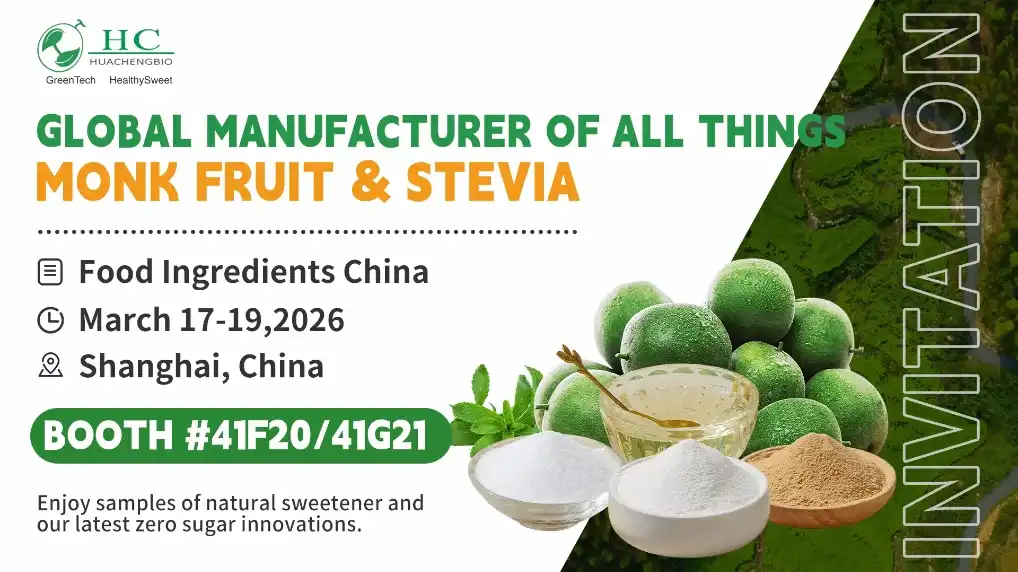
Join Us at Food Ingredients China (FIC) 2026! March 17–19, 2026 Hall 4.1 | Booth...

As a global leader in natural, health‑forward sweetening solutions, we will be present at ...
Products
FAQ
Most orders land between 5% and 30% total ginsenosides, checked by HPLC. Huacheng runs a fingerprint method against a reference standard, so the profile—Rb1, Rg1, Re ratios—stays consistent. They can also report on individual markers if your label needs a specific claim.
Yes, they offer a water-extracted, low-ethanol-residual version that stays clear in solution. If your formula is prone to haze, the team can tinker with concentration temperature and filtration steps to keep clarity stable over shelf life.
Custom concentration runs usually start around 25 kg for powder, a bit higher for liquid due to container efficiency. Huacheng often waives tooling charges on the first production batch if you commit to a rolling forecast, so pilot pricing doesn’t jump too far above the eventual commercial rate.
They qualify incoming root lots with a rapid assay, then blend or hold batches to meet the agreed spec. Each production lot gets a full HPLC check against the reference batch; the COA shows actual ginsenoside percentages, not just a pass/fail mark.
Share your product type, target capacity, and application requirements. Our team can review the details and recommend a practical next step.
Related Keywords