
 EN
EN EN
EN CN
CN ES
ES PT
PT SV
SV DE
DE TR
TR FR
FR AR
AR BG
BG HR
HR CS
CS DA
DA NL
NL FI
FI EL
EL HI
HI IT
IT JA
JA KO
KO NO
NO PL
PL RO
RO RU
RU CA
CA TL
TL IW
IW ID
ID LV
LV LT
LT SR
SR SK
SK SL
SL UK
UK VI
VI SQ
SQ ET
ET GL
GL HU
HU MT
MT TH
TH FA
FA AF
AF MS
MS GA
GA BE
BE UZ
UZ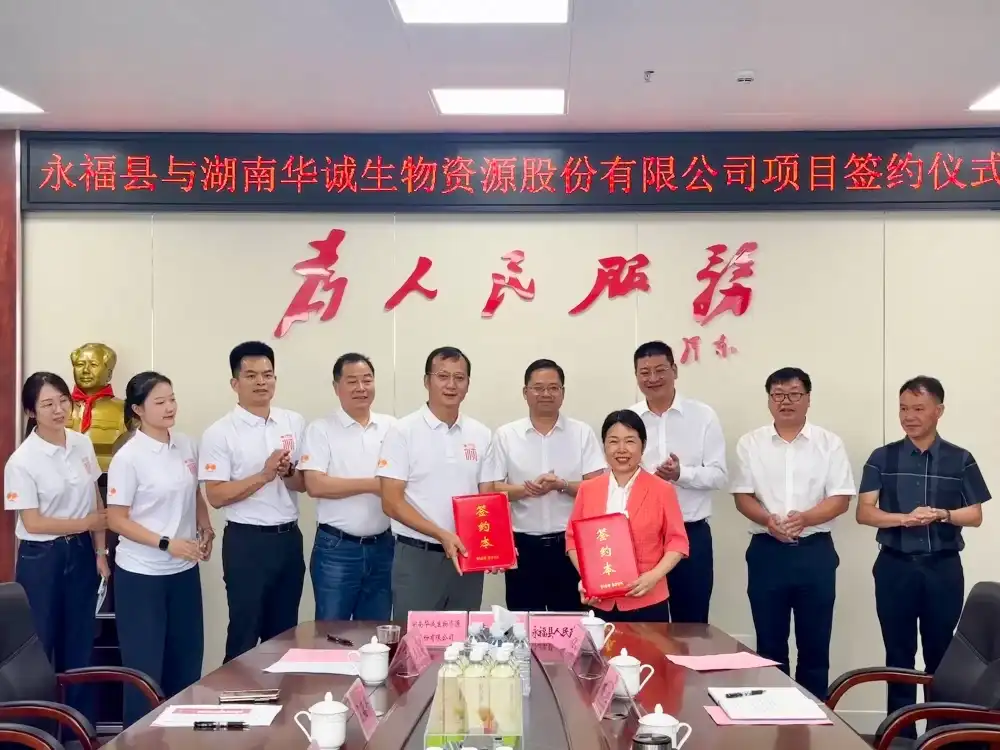
Huacheng Bio: Building Momentum for the Future, Sharing New Beginnings
Huacheng Bio has officially entered a new chapter with the formal establishment of its new...

Ginseng Extract Suppliers Backed by Full Vertical Integration
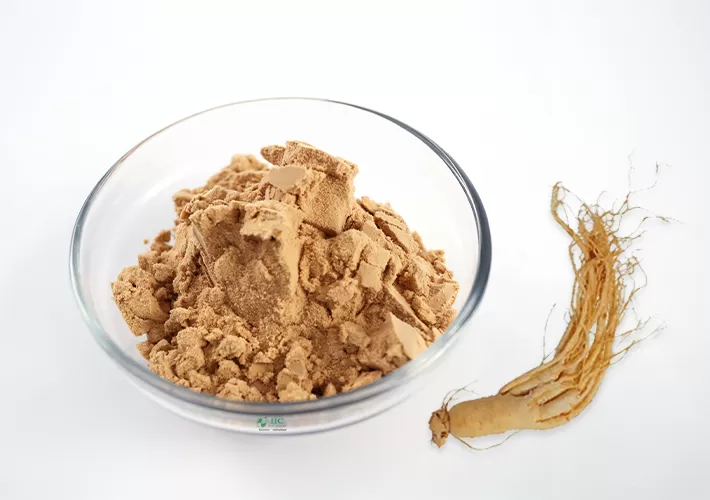
Sourcing ginseng extract that hits both quality and budget marks often means picking one at the expense of the other. Some suppliers cut corners on raw material, others inflate prices with middlemen markups. Hunan Huacheng Biotech takes a different route. The company controls the entire chain—from ginseng root cultivation to extraction and final powder—which strips out extra layers and keeps unit costs predictable. That structure also supports tighter specs on active compounds like ginsenosides, because the team can trace every batch back to a specific field and harvest window. With a technical focus rooted in plant extraction for sweeteners like monk fruit, Huacheng applies the same process rigor to ginseng, relying on in-house labs and standardized protocols rather than third-party blending. FDA, HACCP, GMP, CE, and BRC certifications sit behind the operation, not as badges but as daily operating guidelines. For companies needing consistent ginseng extract in bulk, this setup shifts the conversation from “trust us” to “let’s pull the batch record.”
Technical Detail
When evaluating ginseng extract suppliers, most procurement teams look at three things: raw material control, production capacity, and certification coverage. Huacheng Biotech, a Hunan-based plant extract manufacturer, structures its ginseng extract line around all three. The core advantage is an industry chain model. Rather than sourcing dried roots from traders, the company works directly with planting bases, which means the extraction process begins with known genetics, growing conditions, and harvest timing. That level of oversight helps stabilize ginsenoside profiles—commonly demanded at 5%, 10%, or 20%—without relying on post-extraction blending to meet a spec. On the factory floor, capacity is designed for bulk orders. Multiple extraction lines run in parallel, and the facility handles hundreds of tons of input material monthly, so lead times don’t stretch when order volumes spike. Standard operation follows HACCP and GMP, and the site holds FDA registration and BRC certification. These aren’t just documents; they require routine audits and traceability systems that track every shipment back to raw material lots. For buyers, that means less time verifying supplier claims and more confidence that the ginseng extract arriving at their facility matches the pre-shipment sample. Beyond ginseng, the company’s broader portfolio—including monk fruit extract—signals deep extraction know-how, which translates into cleaner concentrates and lower solvent residues even in water-extracted powders. Pricing reflects the direct chain. Without broker fees and redundant quality checks, Huacheng can offer competitive bulk rates that align with budget-driven sourcing strategies. Minimum order quantities and custom extraction ratios are set on a per-project basis, allowing flexibility for both standard and niche applications. Combined with CE conformity for European markets, the supply base becomes a single point of contact for multi-region distribution. Overall, the technical approach to ginseng extract supply isn’t about listing specs—it’s about engineering repeatability from soil to silo, and that’s what makes the difference when a production line depends on a consistent ingredient flow.
News
Huacheng Bio has officially entered a new chapter with the formal establishment of its new...
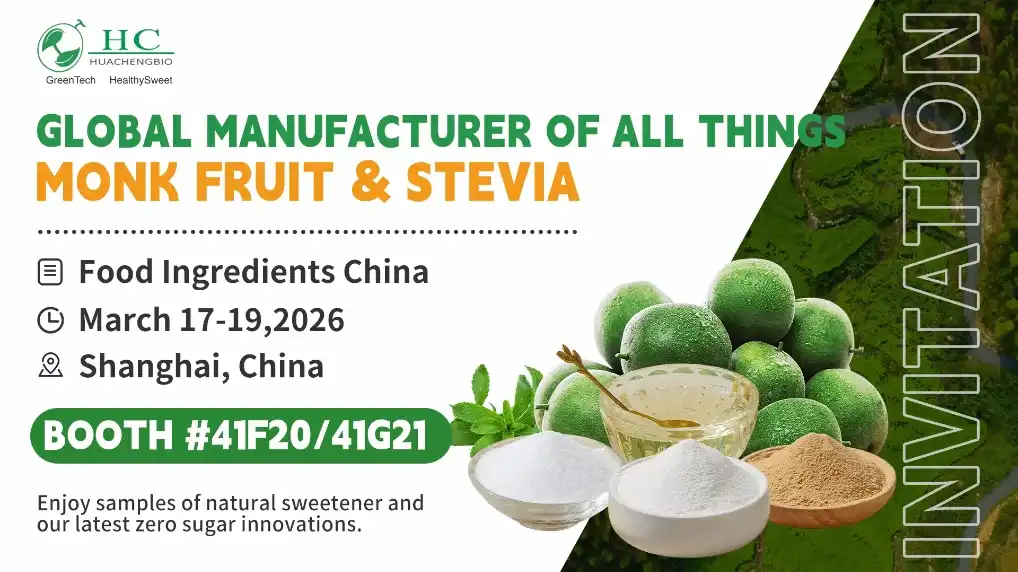
Join Us at Food Ingredients China (FIC) 2026! March 17–19, 2026 Hall 4.1 | Booth...

As a global leader in natural, health‑forward sweetening solutions, we will be present at ...
Products
FAQ
Look for recognized third-party audits that cover food safety and quality management. At a minimum, GMP and HACCP are standard. For US-bound products, FDA registration matters; for Europe, CE compliance helps. BRC certification adds another layer of supply chain traceability. Huacheng Biotech maintains all of these, which means the facility gets inspected regularly, not just on paper.
It starts with raw material. We don’t buy dried roots on the open market. Instead, we work with contracted planting bases where growing conditions and harvest timing are managed. Inside the extraction plant, each batch is processed under fixed parameters—solvent ratio, temperature, cycle time—and tested in our lab before release. We also retain samples from every lot so we can cross-check if a question ever comes up later.
The facility is set up for bulk. Multiple parallel extraction lines and ample raw material storage mean we can process high-tonnage orders on standard lead times. We keep safety stocks of popular ginsenoside grades to absorb spikes, and our logistics team books freight early to avoid port congestion. If your forecast is known, we can pre-schedule runs to make sure the shipment is ready when you need it.
Yes. While we stock common ratios like 5% and 10% ginsenosides, our lab can work with you to develop a custom profile. This usually involves selecting a specific root source, adjusting the extraction process, and setting up dedicated production runs. MOQs for custom orders are higher, but it’s a practical option if your product requires a unique signature.
The main lever is vertical integration. We own the extraction facility, run our own QC, and skip the broker network—so the cost isn’t padded with intermediary margins. Plus, because we process large volumes for multiple plant extracts, our overhead gets spread thin. That lets us offer bulk pricing that matches budget-focused sourcing without hiding quality shortcuts.
Share your product type, target capacity, and application requirements. Our team can review the details and recommend a practical next step.