
 EN
EN EN
EN CN
CN ES
ES PT
PT SV
SV DE
DE TR
TR FR
FR AR
AR BG
BG HR
HR CS
CS DA
DA NL
NL FI
FI EL
EL HI
HI IT
IT JA
JA KO
KO NO
NO PL
PL RO
RO RU
RU CA
CA TL
TL IW
IW ID
ID LV
LV LT
LT SR
SR SK
SK SL
SL UK
UK VI
VI SQ
SQ ET
ET GL
GL HU
HU MT
MT TH
TH FA
FA AF
AF MS
MS GA
GA BE
BE UZ
UZ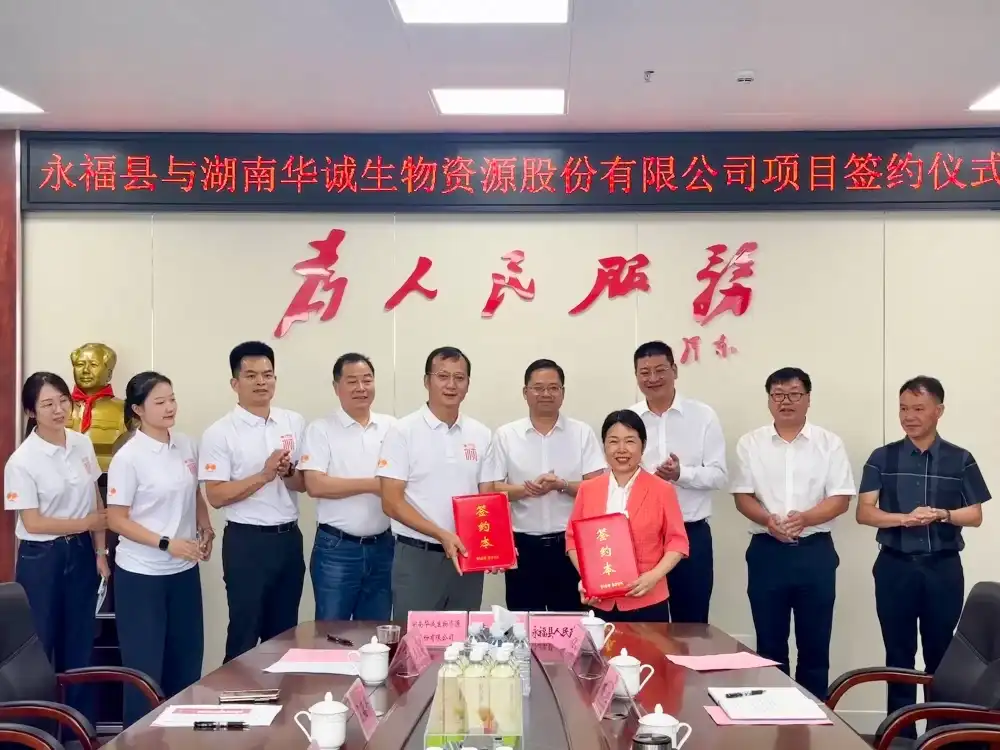
Huacheng Bio: Building Momentum for the Future, Sharing New Beginnings
Huacheng Bio has officially entered a new chapter with the formal establishment of its new...
Liquid Ginseng Extract: How the Supply Chain Shapes Your Cost
Most liquid ginseng extract quotes start high because middlemen take their cut. We saw that pattern when a beverage lab asked us for 500 kg of 80% ginsenoside liquid—the broker price was 40% above what our own production line could deliver. Huacheng Biotech is not a sugar-coating brand; we run monk fruit extraction lines, and the same equipment, same team, handles ginseng when clients ask. That overlap keeps changeover costs low, and you get a liquid ginseng extract that meets standard specs at a number that leaves room in your formulation budget. If you are tired of paying for someone’s reseller margin, this page fills in the technical details without the marketing fuzz.
Technical Detail
We supply liquid ginseng extract as part of our broader plant extract capacity—if you already know Huacheng for monk fruit, stevia, or green coffee extracts, the same QA system applies here. The product is typically a concentrated water- or ethanol-based liquid standardized to common ginsenoside markers (e.g., 10% total ginsenosides by UV or HPLC). By choosing liquid over powder, you skip redissolving steps during blending into functional beverages, shots, or liquid dietary supplements. From a production standpoint, our supply chain matters. We source Panax ginseng directly from established cultivation areas in Northeast China, and extraction happens on a dedicated line we can flex from other root/herb runs—this shared backbone keeps MOQs lower than many dedicated ginseng-only facilities. Certifications like FDA registration, HACCP, GMP, and BRC are already in place across the facility; you are not paying for fresh audits every time you order. Practically, the extract ships in food-grade HDPE drums or IBC totes with standard preservatives if needed. We do not push one-size-fits-all concentrations—some clients need a thinner fluid for cold-fill PET bottles, others want a high-solid syrup for shot formats. Our QA team reviews your target ginsenoside content and viscosity limits before pilot batches. Since we are budget-positioned, we will be the first to tell you if your spec adds unnecessary cost; a few percentage points of purity can double the per-kilo price for negligible label impact. That kind of direct talk is how we keep buyers returning for multiple extract types under one supplier roof.
News
Huacheng Bio has officially entered a new chapter with the formal establishment of its new...
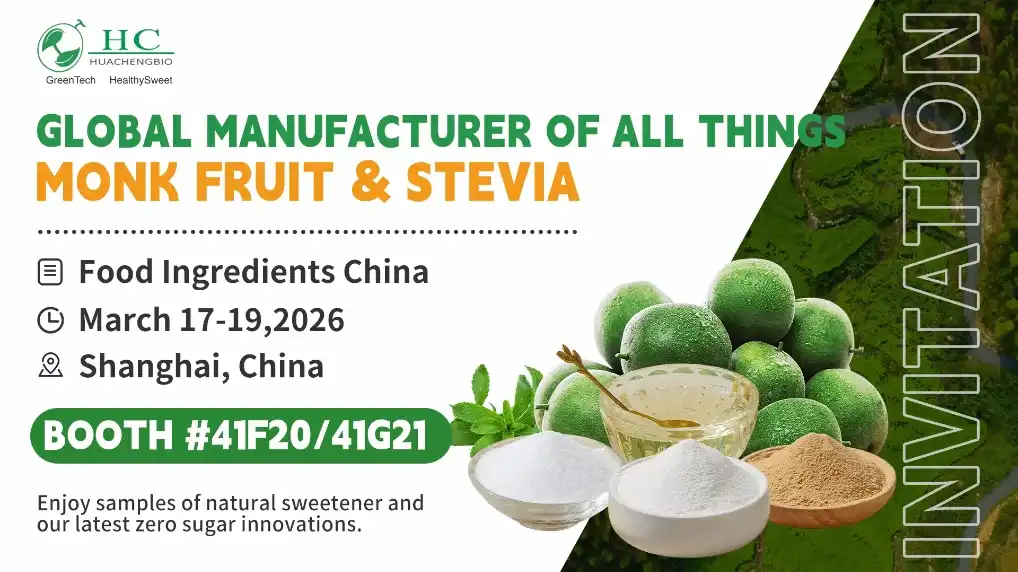
Join Us at Food Ingredients China (FIC) 2026! March 17–19, 2026 Hall 4.1 | Booth...
As a global leader in natural, health‑forward sweetening solutions, we will be present at ...
Products
FAQ
Most orders center around 10% total ginsenosides by UV, which gives a decent cost-to-claim balance. HPLC-specific profiles, like Rb1/Rg1 ratios, can be dialed in if your formula needs it, but the price per kilo rises noticeably.
Yes, if your production line can handle chilled storage and a short shelf life. Otherwise we suggest mild preservation with potassium sorbate or alcohol-based systems. The choice depends on your packaging and distribution chain—let us know the target ambient shelf life and we can match a solution.
For a concentration within our standard range (around 5–20% total ginsenosides), MOQ can be as low as 200 kg. If you need a novel solvent system or a viscosity adjustment, the MOQ may increase to 500 kg to justify the cleaning and line setup time.
Ginseng bitterness is mostly from ginsenosides and some saponins. We cannot remove it completely, but we can supply neutral-tasting base liquids or recommend blending with our monk fruit extract to mask bitterness without adding calories. A 1:3 ratio by sweetness equivalent often works well in shots.
Sure. We provide 100 mL sample bottles charged at a nominal fee that gets deducted from your first order. Include your target specs and we will match the batch as closely as possible to what the production run would look like.
Share your product type, target capacity, and application requirements. Our team can review the details and recommend a practical next step.