
 EN
EN EN
EN CN
CN ES
ES PT
PT SV
SV DE
DE TR
TR FR
FR AR
AR BG
BG HR
HR CS
CS DA
DA NL
NL FI
FI EL
EL HI
HI IT
IT JA
JA KO
KO NO
NO PL
PL RO
RO RU
RU CA
CA TL
TL IW
IW ID
ID LV
LV LT
LT SR
SR SK
SK SL
SL UK
UK VI
VI SQ
SQ ET
ET GL
GL HU
HU MT
MT TH
TH FA
FA AF
AF MS
MS GA
GA BE
BE UZ
UZ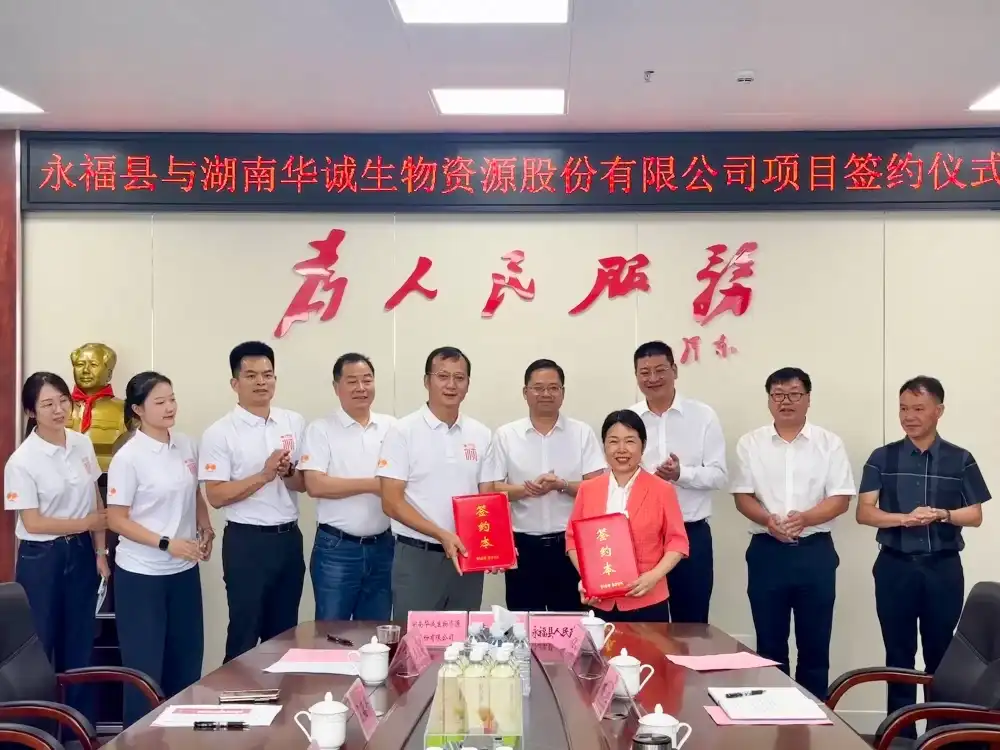
Huacheng Bio: Building Momentum for the Future, Sharing New Beginnings
Huacheng Bio has officially entered a new chapter with the formal establishment of its new...
Monk Fruit Sweetener: Technical Specs and Supply Chain Transparency
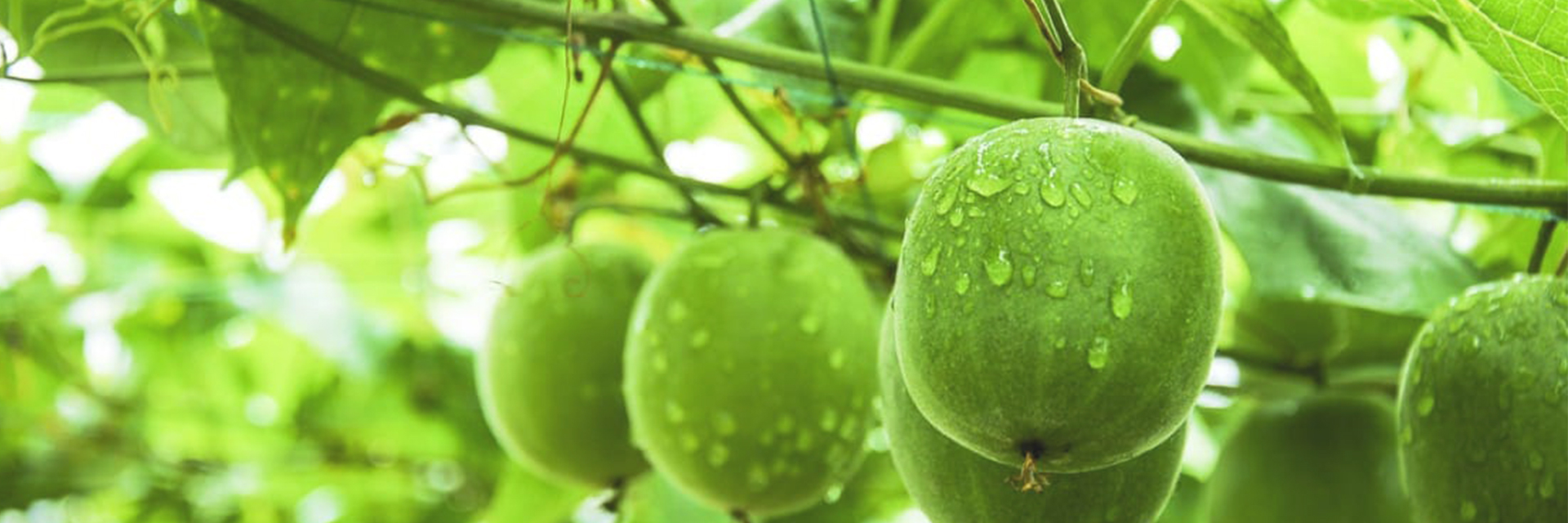
Sourcing monk fruit sweetener that holds up under formulation stress isn't just about the label. At Hunan Huacheng Biotech, we handle everything from fruit to finished extract without outsourcing critical steps. That means you're not paying distributor markups, and the lot-to-lot consistency is something QA can actually verify. The fruit comes directly from contracted growers in monk fruit's native southern China habitats, and extraction happens in facilities audited under BRC and GMP.
Technical Detail
Huacheng's monk fruit sweetener is built on a vertical industry chain that starts with planting bases dedicated to monk fruit cultivation. The team monitors soil conditions and harvest timing, because mogroside content varies week to week -- harvest too early or late, and the V5 conversion yield drops. The crushed fruit moves to our own extraction workshops where water-based processing avoids organic solvent residues, a practical point for clean-label projects. Final powder typically ranges from 50% to 80% mogroside concentration, calibrated for different sweetness replacement ratios. Multiple certifications (FDA, HACCP, CE, BRC) don't just sit in a folder; they're maintained through annual audits you're welcome to trace. For production runs, the in-house chain also helps with lead time control -- no third-party processing bottlenecks. Applications run from beverage and dairy to baked goods where heat-stable sweetness matters. We've also seen interest in blending with oligosaccharides for mouthfeel, and the technical team can discuss suggested TA/sweetness curves if you're prototyping.
News
Huacheng Bio has officially entered a new chapter with the formal establishment of its new...
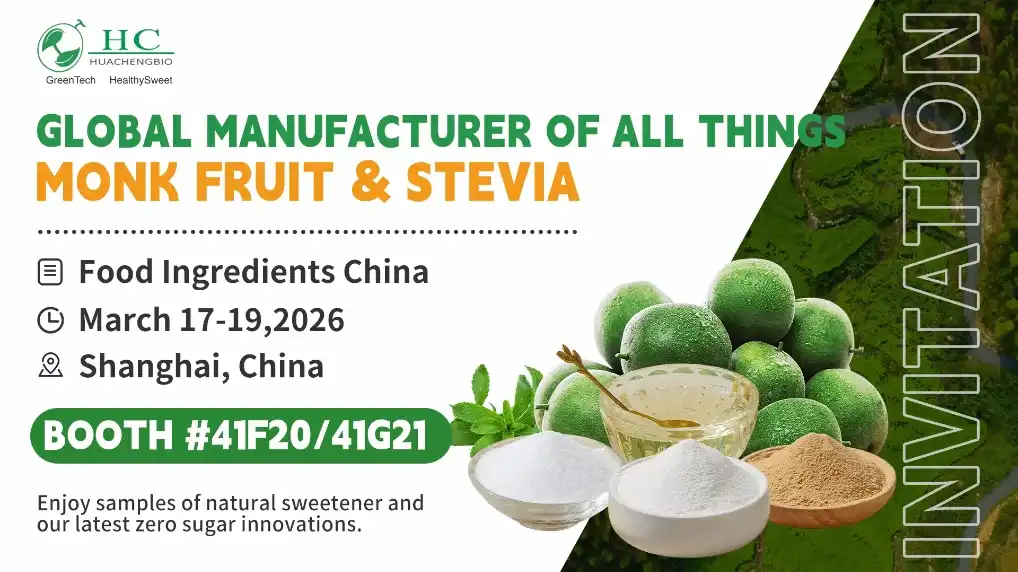
Join Us at Food Ingredients China (FIC) 2026! March 17–19, 2026 Hall 4.1 | Booth...

As a global leader in natural, health‑forward sweetening solutions, we will be present at ...
Products
FAQ
Most supply agreements are based on mogroside V content, either 50% or 80% by HPLC. We can also tailor blends if your formula needs a different sweetness onset or aftertaste adjustment. It's more about the application than a generic spec.
The raw fruit varietal matters, but so does the extraction fraction. By controlling the ratio of mogrosides and removing certain triterpenes during the process, we can hit a cleaner profile. We suggest you request a sample set from two or three production lots to check batch consistency.
BRC, HACCP, and ISO-based GMP are reaudited annually; the latest surveillance reports are usually available to buyers under NDA. FDA registration is active, and we keep current with EC food additive specifications for Europe.
Mogrosides are quite stable at low pH and typical UHT temperatures. We've seen use in cola-type beverages with no measurable degradation over a 12-month shelf simulation. For baking, stability holds past 180°C, but it doesn't provide bulk so you may need a bulking agent.
Share your product type, target capacity, and application requirements. Our team can review the details and recommend a practical next step.