
 EN
EN EN
EN CN
CN ES
ES PT
PT SV
SV DE
DE TR
TR FR
FR AR
AR BG
BG HR
HR CS
CS DA
DA NL
NL FI
FI EL
EL HI
HI IT
IT JA
JA KO
KO NO
NO PL
PL RO
RO RU
RU CA
CA TL
TL IW
IW ID
ID LV
LV LT
LT SR
SR SK
SK SL
SL UK
UK VI
VI SQ
SQ ET
ET GL
GL HU
HU MT
MT TH
TH FA
FA AF
AF MS
MS GA
GA BE
BE UZ
UZ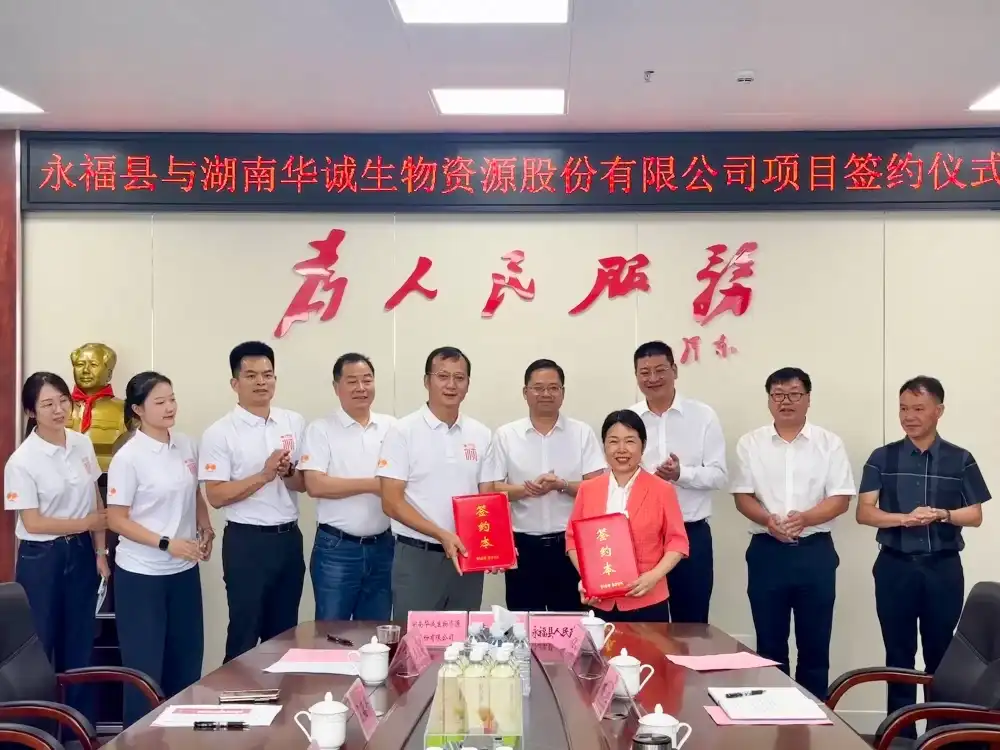
Huacheng Bio: Building Momentum for the Future, Sharing New Beginnings
Huacheng Bio has officially entered a new chapter with the formal establishment of its new...
Monk Fruit Sweetener: Supply Chain Insights & Applications
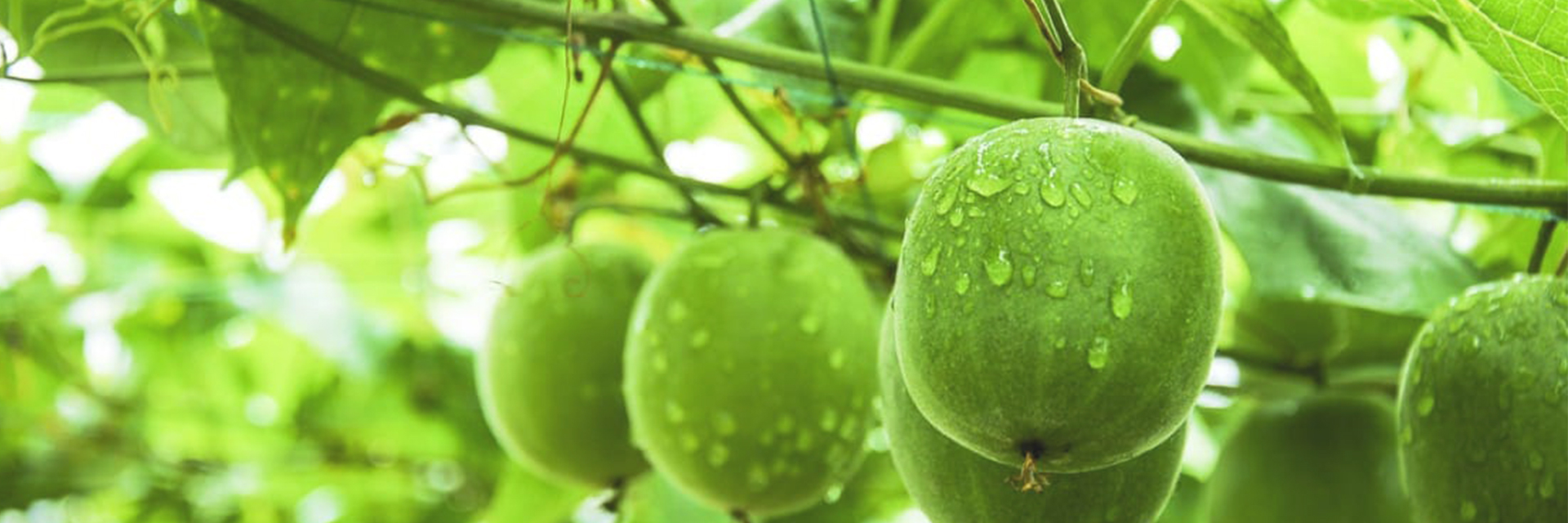
Monk fruit sweetener, extracted from the Siraitia grosvenorii fruit native to southern China, has emerged as a practical, zero-calorie bulk sweetener for food and beverage manufacturers. The sweetness comes largely from mogrosides, particularly mogroside V, which are about 200-300 times sweeter than sucrose but contribute no calories. This makes monk fruit a clean-label alternative to artificial sweeteners. Huacheng Biotech specializes in monk fruit extract, but rather than merely trading, we control much of the upstream chain—from fruit cultivation to extraction and refinement. That vertical integration keeps our pricing accessible, aligning with a budget-conscious procurement strategy. Products are backed by FDA, HACCP, GMP, CE, and BRC certifications, ensuring consistent quality and safety for global markets. Whether you're formulating zero-sugar beverages, protein bars, or tabletop sweeteners, a reliable, cost-stable supply of monk fruit extract can streamline your production planning.
Technical Detail
Monk fruit sweetener, also known as lo han guo extract, is produced by water extraction from the ripe fruit of Siraitia grosvenorii. The active sweetening components are triterpene glycosides, primarily mogroside V. Commercial extracts are standardized to a range of mogroside V content, such as 30% to 50%, though higher purities are available for applications requiring minimal flavor impact. The extract is heat-stable and soluble, making it suitable for a wide array of processed foods and beverages, including carbonated drinks, dairy alternatives, baked goods, and confectionery. Huacheng Biotech has built an internally controlled industry chain covering raw material cultivation, harvesting, processing, and packaging. This integration reduces intermediary costs, which directly benefits buyers seeking budget-friendly monk fruit sweetener. Each batch undergoes testing to meet the specifications required for certifications including FDA GRAS, HACCP, GMP, CE, and BRC. Our focus is on delivering consistent mogroside profiles and low microbial counts, critical for ready-to-drink and other sensitive formulations. The extract is typically supplied as a fine powder with controlled particle size for easy blending, though liquid formats can be arranged. By working directly with our team, product developers can access technical data, sample lots for bench-top trials, and production-scale volumes without the premium usually attached to premium-priced natural sweeteners.
News
Huacheng Bio has officially entered a new chapter with the formal establishment of its new...
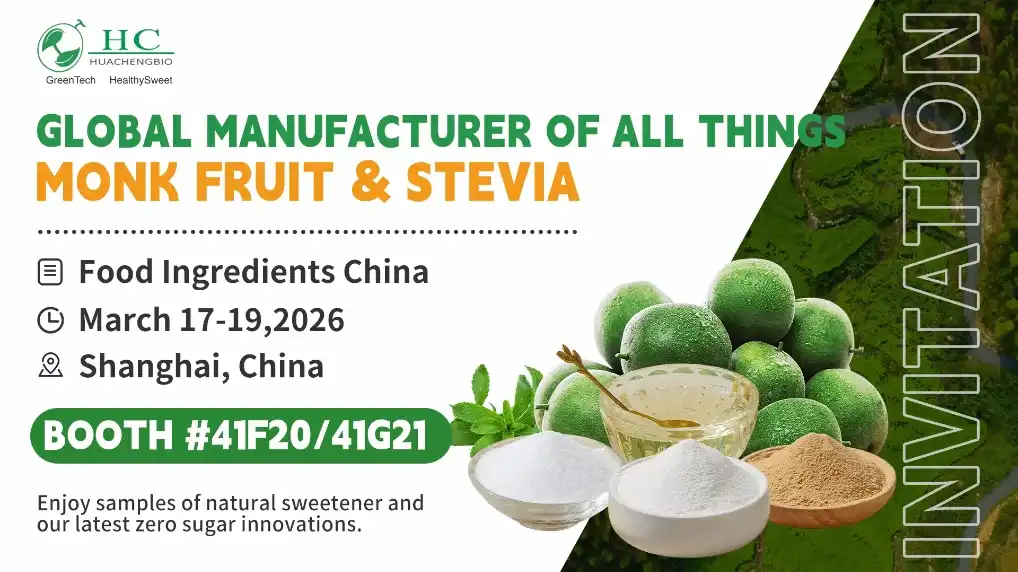
Join Us at Food Ingredients China (FIC) 2026! March 17–19, 2026 Hall 4.1 | Booth...

As a global leader in natural, health‑forward sweetening solutions, we will be present at ...
Products
FAQ
Most standardised extracts contain between 30% and 50% mogroside V. Higher concentrations, such as 60% or more, are available and often used when minimal off-notes are desired. Huacheng provides detailed certificates of analysis for each lot.
By handling cultivation through extraction in-house, we avoid markups from multiple middlemen. This allows us to offer competitive pricing without compromising on certifications such as FDA, HACCP, GMP, CE, and BRC.
Share your product type, target capacity, and application requirements. Our team can review the details and recommend a practical next step.