
 EN
EN EN
EN CN
CN ES
ES PT
PT SV
SV DE
DE TR
TR FR
FR AR
AR BG
BG HR
HR CS
CS DA
DA NL
NL FI
FI EL
EL HI
HI IT
IT JA
JA KO
KO NO
NO PL
PL RO
RO RU
RU CA
CA TL
TL IW
IW ID
ID LV
LV LT
LT SR
SR SK
SK SL
SL UK
UK VI
VI SQ
SQ ET
ET GL
GL HU
HU MT
MT TH
TH FA
FA AF
AF MS
MS GA
GA BE
BE UZ
UZ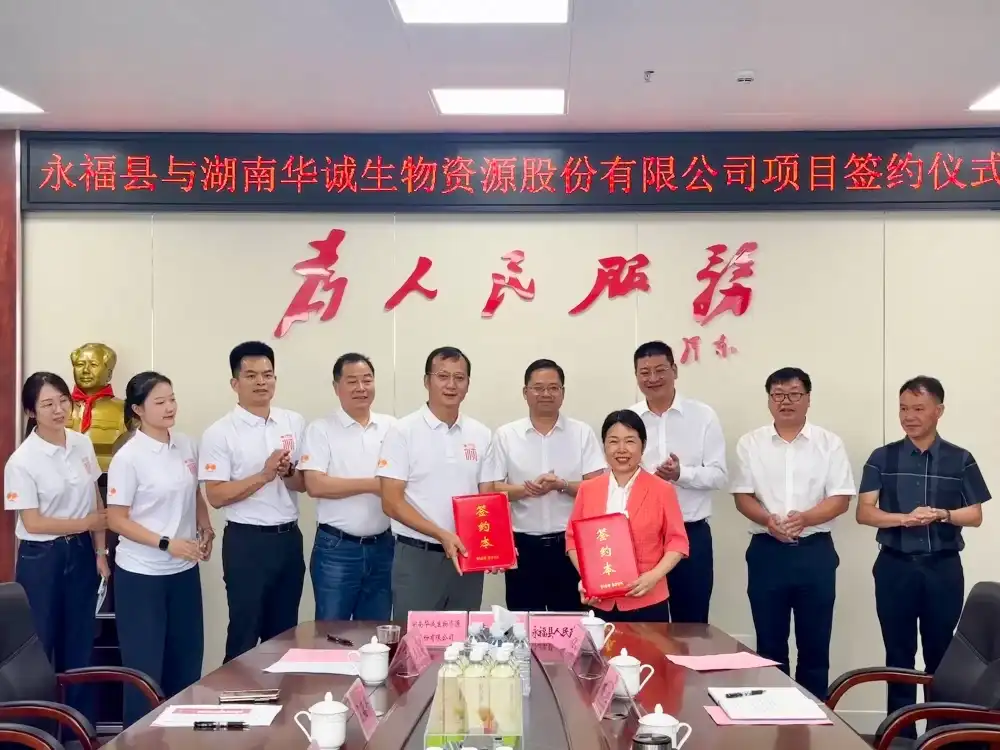
Huacheng Bio: Building Momentum for the Future, Sharing New Beginnings
Huacheng Bio has officially entered a new chapter with the formal establishment of its new...
Powdered Monk Fruit Sweetener: From Extraction to Application
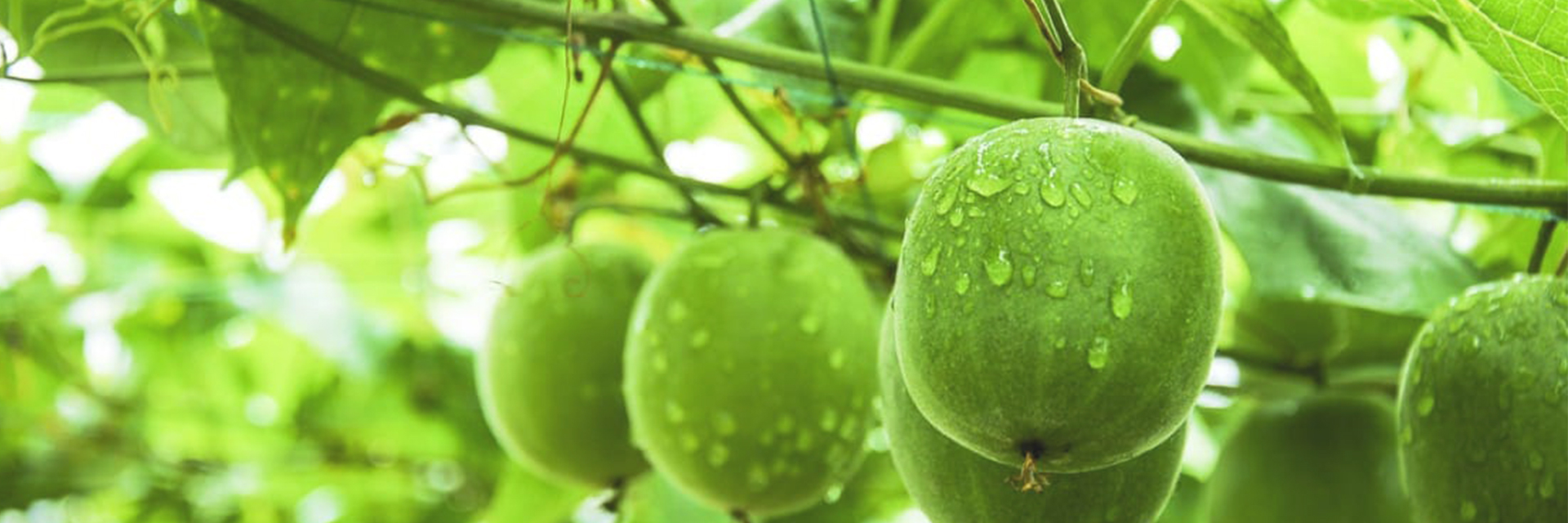
Monk fruit sweetener has moved beyond trend status. As formulators push for cleaner labels without the aftertaste of stevia, the powdered form offers consistency that’s hard to match. Hunan Huacheng Biotech, a plant extract supplier with over a decade in the field, controls the entire chain—from monk fruit cultivation in the hills of southern China to extraction in their FDA/HACCP/GMP/CE/BRC certified facilities. This vertical integration means traceability that third-party resellers rarely provide, and it shapes the technical profile of the powder itself. The result is a free-flowing, low-dust, zero-calorie sweetening agent with a clean dissolution curve. For R&D teams working on low-sugar beverages or baked goods, the particle size and bulk density can be dialed in during processing, reducing downstream mixing headaches. This piece examines what goes into the powder and why supply chain control matters more than the label.
Technical Detail
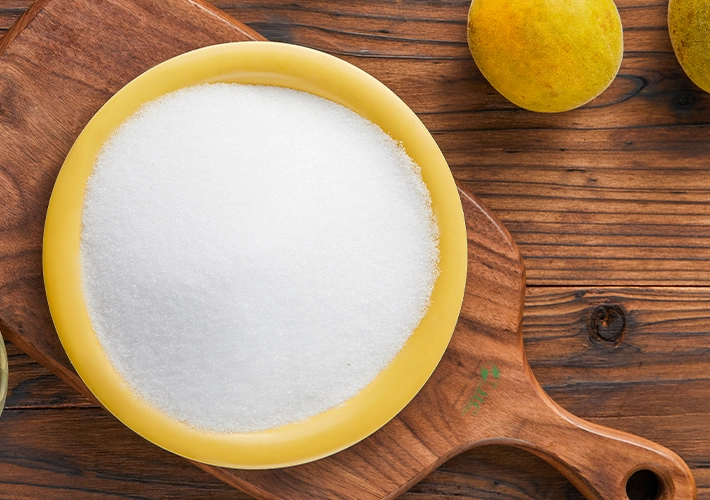
Hunan Huacheng Biotech’s powdered monk fruit sweetener is produced using a water extraction process followed by spray drying, which locks in mogroside V content typically in the 25–50% range. The powder exhibits a fine, uniform granulation (often between 80 and 200 mesh), making it suitable for dry blending without clumping. Its bulk density of around 0.50-0.65 g/mL allows for predictable dosing in sachet or stick pack lines. The off-white to pale-yellow color is standard, though customized particle sizes and densities are available for specific applications. What sets this ingredient apart is not just the spec sheet but the industrial context behind it. The company runs its own monk fruit farms and extraction workshops in Hunan province, which means the raw fruit is processed within hours of harvest—limiting the enzymatic browning and off-notes that can develop during storage. Their BRC and HACCP certifications underscore a focus on batch consistency and heavy metal/pesticide testing at multiple control points. For plant-based protein bars or instant drink mixes, this translates to fewer batch rejections over time. The sweetener finds use across beverages, dairy, confectionery, and even savory sauces where sugar reduction is needed without adding bulk. Because it is 200–250 times sweeter than sucrose, a little goes a long way; mixing with erythritol or allulose is common to achieve a one-to-one sugar replacement in recipes. Huacheng provides blending guidance based on their application lab data, which helps developers avoid the cooling effect or sweetness linger often associated with high-intensity sweeteners.
News
Huacheng Bio has officially entered a new chapter with the formal establishment of its new...

Join Us at Food Ingredients China (FIC) 2026! March 17–19, 2026 Hall 4.1 | Booth...

As a global leader in natural, health‑forward sweetening solutions, we will be present at ...
Products
FAQ
It is standardized by mogroside V content, which we can supply from 25% to 50%. The sweetness intensity scales roughly proportionally, though sensory perception also depends on the application matrix. We recommend requesting a sample to test in your specific recipe.
Yes. Mogrosides are heat-stable up to 200°C, so the powder can be used in baked goods without degradation. The fine particle size also disperses evenly in dry mixes. We often suggest a blend with a bulking agent if you need 1:1 sugar replacement volume.
We typically start at 25 kg for a single SKU. That’s enough for lab-scale and small pilot batches. Larger volumes come with price breaks as you move from drums to pallets.
Yes, our spray-drying parameters can be tuned to shift particle size distribution within a reasonable range. We’ve done customizations for clients whose filling heads were jamming with standard mesh powder. It adds a couple of extra days to production but can be worth it.
We test each batch for mogroside profile via HPLC, residual solvents, heavy metals, and microbiology. Our integrated supply chain means we have full traceability from field to finished powder, and certificates of analysis are provided with every shipment.
Share your product type, target capacity, and application requirements. Our team can review the details and recommend a practical next step.