
 EN
EN EN
EN CN
CN ES
ES PT
PT SV
SV DE
DE TR
TR FR
FR AR
AR BG
BG HR
HR CS
CS DA
DA NL
NL FI
FI EL
EL HI
HI IT
IT JA
JA KO
KO NO
NO PL
PL RO
RO RU
RU CA
CA TL
TL IW
IW ID
ID LV
LV LT
LT SR
SR SK
SK SL
SL UK
UK VI
VI SQ
SQ ET
ET GL
GL HU
HU MT
MT TH
TH FA
FA AF
AF MS
MS GA
GA BE
BE UZ
UZ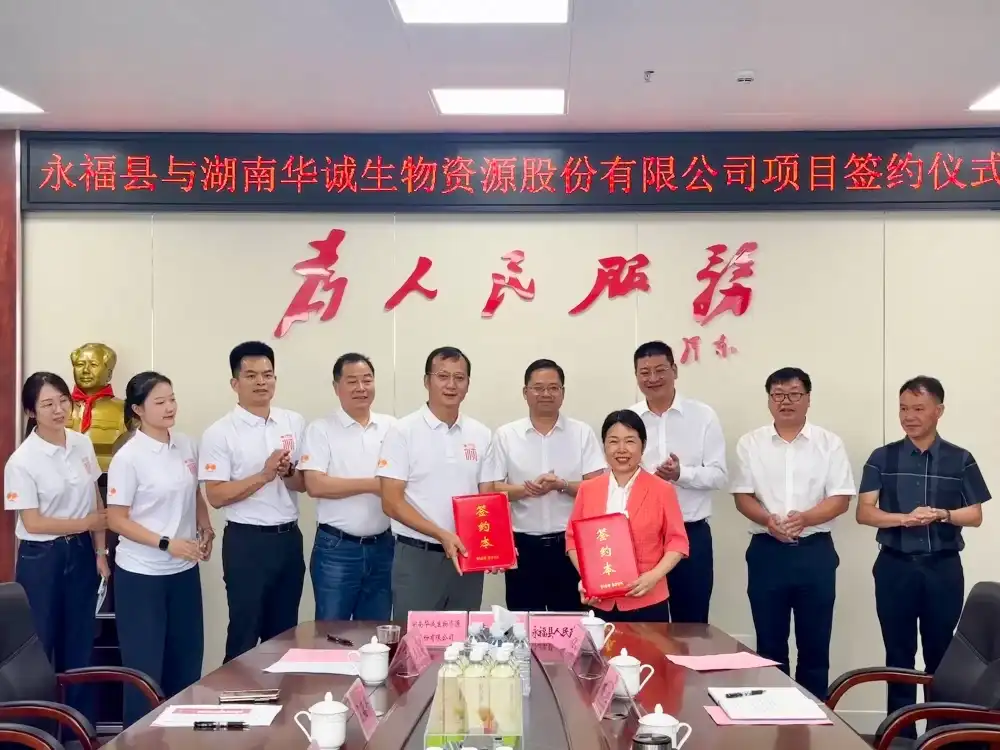
Huacheng Bio: Building Momentum for the Future, Sharing New Beginnings
Huacheng Bio has officially entered a new chapter with the formal establishment of its new...
Monk Fruit Sweetener Substitute: Technical Grade, Zero Calories
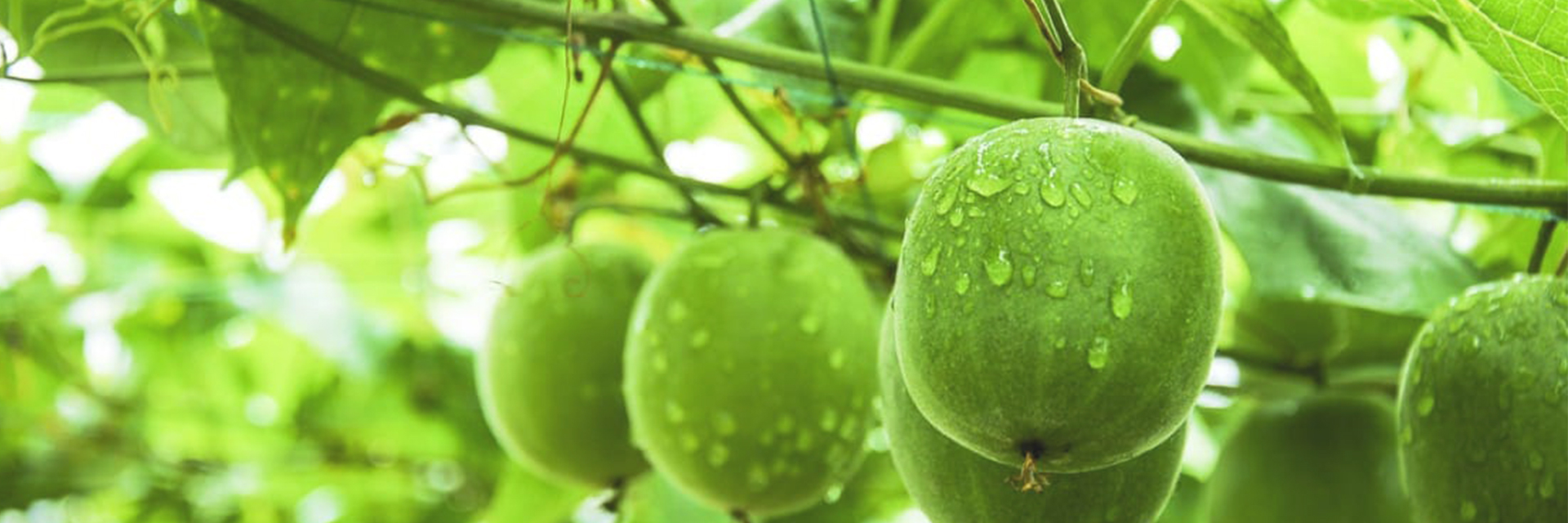
Replacing sugar doesn’t mean sacrificing taste or blowing your budget. Monk fruit extract, standardized to high mogroside concentrations, delivers clean sweetness without calories. At Hunan Huacheng Biotech, we focus on the technical side—ensuring batch-to-batch consistency and competitive pricing through an integrated supply chain. This page explains how our monk fruit sweetener substitute works in real formulations, from beverage to bakery, and why it makes sense for cost-conscious projects.
Technical Detail
Our monk fruit sweetener substitute is derived from Siraitia grosvenorii through water extraction and refined to contain consistent mogroside content, usually between 30% and 50%. The sweetness potency is about 150–200 times that of sugar, meaning a tiny amount does the job. Because we control the full chain—from fruit sourcing to final extraction in our own facilities—we can offer technical-grade material at price points that fit budget-limited developments. The extract is heat-stable, suitable for low-calorie drinks, protein bars, and baked goods. It blends well with erythritol or other bulk sweeteners to round out mouthfeel. For R&D formulators, we provide detailed specs on solubility and pH stability. Hunan Huacheng Biotech holds certifications like HACCP and BRC, ensuring every batch meets safety and quality requirements. Whether you are reformulating a popular beverage or launching a new sugar-free snack, this monk fruit extract gives you label-friendly, zero-calorie sweetness without the premium markup often associated with natural sweeteners.
News
Huacheng Bio has officially entered a new chapter with the formal establishment of its new...
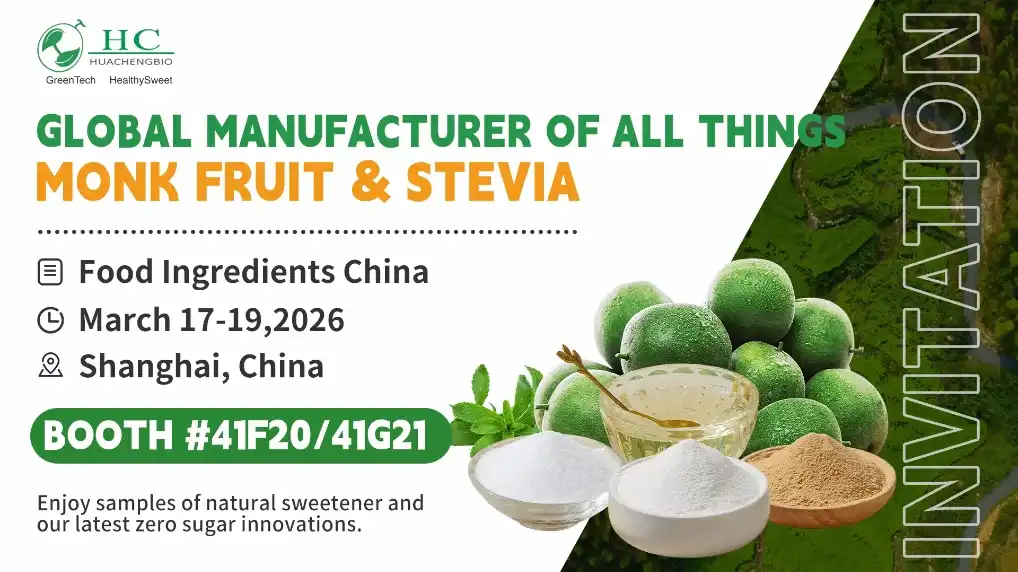
Join Us at Food Ingredients China (FIC) 2026! March 17–19, 2026 Hall 4.1 | Booth...

As a global leader in natural, health‑forward sweetening solutions, we will be present at ...
Products
FAQ
Depending on the mogroside concentration, monk fruit extract is roughly 150–200 times sweeter than sucrose. If you swap 100 g of sugar, you might need only 0.5–0.7 g of a 50% extract. The sweetness onset is slightly slower, but the profile is clean with no lingering bitterness, especially at moderate usage levels.
Yes. Monk fruit extract is heat-stable up to typical baking temperatures. However, because it provides intense sweetness without bulk, you will need to replace the volume and browning function of sugar with other ingredients like fibers or sugar alcohols. It works well in cookies, cakes, and muffins when paired with erythritol or allulose.
Starting from a 50% mogroside product, about 0.01%–0.05% by weight of the finished beverage delivers sweetness equivalent to 5%–10% sugar. Exact usage depends on your target sweetness and other flavor modifiers. We recommend a small-scale trial to dial in the right level.
We manage the entire production chain, from contracting monk fruit farmers in China’s primary growing regions to final extraction. This vertical integration helps control costs and maintain lot-to-lot consistency. Our technical team can supply detailed analytical data, and we hold GMP, BRC, and HACCP certifications, so you get reliable quality at a budget-oriented price.
Monk fruit extract has a glycemic index of zero and does not raise blood glucose. It is widely used in diabetic-friendly and keto products. Because the sweet components are not metabolized for energy, there is no caloric impact either.
Share your product type, target capacity, and application requirements. Our team can review the details and recommend a practical next step.