
 EN
EN EN
EN CN
CN ES
ES PT
PT SV
SV DE
DE TR
TR FR
FR AR
AR BG
BG HR
HR CS
CS DA
DA NL
NL FI
FI EL
EL HI
HI IT
IT JA
JA KO
KO NO
NO PL
PL RO
RO RU
RU CA
CA TL
TL IW
IW ID
ID LV
LV LT
LT SR
SR SK
SK SL
SL UK
UK VI
VI SQ
SQ ET
ET GL
GL HU
HU MT
MT TH
TH FA
FA AF
AF MS
MS GA
GA BE
BE UZ
UZ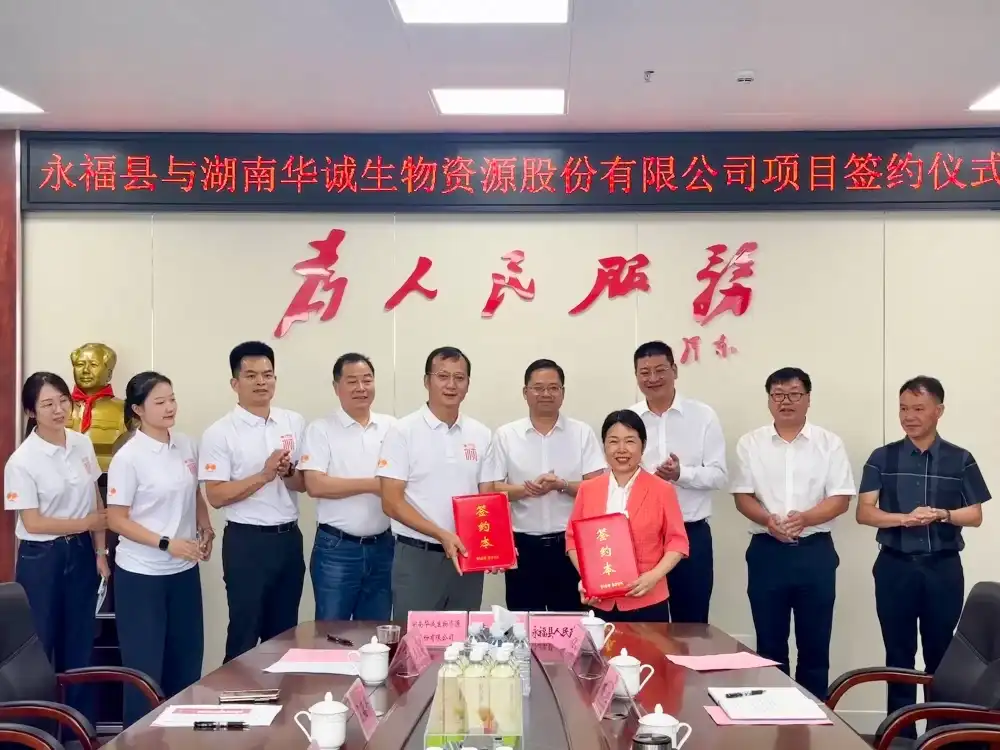
Huacheng Bio: Building Momentum for the Future, Sharing New Beginnings
Huacheng Bio has officially entered a new chapter with the formal establishment of its new...
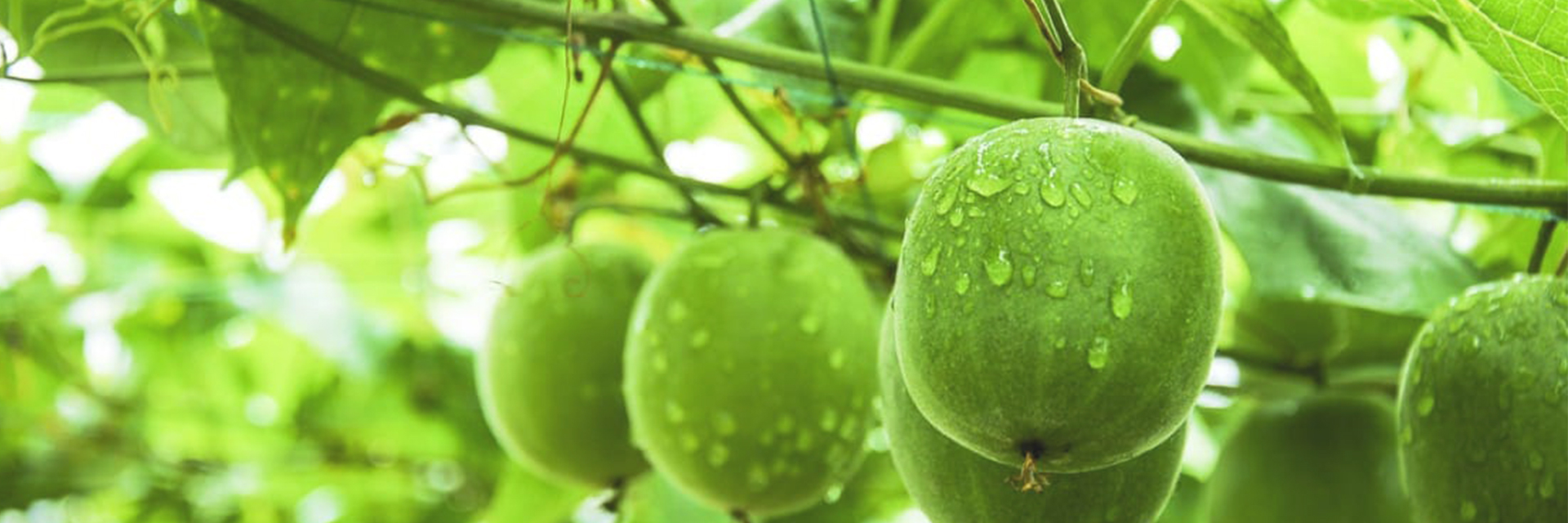
Baking with Monk Fruit Extract: A Technical How-To
Monk fruit extract, rich in mogroside V, delivers 250–300 times the sweetness of sugar without calories. For bakers, this means a chance to slash sugar content while keeping texture and taste intact. But swapping sugar in baking isn't a simple 1:1 replacement. The extract behaves differently under heat, affects browning, and needs bulking agents to compensate for lost volume. Hunan Huacheng Biotech supplies standardized monk fruit extracts that withstand typical baking temperatures up to 200°C, giving formulators room to experiment. This guide walks through practical considerations—from dosing to cost management—using a technical, no-fluff approach suited for commercial kitchens and product developers.
Technical Detail
Hunan Huacheng Biotech, a certified plant extract supplier with FDA, HACCP, GMP, CE, and BRC credentials, offers monk fruit extract tailored for baking applications. Their extracts contain no less than 50% mogroside V, the sweetest compound in monk fruit. Work with a product that stays stable during baking, dissolves clear in batters, and lets you maintain a clean label. The high sweetness factor means you use grams where you once used kilograms, cutting ingredient and shipping costs. For large-scale production, the extract’s consistent potency reduces the guesswork in recipe scaling. The powder form blends easily into dry mixes, dissolves in fat-based systems, and tolerates pH ranges typical of baked goods. In cookies and cakes, monk fruit extract supports browning when paired with small amounts of sugar or molasses, avoiding the pale look associated with high-intensity sweeteners. Because it doesn’t caramelize like sugar, adding a reducing sugar helps achieve the Maillard reaction. The extract’s zero glycemic impact makes it suitable for diabetic-friendly products, and its compatibility with erythritol or allulose helps mimic sugar’s bulk and mouthfeel. Huacheng’s budget positioning means you get competitive per-kilo pricing without sacrificing quality, supported by an industry chain that controls raw materials from China’s monk fruit-producing regions.
News
Huacheng Bio has officially entered a new chapter with the formal establishment of its new...
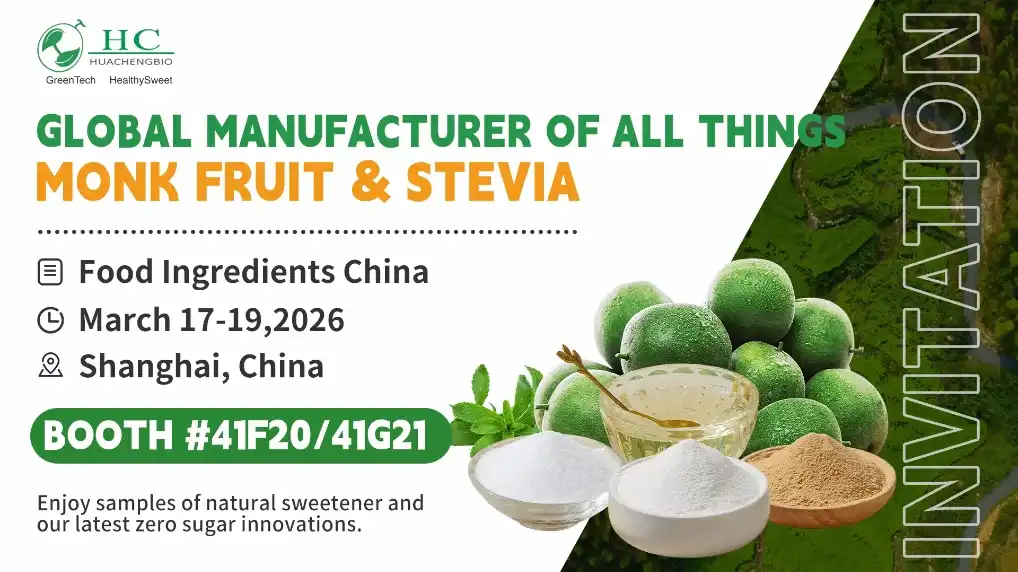
Join Us at Food Ingredients China (FIC) 2026! March 17–19, 2026 Hall 4.1 | Booth...

As a global leader in natural, health‑forward sweetening solutions, we will be present at ...
Products
FAQ
Start by determining the sweetness equivalence of the extract you have. A common specification is 250:1, meaning 1 gram of extract gives the sweetening power of roughly 250 grams of sugar. For a recipe using 100g sugar, you’d use about 0.4g extract. This is a rough guide—actual results depend on the extract’s mogroside V content and the other ingredients’ sweetness contributions. Always test and adjust based on sensory evaluation.
On its own, monk fruit extract does not caramelize or trigger the Maillard reaction since it lacks reducing sugars. Baked goods can turn out pale. To get a deeper color, add a small amount of sugar, molasses, or maltodextrin into the formulation. Some bakers brush the surface with milk or egg wash before baking.
Erythritol and allulose are common partners. Erythritol provides bulk and contributes some sweetness, while allulose mimics sugar’s browning and moisture retention. Inulin or polydextrose can also add fiber and improve crumb structure. The exact blend depends on your target calorie profile and mouthfeel goals.
Mogroside V stays stable at typical baking temperatures up to about 200°C. Even during prolonged exposure, the sweetness intensity doesn’t degrade significantly. However, very high temperatures or extreme pH can affect stability, so conduct a pilot test if your bake exceeds 230°C.
Although the per-kilogram price of monk fruit extract is higher, its immense sweetness means you use very little. In a finished loaf or cookie, the extract cost can be comparable to or lower than sugar when you factor in reduced storage and transport costs. Huacheng Biotech’s budget-focused supply can lower this barrier further for large orders.
Share your product type, target capacity, and application requirements. Our team can review the details and recommend a practical next step.