
 EN
EN EN
EN CN
CN ES
ES PT
PT SV
SV DE
DE TR
TR FR
FR AR
AR BG
BG HR
HR CS
CS DA
DA NL
NL FI
FI EL
EL HI
HI IT
IT JA
JA KO
KO NO
NO PL
PL RO
RO RU
RU CA
CA TL
TL IW
IW ID
ID LV
LV LT
LT SR
SR SK
SK SL
SL UK
UK VI
VI SQ
SQ ET
ET GL
GL HU
HU MT
MT TH
TH FA
FA AF
AF MS
MS GA
GA BE
BE UZ
UZ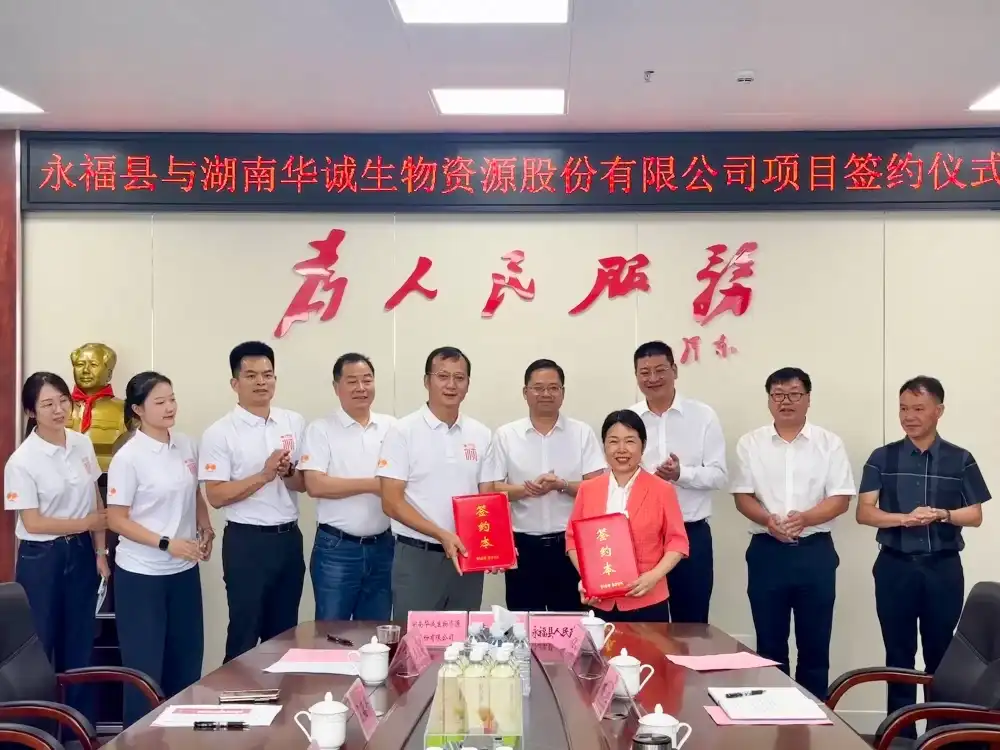
Huacheng Bio: Building Momentum for the Future, Sharing New Beginnings
Huacheng Bio has officially entered a new chapter with the formal establishment of its new...
Best Sweet Tea Extract for Cost-Effective Formulations
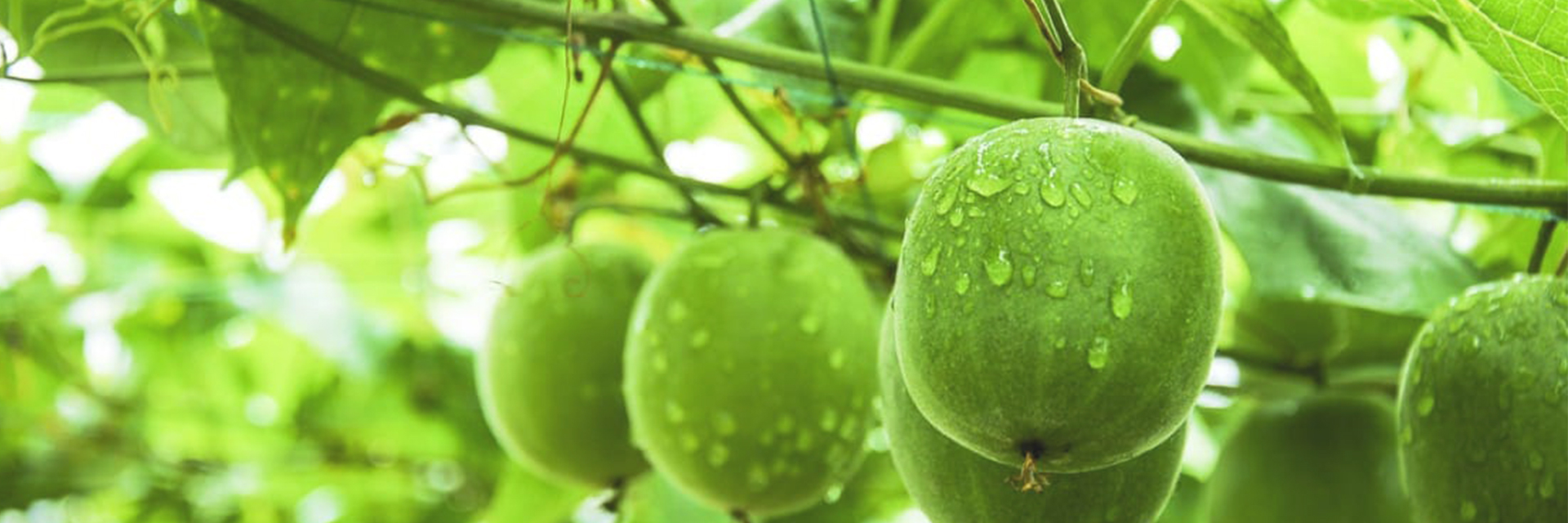
When sourcing sweet tea extract, price often overshadows quality—until a batch fails QC. Hunan Huacheng Biotech closes this gap by applying a full industry chain model to a botanically authentic extract, targeting formulators who need tight cost control without cutting corners. The team runs extraction from raw sweet tea leaves (Rubus suavissimus) grown in South China, keeping oversight from farm to spray-dried powder. This vertical integration trims middle steps, so you get consistent rubusoside content and microbiological cleanliness at a budget tier that suits large-scale beverages, dairy, or tabletop sweeteners. Independent labs put rubusoside purity in the range commonly accepted for clean-label blending, while the powder dissolves at ambient temperature without haze—practical details that matter in a 24-hour production line. Technical buyers often ask about bitterness: the extract’s natural flavor profile is milder than many polyol blends, and co-processing options can further soften aftertaste for sensitive applications.
Technical Detail
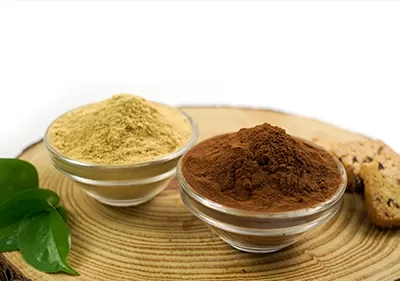
Sweet tea extract from Hunan Huacheng Biotech is built around straightforward technical benchmarks, not marketing fluff. The extract contains rubusoside as the primary sweet compound, with a sweetness onset that is slightly delayed yet cleaner in finish compared to some steviol glycoside mixes—an observation shared by formulation chemists working on tea beverages and protein shakes. Standard powder specs land at 80% to 95% rubusoside, tested by HPLC, though the team also provides lower-content grades for cost-sensitive projects. The extraction uses water and ethanol, followed by membrane concentration and spray drying, a route that avoids solvent residues flagged by EU import checks. Physical stability in acidic systems (pH 3.0–4.5) holds up through typical pasteurization cycles, a detail frequently checked by RTD tea and juice developers. Micro counts sit comfortably under 1,000 CFU/g with yeast and mold below 100 CFU/g, backed by the plant’s BRC, HACCP, and GMP certifications. Lead time from order confirmation to FOB shipment averages four weeks for standard grades, with the option to adjust particle size for instant dispersibility. Because Huacheng operates its own plantation partnerships and extraction workshops, the cost per kilo does not carry the premium of multi-tier distribution—an edge for buyers purchasing 100-kilo-plus quantities quarterly. Ask for residual solvent reports, sieve analysis, or rubusoside chromatograms; these are released with every batch, not buried behind an NDA.
News
Huacheng Bio has officially entered a new chapter with the formal establishment of its new...

Join Us at Food Ingredients China (FIC) 2026! March 17–19, 2026 Hall 4.1 | Booth...

As a global leader in natural, health‑forward sweetening solutions, we will be present at ...
Products
FAQ
Rubusoside, a steviol glycoside analogue sourced from Rubus suavissimus leaves. Our HPLC-verified content ranges from 80% to 95%, providing a clean sweetness profile suited for beverages and dairy.
The extract is produced under BRC, HACCP, GMP, and CE certification scopes, with FDA registration for U.S. imports. Micro counts are consistently below 1,000 CFU/g, and every batch includes residual solvent and chromatogram reports.
Standard grades ship within four weeks from order confirmation to FOB port. We can accommodate urgent requests; ask your account manager for current production slots.
Ownership of plantation partnerships and extraction workshops removes distributor mark-ups, allowing budget-tier pricing even at 100-kilo-plus volumes. Vertical integration also ensures tighter batch consistency.
Yes. The powder exhibits stable solubility at pH 3.0-4.5 after typical pasteurization, with no haze in clear applications. We can also adjust particle size for instant dispersibility.
Share your product type, target capacity, and application requirements. Our team can review the details and recommend a practical next step.