
 EN
EN EN
EN CN
CN ES
ES PT
PT SV
SV DE
DE TR
TR FR
FR AR
AR BG
BG HR
HR CS
CS DA
DA NL
NL FI
FI EL
EL HI
HI IT
IT JA
JA KO
KO NO
NO PL
PL RO
RO RU
RU CA
CA TL
TL IW
IW ID
ID LV
LV LT
LT SR
SR SK
SK SL
SL UK
UK VI
VI SQ
SQ ET
ET GL
GL HU
HU MT
MT TH
TH FA
FA AF
AF MS
MS GA
GA BE
BE UZ
UZ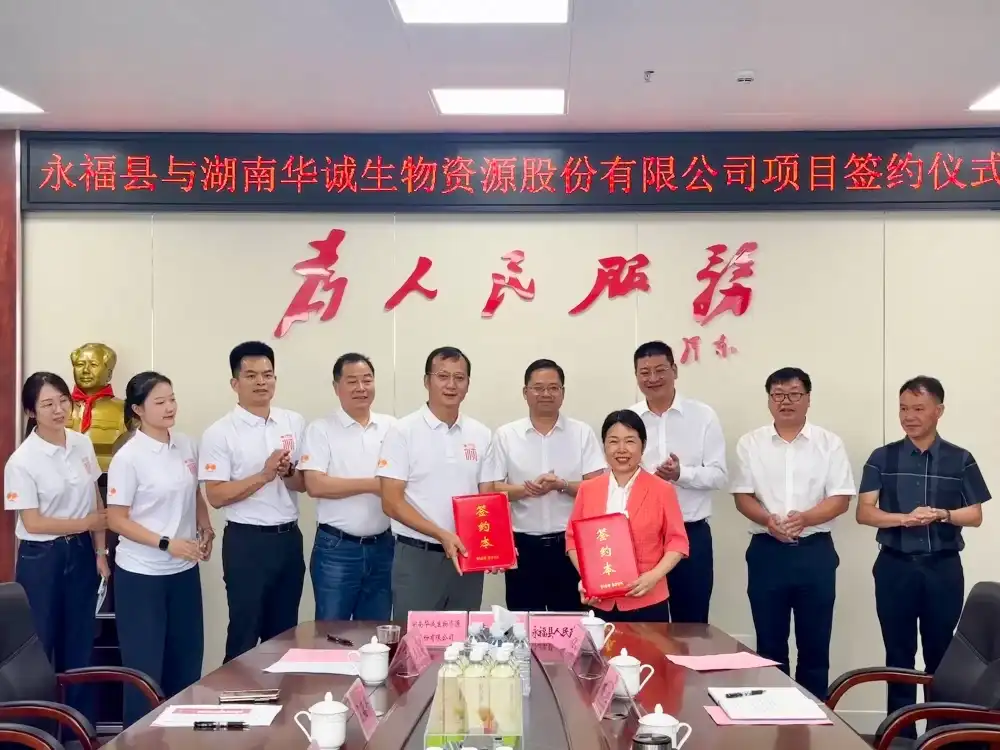
Huacheng Bio: Building Momentum for the Future, Sharing New Beginnings
Huacheng Bio has officially entered a new chapter with the formal establishment of its new...
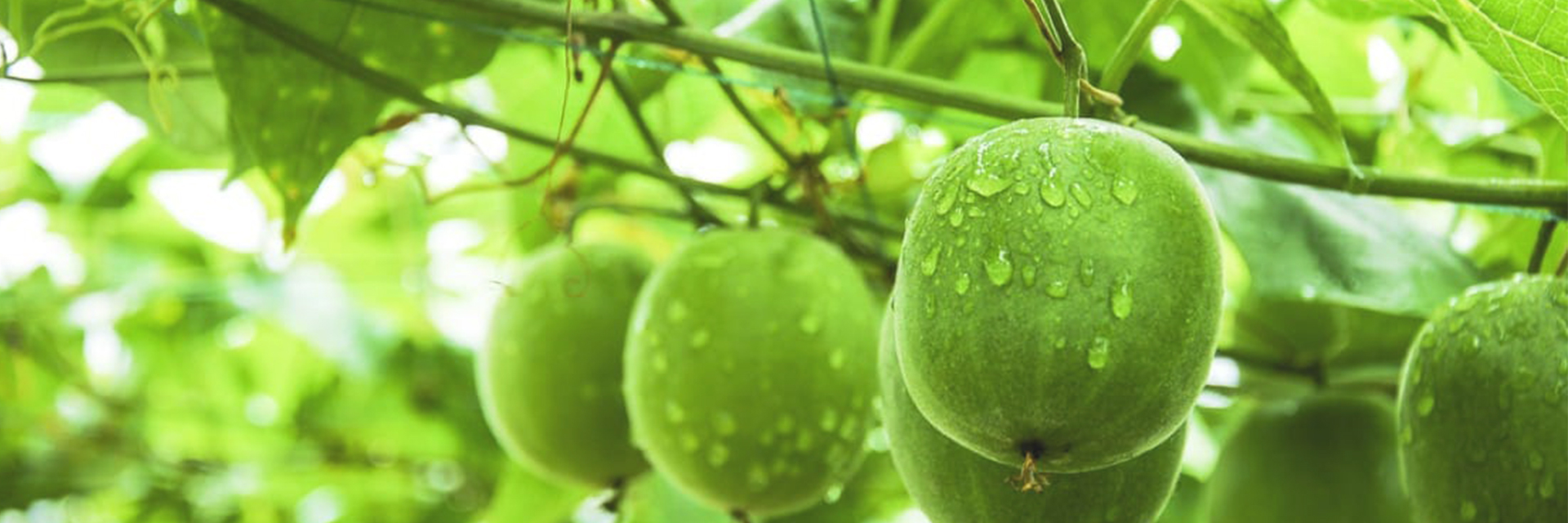
China Sweet Tea Extract Powder Factory: Direct Supply and Traceability
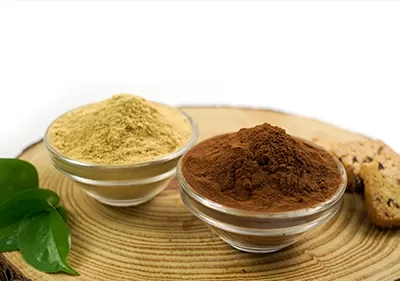
Huacheng Biotech runs its own sweet tea extract powder line in China. The factory sits inside a larger supply chain built around monk fruit and plant-derived sweeteners, which keeps overhead low and lot-to-lot consistency predictable. Walk into the extraction workshop and you see stainless-steel tanks, membrane filtration skids, and a drying tower that handles several hundred kilos per shift. Raw sweet tea leaves come from contracted growers in the same province, so the traceability paperwork is straightforward and audit-ready before export. The site holds FDA, HACCP, GMP, BRC, and CE certifications, which matters when your buying decisions depend on third-party audits rather than sales pitches. Being labeled “budget” here refers to how the factory is structured—vertically integrated and not squeezed by middlemen—not to corners cut on QA. Engineers track key process parameters like solvent ratios and spray-dry temperatures on a DCS panel that has logged every batch since 2018. If you need a consistent 40% or 50% rubusoside powder without surprises, this is the production floor where it happens.
Technical Detail
The sweet tea extract powder that leaves this China factory is made under ISO 22000-linked HACCP plans. Incoming leaves are tested for pesticides and heavy metals before unloading, and each extraction run gets a lab report covering residual solvents, microbial limits, and assay by HPLC. Because the company holds BRC and FDA registrations, the QC team runs an annual ring test with an external proficiency scheme—something that smaller toll processors rarely bother with. The in-house drying capacity sits around 200 MT of finished powder per year, split between spray-dried and vacuum-dried options depending on what the application needs. Food brands using the powder in zero-calorie beverages or tabletop sweeteners often request a particle-size distribution within 80‑120 mesh; the sifting line can hit that spec without rework penalties. Technically, the extract is a pale beige to off-white powder with a clean, sweet bloom and minimal aftertaste when the rubusoside purity is kept above 40%. The factory also holds a utility patent covering a low-temperature extraction method that preserves volatile aromatics, which helps when a customer wants a more tea-like top note in their finished formula. On the logistics side, full-container loads ship from Shanghai or Shenzhen within two weeks of order confirmation, and sample requests are dispatched by air in three working days—simple enough that procurement teams can schedule trials without complicating their project timelines. All batch records are archived for five years, so auditors can trace any lot back to the growing season and harvest plot, not just the processing date. For a budget-positioned product, the paperwork trail and production discipline match what you would expect from higher-priced ingredient houses.
News
Huacheng Bio has officially entered a new chapter with the formal establishment of its new...
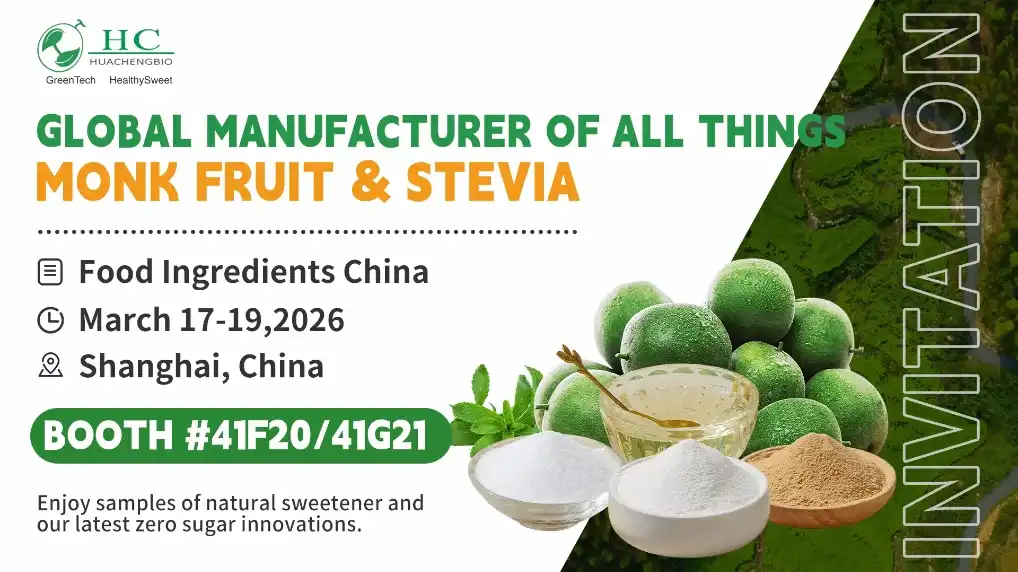
Join Us at Food Ingredients China (FIC) 2026! March 17–19, 2026 Hall 4.1 | Booth...

As a global leader in natural, health‑forward sweetening solutions, we will be present at ...
Products
FAQ
Standard grades are 40% and 50% rubusoside by HPLC. The 40% version is the most commonly stocked; the 50% grade takes an extra purification step and has a cleaner sweetness profile. Custom concentrations up to 60% are run against a confirmed purchase order, but the minimum batch size is larger due to the solvent recovery cycle.
The facility is currently certified under FDA 21 CFR 111 (dietary supplement GMP), HACCP, GMP, BRC (Grade A), and CE. Audit summary reports from the last two BRC unannounced audits are shared under NDA during buyer qualification. Certificates are renewed annually and are available in English and Chinese.
All finished powder is shipped directly from the factory in Hunan province. We do not hold third-party inventory abroad, which keeps warehousing costs out of the unit price. For regular buyers, we can split a full container into two port destinations if the schedule aligns.
Every batch is assigned a B/N that links to the grower contract, date of harvest, and drying-lot number. The same number appears on the COA, packing list, and lab notebooks. Digital records go back to 2018, and earlier paper logs can be retrieved within 48 hours if needed.
Share your product type, target capacity, and application requirements. Our team can review the details and recommend a practical next step.