
 EN
EN EN
EN CN
CN ES
ES PT
PT SV
SV DE
DE TR
TR FR
FR AR
AR BG
BG HR
HR CS
CS DA
DA NL
NL FI
FI EL
EL HI
HI IT
IT JA
JA KO
KO NO
NO PL
PL RO
RO RU
RU CA
CA TL
TL IW
IW ID
ID LV
LV LT
LT SR
SR SK
SK SL
SL UK
UK VI
VI SQ
SQ ET
ET GL
GL HU
HU MT
MT TH
TH FA
FA AF
AF MS
MS GA
GA BE
BE UZ
UZ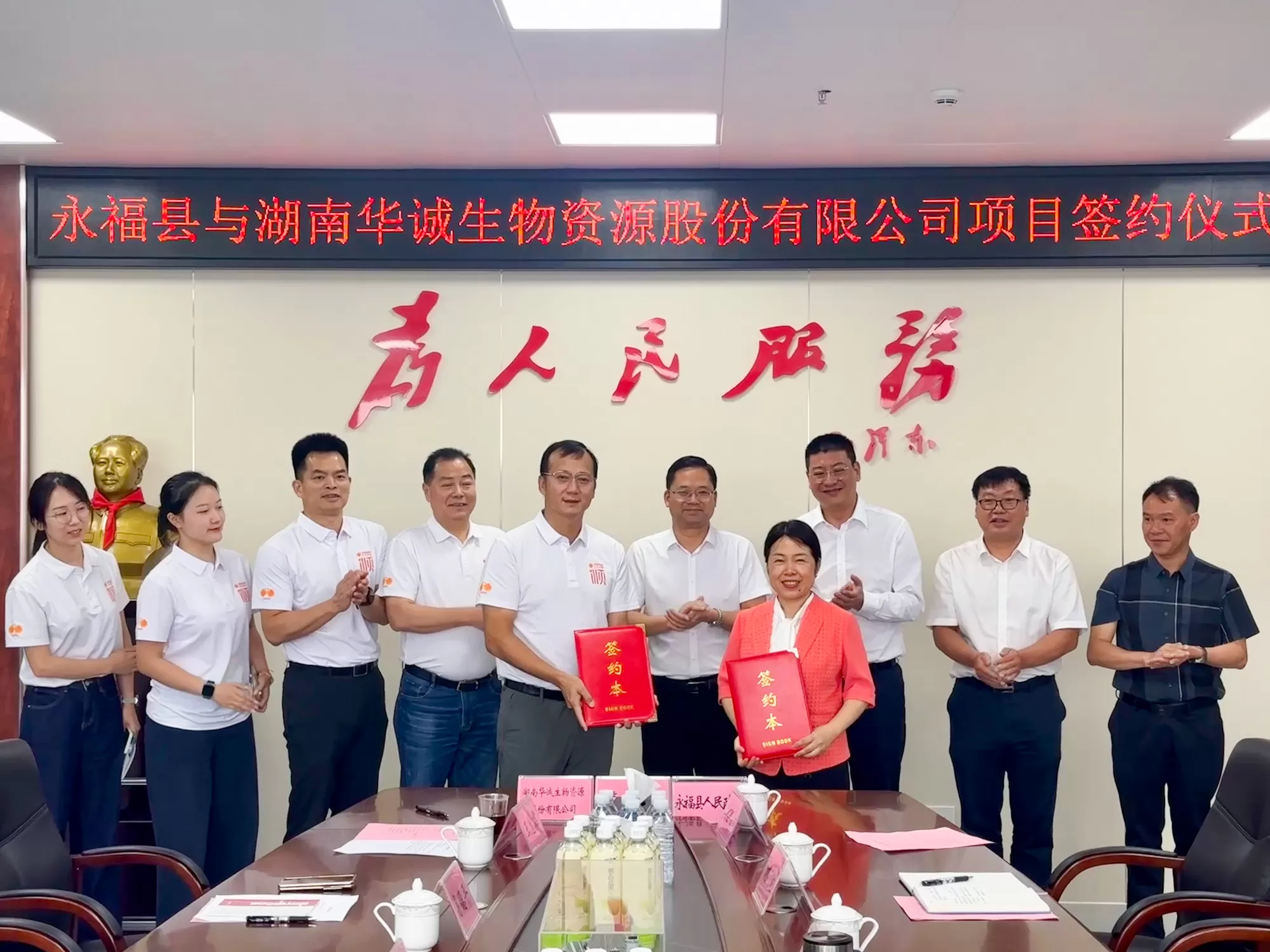
Huacheng Bio: Building Momentum for the Future, Sharing New Beginnings
Huacheng Bio has officially entered a new chapter with the formal establishment of its new...
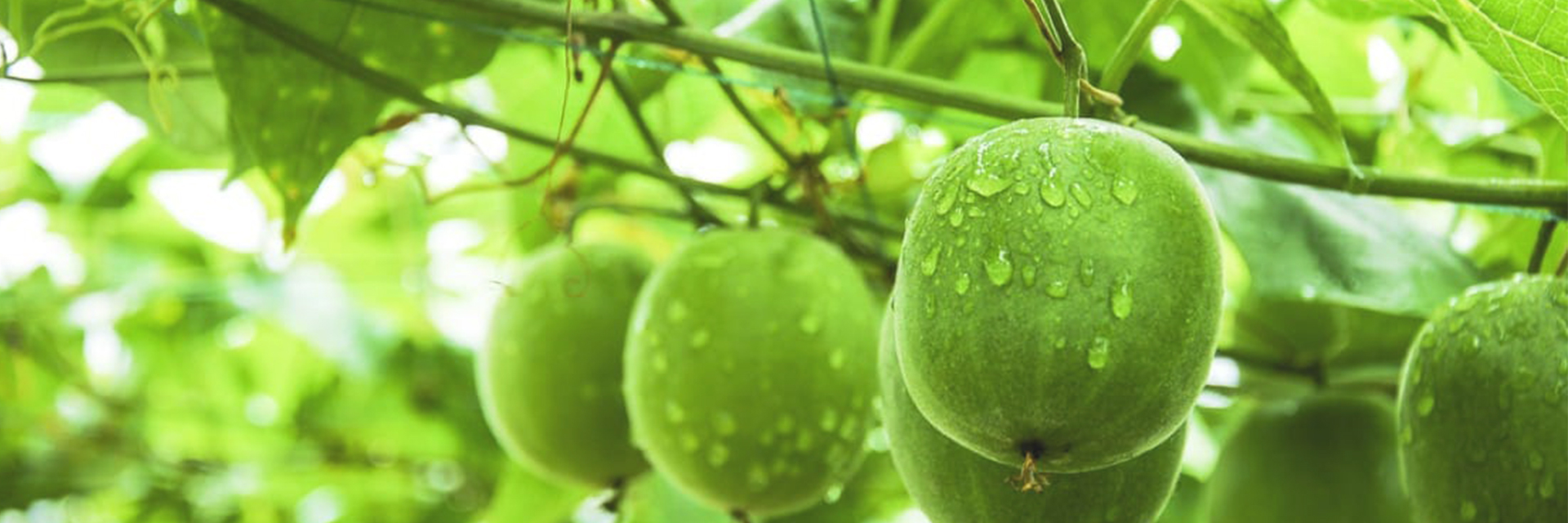
China Monk Fruit Liquid Sweetener – Zero-Calorie Sweetness
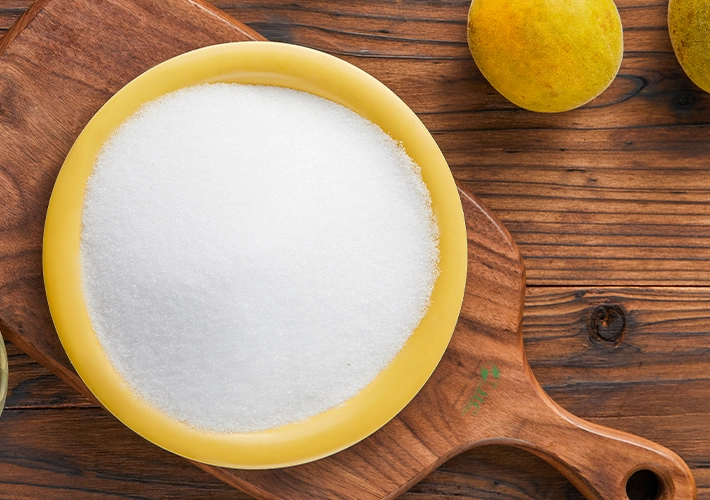
Formulating a reduced-sugar product that doesn’t sacrifice mouthfeel often steers developers toward monk fruit. The next challenge is finding a liquid concentrate that stays consistent batch to batch and fits a tight cost structure. Hunan Huacheng Biotech has spent over two decades building its own supply chain in China’s top monk fruit growing region. That directly controlled chain—from farms to extraction—removes middlemen and keeps pricing competitive. The liquid sweetener comes from a GMP, BRC, and FDA-registered facility, so every lot passes through analytical checks for purity and mogroside content. Standard concentrations are available, and the liquid format brings a clean, zero-calorie sweetness without the aftertaste common in many high-intensity sweeteners. For brands watching both margins and label claims, this approach turns a commodity ingredient into a strategic advantage.
Technical Detail
The liquid monk fruit sweetener produced by Huacheng Biotech starts with fruit grown under long-term contracts in Guilin, where farmers follow strict agricultural practices. Once harvested, the fruit is processed in-house using water extraction and multi-stage filtration to remove bitter notes while retaining the target mogroside V profile. The result is a pale, clear liquid that dissolves readily in cold or hot systems, with no sedimentation. It works well for ready-to-drink teas, flavored waters, sauces, and dairy alternatives, where a clean label and zero-calorie claim matter. Because the company handles every step—planting, extraction, refining, and filling—traceability is full, and external certifications are routinely updated. The facility holds HACCP, GMP, CE, and BRC certifications, and has passed FDA inspections. For industrial buyers, that means less time verifying suppliers and fewer surprises in production. Inventory is kept in standard IBC totes and pails, with shipments organized by sea or air to meet pipeline schedules. Quality control includes mogroside assay by HPLC, microbiological tests, and heavy metal screens, with a certificate of analysis issued for every order. The chain-of-custody from field to drum is documented, which supports compliance for brands that market into North America, Europe, and Asia.
News
Huacheng Bio has officially entered a new chapter with the formal establishment of its new...

Join Us at Food Ingredients China (FIC) 2026! March 17–19, 2026 Hall 4.1 | Booth...

As a global leader in natural, health‑forward sweetening solutions, we will be present at ...
Products
FAQ
Most orders ship with 50% or 60% mogroside V content, measured by HPLC. Custom concentrations can be arranged, though lead time may extend slightly. We recommend sharing your target sweetness ratio so we can match the right specification.
Absolutely. We offer sample quantities and smaller trial batches. Many of our partners test compatibility in their own pilot runs and then scale up after approval. Just let us know the volume you need for evaluation.
Store in sealed containers in a cool, dry place, away from direct sunlight. In these conditions, shelf life is typically 12 months from the production date. We label each package with the batch code and expiry for easy reference.
Yes. Our facility maintains active certifications including FDA, BRC, GMP, HACCP, and CE. We can provide copies during the audit stage. Existing clients also confirm our status through third-party platforms to streamline their vendor approval.
In many beverage formulations, monk fruit’s high sweetness intensity—often over 200 times sweeter than sugar—means the liquid form replaces a large portion of bulk sweeteners at a low inclusion rate. While the unit price per kilo may appear higher, the cost-in-use frequently works out favorably, especially when you avoid off-notes that require masking agents. Our trade team can run a cost-comparison with your current formula if you share the specs.
Share your product type, target capacity, and application requirements. Our team can review the details and recommend a practical next step.