
 EN
EN EN
EN CN
CN ES
ES PT
PT SV
SV DE
DE TR
TR FR
FR AR
AR BG
BG HR
HR CS
CS DA
DA NL
NL FI
FI EL
EL HI
HI IT
IT JA
JA KO
KO NO
NO PL
PL RO
RO RU
RU CA
CA TL
TL IW
IW ID
ID LV
LV LT
LT SR
SR SK
SK SL
SL UK
UK VI
VI SQ
SQ ET
ET GL
GL HU
HU MT
MT TH
TH FA
FA AF
AF MS
MS GA
GA BE
BE UZ
UZ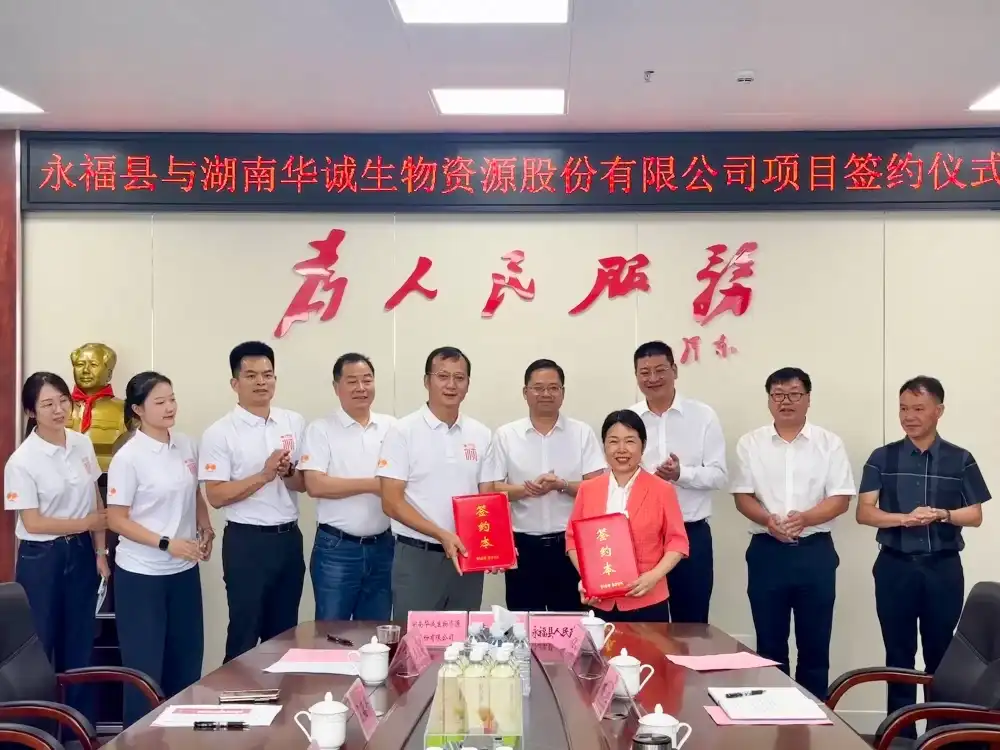
Huacheng Bio: Building Momentum for the Future, Sharing New Beginnings
Huacheng Bio has officially entered a new chapter with the formal establishment of its new...
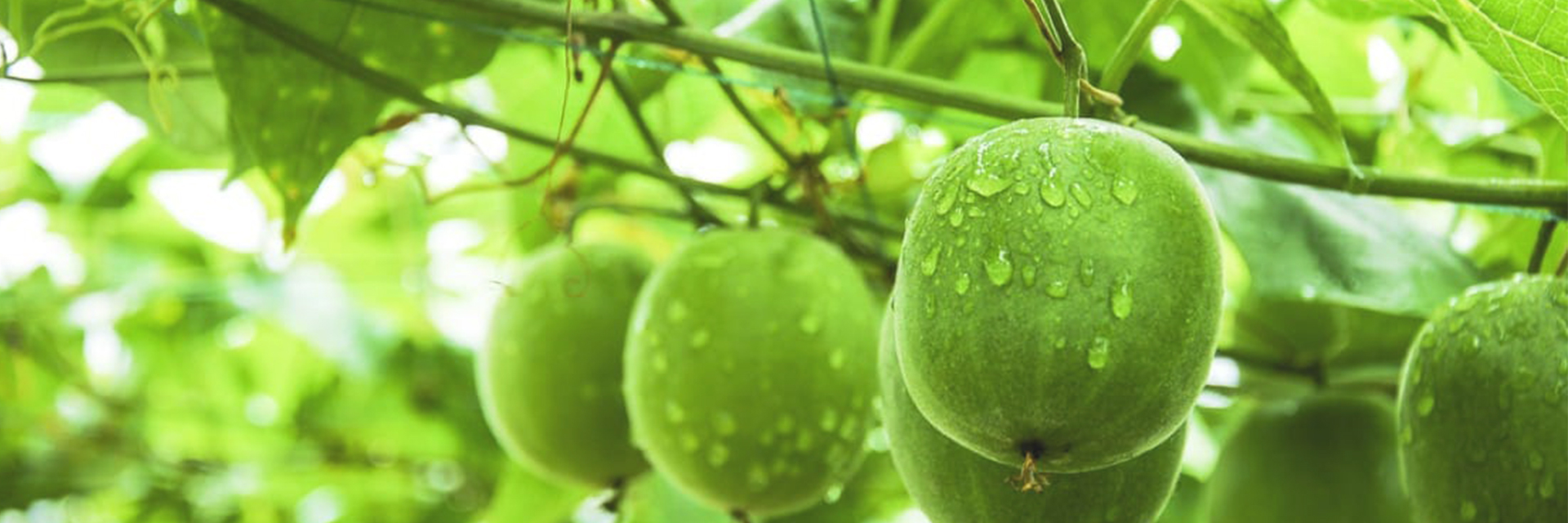
China Pure Monk Fruit Juice Concentrate Without the Premium
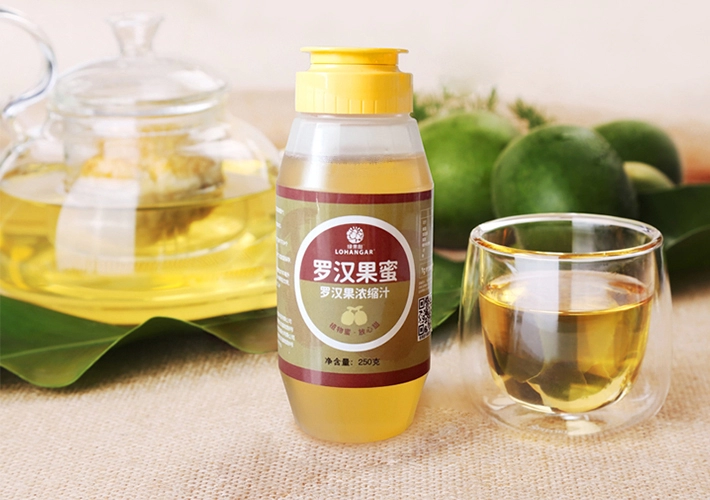
Monk fruit sweeteners often come with a steep price tag, but that’s not a fixed rule. When you buy pure monk fruit juice concentrate direct from a Chinese manufacturer like Huacheng Biotech, the math changes. We run our own supply chain from the monk fruit orchards of Guangxi to the final evaporation step, eliminating middlemen. That means you get the same zero-calorie, natural sweetness without paying extra for brand markup. Our facility operates multiple extraction lines, and the resulting concentrate moves from harvest to shipment with short lead times—no waiting on imported intermediates. All batches are produced under a certified quality system that includes FDA, HACCP, GMP, CE, and BRC registrations. If you’re sourcing for a food or beverage brand where sugar reduction matters but margins are tight, this is where Huacheng’s industrial approach changes the conversation.
Technical Detail
The juice concentrate is a water-extracted liquid from monk fruit, processed through multi-stage filtration to remove off-notes and particulates. It arrives as a clear, amber to light-brown syrup with a clean sweet profile that works in everything from carbonated drinks to dairy alternatives. Because we manage the entire chain—from raw fruit grading to final concentration—we can trim costs that competitors pass on to buyers. That doesn’t mean a sacrifice in consistency: each lot is tested for mogroside V content, heavy metals, and microbial limits against standard specifications. For formulators, the liquid form eliminates dust, speed dissolution, and gives precise control over dosage. It’s also stable in acidic and heat-treated processes, so it fits in with typical thermal pasteurization or UHT lines. While many suppliers only offer powdered extracts with carriers, keeping the concentrate in its native liquid state preserves more of the fruit’s minor components that can round out sweetness perception. We ship in aseptic totes or pails, with documentation that supports label claims like ‘naturally sweetened’ or ‘no artificial sweeteners.’ The certification scopes—FDA facility registration, BRC food safety certification, HACCP plan—give your QA team something they can actually audit. And if your formula needs a custom mogroside V content or a specific Brix range, we’re set up for short-run adjustments without exotic surcharges. For brands scaling up, this is a way to lock in a competitive cost per kg of sweetness ahead of the market.
News
Huacheng Bio has officially entered a new chapter with the formal establishment of its new...
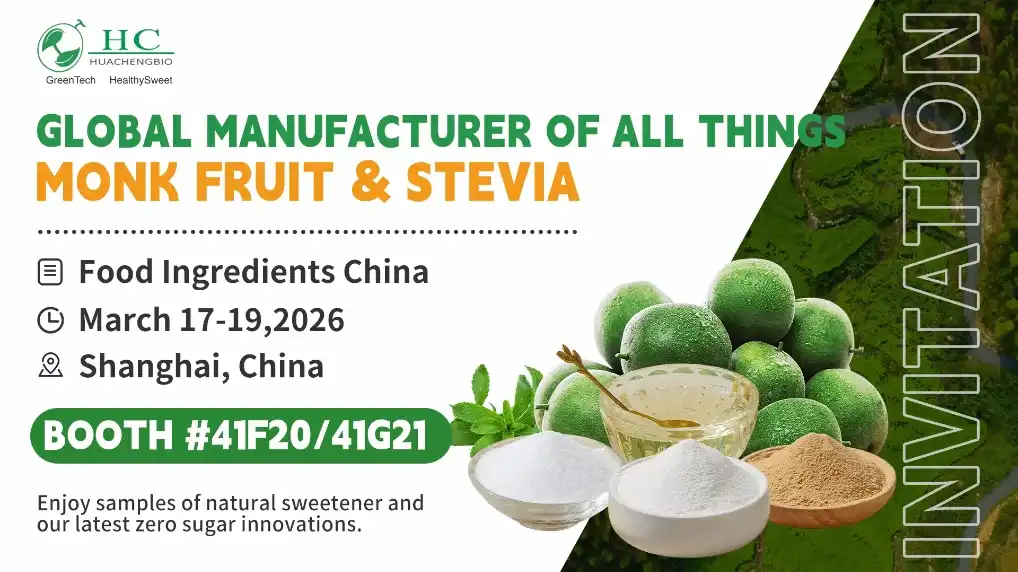
Join Us at Food Ingredients China (FIC) 2026! March 17–19, 2026 Hall 4.1 | Booth...

As a global leader in natural, health‑forward sweetening solutions, we will be present at ...
Products
FAQ
Our standard product target is 50% mogroside V on a dry basis, but since we process fruit to order, we can adjust the specification band to match your cost-in-use targets—lower if you’re replacing bulk sweeteners, higher if you’re paying for sweetness potency. We can also tweak the Brix level within the range that keeps the product pumpable.
It’s been tested through typical HTST and UHT conditions with no loss of sweetness or formation of off-flavors. The pH stays relatively flat between 3.5 and 5.5, so you won’t see separation or settling that forces line stoppages. We usually supply a thermal stability summary with the CoA so your process engineers can check it against the expected hold times.
We’re FDA-registered, operate under a HACCP plan, and maintain BRC certification. We also have GMP, CE, and annual third-party audits for non-GMO and residue testing. Documentation is available to you as a buyer; we routinely share certification packages during vendor onboarding.
Yes. We ship 500g to 1kg evaluation samples in sealed aseptic pouches. They come with a provisional CoA and a usage guide that covers mixing, storage, and handling. You’ll pay the freight, but the sample itself is typically at no charge for qualified food and beverage manufacturers.
Because you’re buying a bulk liquid without added carriers or spray-drying overhead, the price per unit of sweetness often comes in lower than rehydrating a powder. And since it meters easily in a liquid dosing system, you avoid the weighing and dusting steps that add labor on the floor. Many customers find the total formulation cost drops once they factor in easier handling and zero carrier fillers.
Share your product type, target capacity, and application requirements. Our team can review the details and recommend a practical next step.