
 EN
EN EN
EN CN
CN ES
ES PT
PT SV
SV DE
DE TR
TR FR
FR AR
AR BG
BG HR
HR CS
CS DA
DA NL
NL FI
FI EL
EL HI
HI IT
IT JA
JA KO
KO NO
NO PL
PL RO
RO RU
RU CA
CA TL
TL IW
IW ID
ID LV
LV LT
LT SR
SR SK
SK SL
SL UK
UK VI
VI SQ
SQ ET
ET GL
GL HU
HU MT
MT TH
TH FA
FA AF
AF MS
MS GA
GA BE
BE UZ
UZ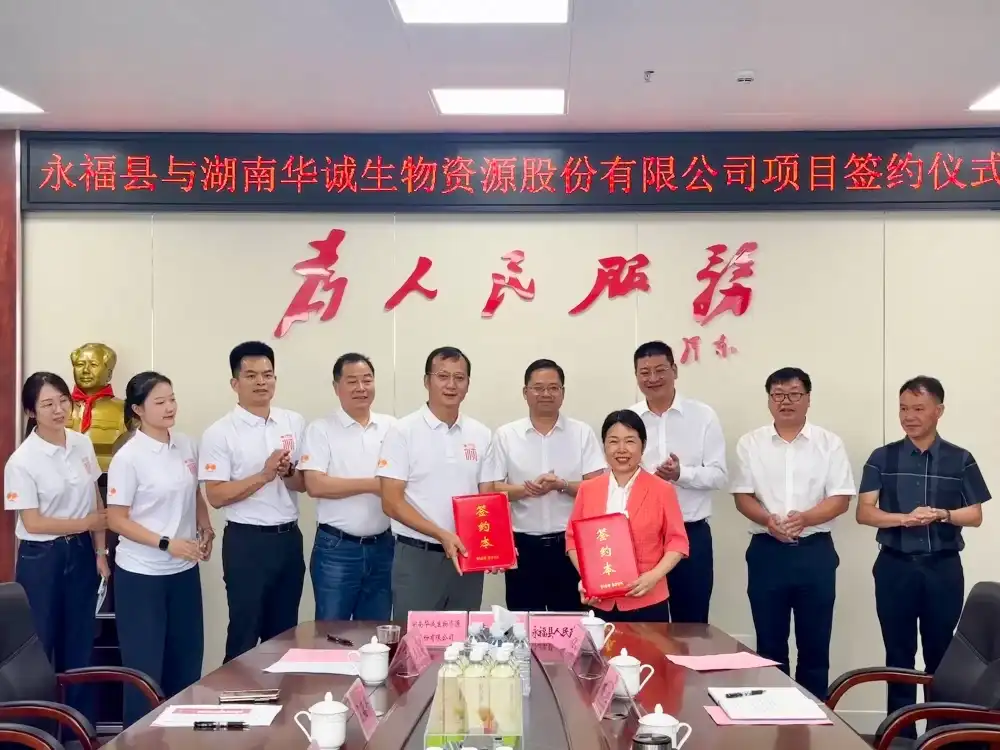
Huacheng Bio: Building Momentum for the Future, Sharing New Beginnings
Huacheng Bio has officially entered a new chapter with the formal establishment of its new...
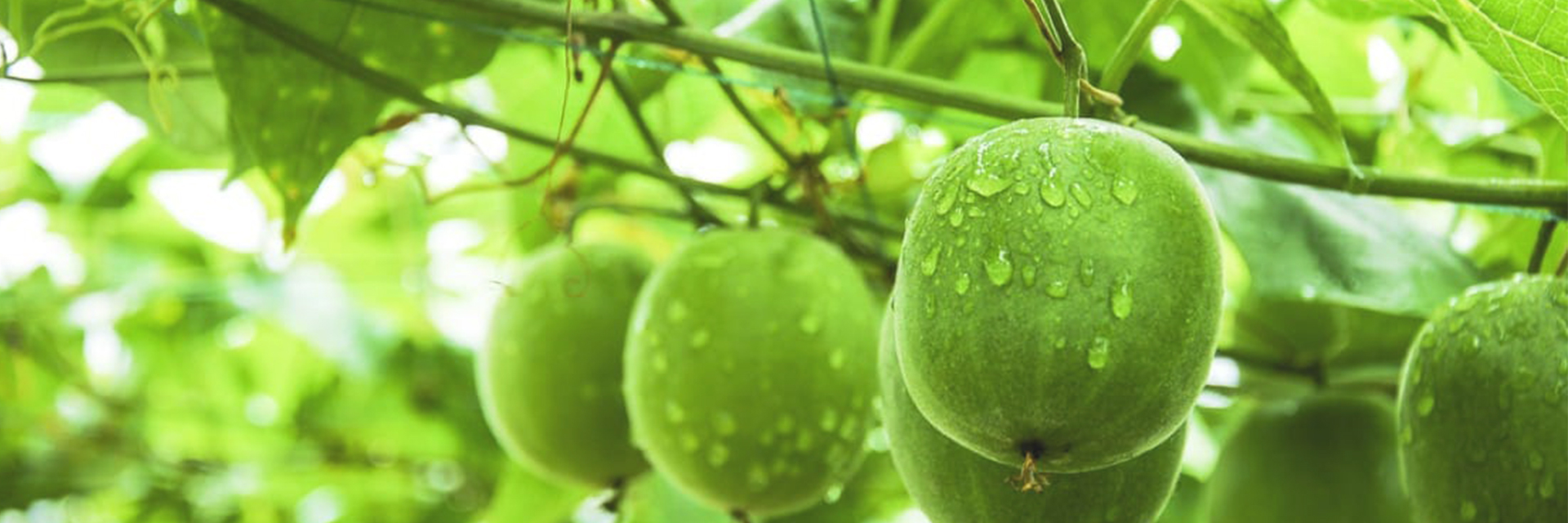
China Stevia Leaf Extract Liquid: Budget-Friendly, Technically Backed
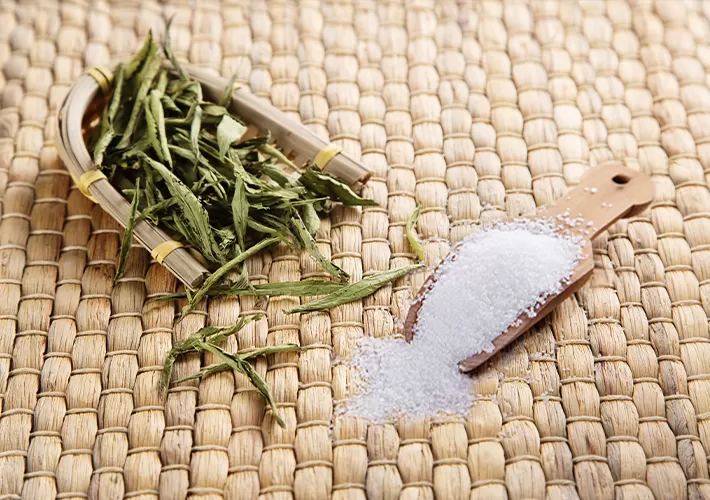
When formulators need a liquid sweetener that balances cost and consistency, the country of origin often shapes the entire supply equation. With stevia leaf extract liquid from China, the conversation rarely stays on price alone—it quickly turns to what’s behind the offer. Is the production chain fully integrated? Which certifications can the manufacturer actually produce, not just claim? At Hunan Huacheng Biotech, those questions have straightforward answers. The company operates its own extraction facilities, controls leaf sourcing through established grower networks, and holds a suite of certifications that includes FDA, HACCP, GMP, CE, and BRC. That means the liquid extract you receive isn’t just a commodity item; it’s part of a traceable chain from seedling to shipment. And because the operation is built for high-volume output, the unit economics tend to work in favor of buyers who need consistent supply without breaking product margins. We’ll walk through what that means in practice, from technical parameters to the paperwork that keeps your own compliance team comfortable.
Technical Detail
When you dig into what China stevia leaf extract liquid actually involves, the technical picture matters more than label claims. The liquid is typically a clarified, water-based concentrate standardized to a specific steviol glycoside profile—commonly Rebaudioside A and stevioside—with total content ranging from 20% to 60% depending on intended application. Hunan Huacheng Biotech produces these liquids in batches controlled for pH, color (measured by absorbance), and microbial limits that meet international thresholds. The company’s extraction process runs solvent-free using membrane filtration and ion-exchange purification, steps that align with the non-chemical philosophy many food and beverage developers seek. Because the plant holds FDA, HACCP, GMP, CE, and BRC certifications, every lot comes with documentation that covers identity, purity, and potency—the kind of paperwork that becomes essential when you’re filing product registrations in multiple jurisdictions. On the operational side, having an integrated supply chain means extraction capacity isn’t limited by third-party leaf availability. The company sources leaves from its own contracted farms in Hunan province and runs extraction lines that can handle multi-ton orders without switching between subcontractors. This vertical integration keeps per-kilo costs competitive, which matters in budget-sensitive categories like dairy, RTD beverages, and tabletop sweeteners. For technical users, the liquid form offers advantages: it disperses faster in cold processes than powder, doesn’t require predissolution, and can be metered directly into blending tanks. Labs commonly specify it for syrups, sauces, and non-alcoholic drinks where consistent sweetness release is critical. Beyond specs, the practical concern for many buyers is inventory rhythm. The manufacturer’s location in Changsha, with access to major container ports, means standard lead times don’t balloon with complexity. And because the facility is designed around stevia, not a dozen unrelated botanicals, the focus isn’t diluted—every line, every QC protocol, every audit trail is built to deliver the same liquid extract profile month after month. Put simply, it’s a setup where the certifications aren’t just wall art; they’re the operating system.
News
Huacheng Bio has officially entered a new chapter with the formal establishment of its new...
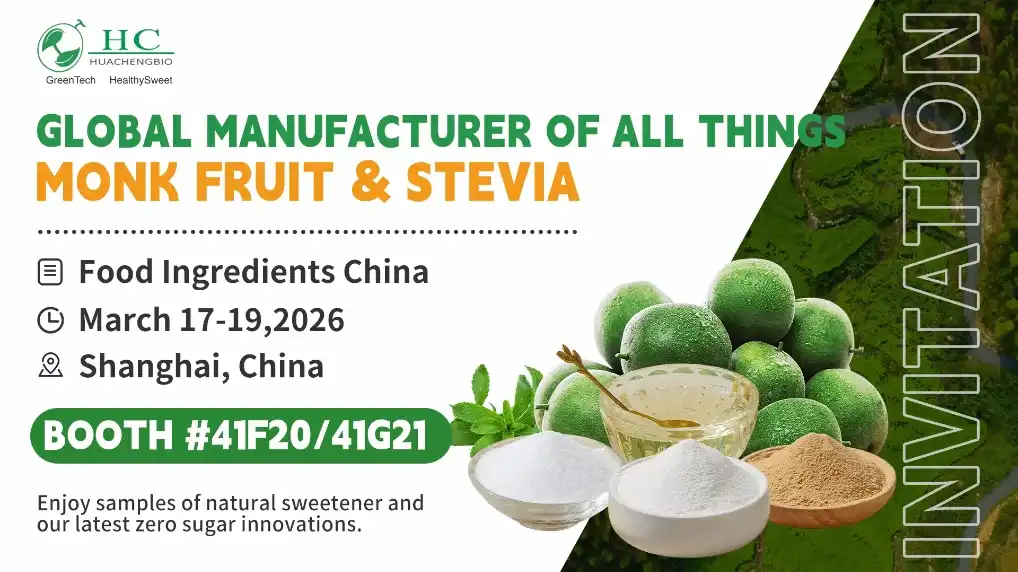
Join Us at Food Ingredients China (FIC) 2026! March 17–19, 2026 Hall 4.1 | Booth...
As a global leader in natural, health‑forward sweetening solutions, we will be present at ...
Products
FAQ
Most inquiry specs request RA60 or higher, but we can adjust the ratio between Rebaudioside A and stevioside. Standard production targets total glycosides between 20% and 60%, verified by HPLC with each batch certificate. If your application needs a specific sensory curve—less bitterness, more upfront sweetness—we’ll align the extract with that goal based on the leaf material we process.
We provide full certificate packages: unredacted copies, scope descriptions, and audit report summaries where the scheme allows. BRC is A-rated, and FDA registration is verified through the FURLS database. We also maintain ongoing Good Manufacturing Practice logs that you can review on-site or remotely before signing a supply agreement.
The glycosides themselves are stable up to 200°C and across pH 2–9, which covers most pasteurization and UHT treatments. The liquid carrier we use—usually purified water with minimal preservative—handles those process conditions without degrading. Shelf-life testing supports 18 months under ambient storage if the container integrity is maintained.
For private-label with custom packaging, we typically need 1,000 kg per run to cover line setup and testing. If you’re using our stock labeling, the minimum is 200 kg. Both options include full documentation and free retain samples for your own analysis.
Every batch is assayed before release, and we blend post-extraction when necessary to tighten the glycoside range. The target variation is ±2% of the declared content. For multi-ton contracts, we also reserve a proportion of each lot for cross-checks after blending, so your production team sees the same potency number quarter to quarter.
Share your product type, target capacity, and application requirements. Our team can review the details and recommend a practical next step.
Related Keywords