
 EN
EN EN
EN CN
CN ES
ES PT
PT SV
SV DE
DE TR
TR FR
FR AR
AR BG
BG HR
HR CS
CS DA
DA NL
NL FI
FI EL
EL HI
HI IT
IT JA
JA KO
KO NO
NO PL
PL RO
RO RU
RU CA
CA TL
TL IW
IW ID
ID LV
LV LT
LT SR
SR SK
SK SL
SL UK
UK VI
VI SQ
SQ ET
ET GL
GL HU
HU MT
MT TH
TH FA
FA AF
AF MS
MS GA
GA BE
BE UZ
UZ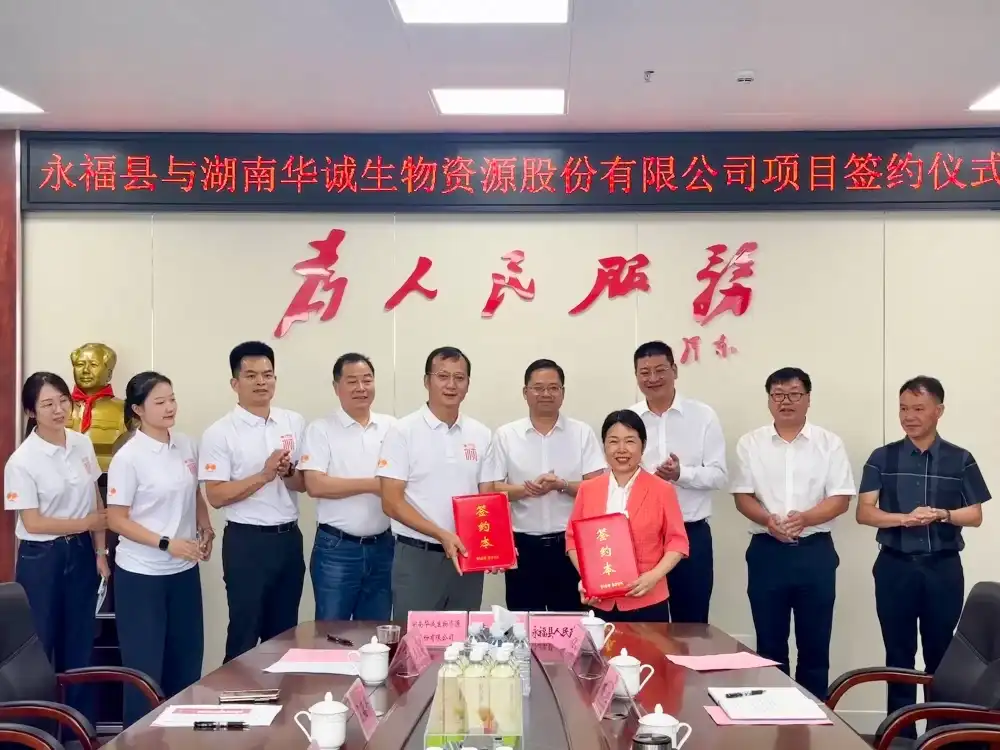
Huacheng Bio: Building Momentum for the Future, Sharing New Beginnings
Huacheng Bio has officially entered a new chapter with the formal establishment of its new...
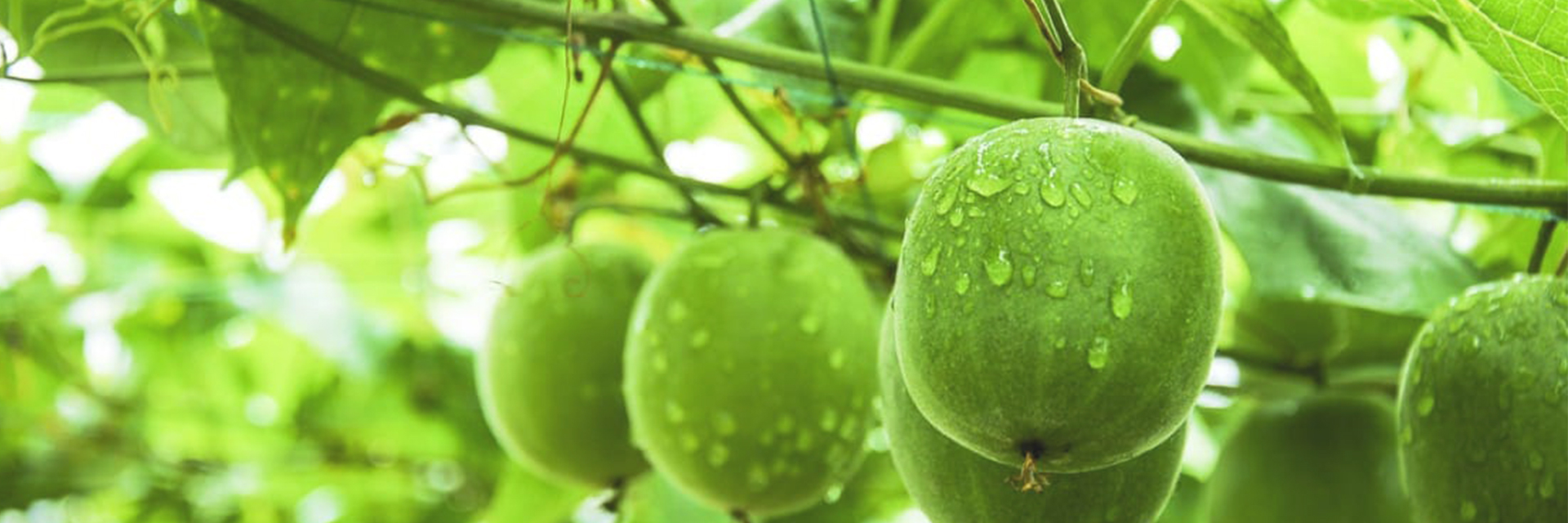
Behind the Scenes at a Monk Fruit Juice Concentrate Manufacturer
Most monk fruit juice concentrate on the market travels through too many hands before reaching a formulator. At Hunan Huacheng Biotech, we keep the chain short. The fruit is processed under one roof from extraction to final liquid concentration, which means fewer markups and less chance of quality drift. That setup comes from over a decade of refining the workflow—not from copying someone else's playbook. We hold certifications like GMP, HACCP, CE, BRC, and FDA, which are not just paper; they reflect a system that gets audited regularly. For companies looking to cut sweetener costs without cutting corners, this kind of manufacturing footprint matters. It is one reason we can hit budget targets that larger, multi-level competitors struggle with. No glossy promises—just a straightforward operation that has scaled responsibly and ships worldwide.
Technical Detail
Huacheng Biotech operates a concentrated supply chain for monk fruit juice concentrate, starting from fruit sourcing in southern China orchards. The extraction line runs at industrial scale, with capacity booked months in advance during harvest, and we run lean on inventory to keep costs predictable. Certifications are a practical requirement in this space. Our facility holds GMP, HACCP, CE, BRC, and FDA clearances. That combination is not common among budget manufacturers; it means quality systems are in place without the premium pricing that usually comes with them. The BRC certification, in particular, speaks to supply chain traceability—each batch can be traced back to the growing region and processing date. For food and beverage developers, this traceability simplifies their own audit paperwork. The liquid concentrate itself is standardized to 65° Brix as a typical spec, though we adjust concentration to customer requirements. Water activity stays low enough to inhibit spoilage without artificial preservatives. That is achieved through evaporation under vacuum, not by adding anything to the formula. Customers also get support on sweetness equivalence conversions because monk fruit varies naturally. We do not pretend to be a boutique consultant, but we share data that helps formulation move faster. The budget positioning comes from operational choices, not from cutting corners on safety or documentation.
News
Huacheng Bio has officially entered a new chapter with the formal establishment of its new...
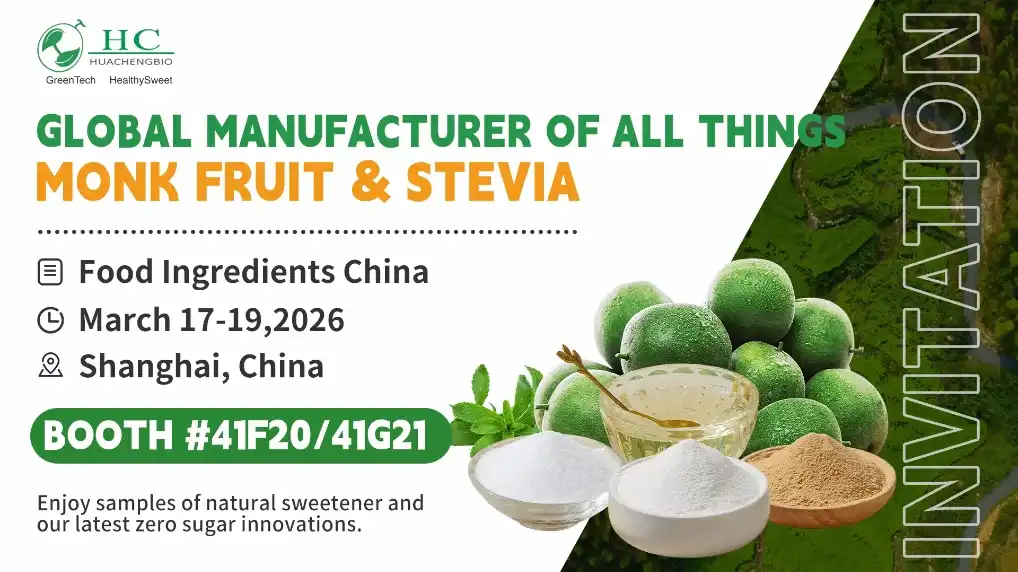
Join Us at Food Ingredients China (FIC) 2026! March 17–19, 2026 Hall 4.1 | Booth...

As a global leader in natural, health‑forward sweetening solutions, we will be present at ...
Products
FAQ
We hold GMP, HACCP, CE, BRC, and FDA certifications. These apply to the entire production line, not just select batches.
We standardize to 65° Brix but can adjust. Lower Brix means easier handling but higher shipping cost; it is a tradeoff we help customers work through.
Currently we do not hold organic certification. However, our conventional material meets residue limits set by EU and FDA, backed by third-party lab reports.
It depends on the application. For pilot runs, we can start with 25 kg. Bulk orders typically start at 200 kg. We try not to lock anyone into volume they don’t need.
Monk fruit varies by harvest. We blend batches and test against a reference standard. Customers also receive a sweetness equivalence chart with each shipment so they can dial in their formula.
Share your product type, target capacity, and application requirements. Our team can review the details and recommend a practical next step.