
 EN
EN EN
EN CN
CN ES
ES PT
PT SV
SV DE
DE TR
TR FR
FR AR
AR BG
BG HR
HR CS
CS DA
DA NL
NL FI
FI EL
EL HI
HI IT
IT JA
JA KO
KO NO
NO PL
PL RO
RO RU
RU CA
CA TL
TL IW
IW ID
ID LV
LV LT
LT SR
SR SK
SK SL
SL UK
UK VI
VI SQ
SQ ET
ET GL
GL HU
HU MT
MT TH
TH FA
FA AF
AF MS
MS GA
GA BE
BE UZ
UZ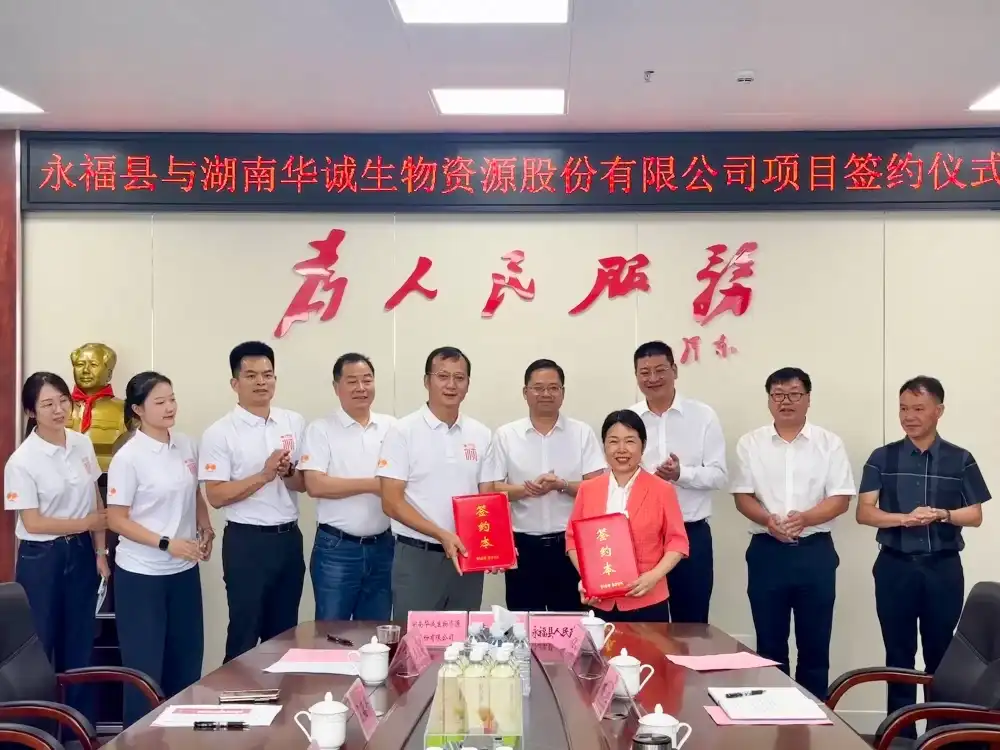
Huacheng Bio: Building Momentum for the Future, Sharing New Beginnings
Huacheng Bio has officially entered a new chapter with the formal establishment of its new...
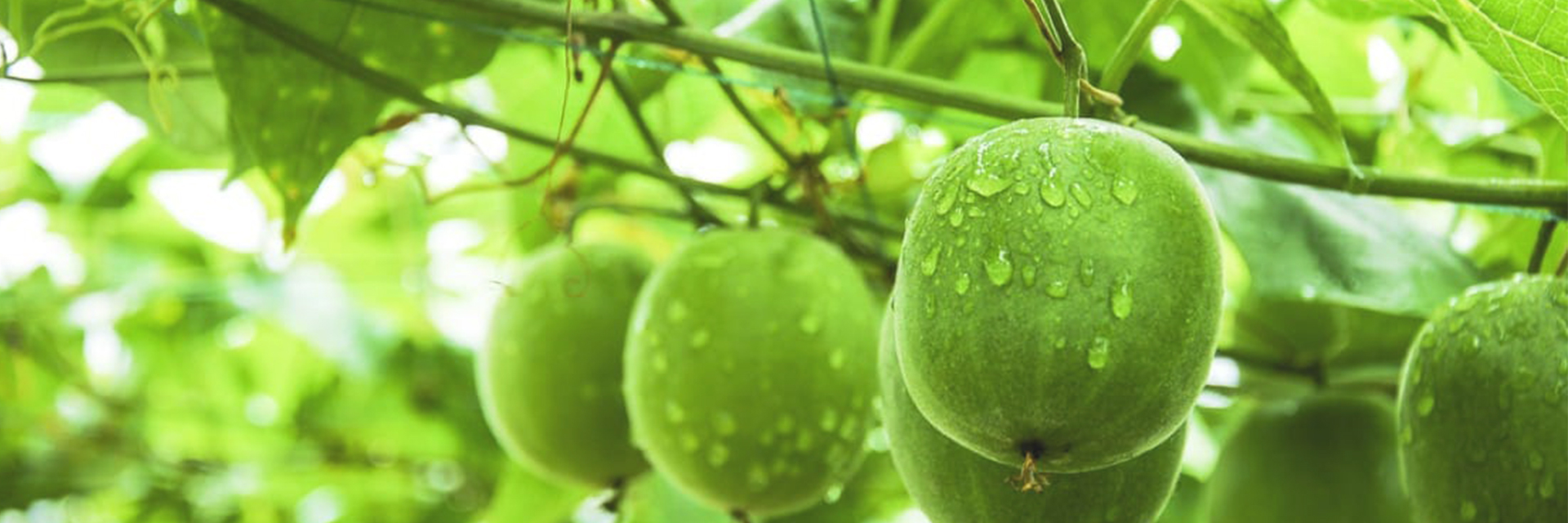
Stevia Leaf Extract Sugar: Budget-Friendly Natural Sweetener
When replacing sugar in large-scale production, cost and consistency are the first numbers you check. Stevia leaf extract sugar skips the artifice. It delivers functional sweetness without calories, and for formulators on a budget, the challenge isn’t finding a supplier—it’s finding one that doesn’t overpromise on specs while underdelivering on chain traceability. Hunan Huacheng Biotech operates across the full industry chain, from stevia leaf to final extract. They don’t just source crude material; they control purification, drying, and quality testing in-house. That vertical integration is what makes a budget pricing model sustainable without sacrificing the technical data you actually need for your NPD pipeline. No glossy brochure promises. Just direct lines to the lab and the warehouse.
Technical Detail
Huacheng Biotech’s stevia leaf extract sugar comes from a single-origin leaf processing system. Their chain starts with contracted planting bases, moves through membrane separation and recrystallization stages, and ends with spray-dried powder. This cuts middle steps that typically inflate costs and dilute QC oversight. Typical batch outputs show glycoside content meeting international monograph standards—the extract is compliant under FDA, HACCP, GMP, CE, and BRC certifications. For a budget positioning, that list of certs is uncommon; it’s usually the first line that gets thinned to protect margin. The extract is stable in acidic formulations and holds up in high-temperature processes like baking or pasteurization, though steviol glycosides do display latency in some profiles. Staff can provide blending curves if you’re working with erythritol or monk fruit to smoothen taste. The zero-calorie profile matches the company’s broader mission of bringing natural sweeteners to the mass market. Applications spread across beverages, dairy, condiments, protein bars, and pharma syrups where sugar reduction targets are firm but sensory panels are unforgiving. Bulk orders ship with a full analytical cert, not just a bland COA.
News
Huacheng Bio has officially entered a new chapter with the formal establishment of its new...
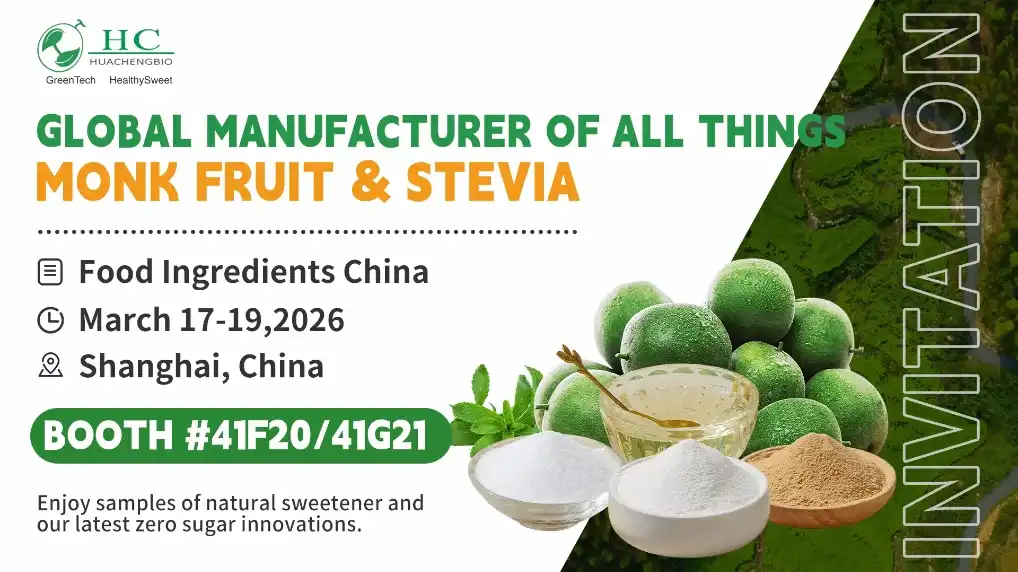
Join Us at Food Ingredients China (FIC) 2026! March 17–19, 2026 Hall 4.1 | Booth...
As a global leader in natural, health‑forward sweetening solutions, we will be present at ...
Products
FAQ
Most orders ship with a total steviol glycosides specification you can set in the P.O. Reb A content is often the primary marker, but the exact ratio is batch-dependent. Lab can adjust for a higher Reb A percentage if your formulation drives off sweetness onset time. It’s not a universal one-size powder.
Start with your desired sweetness equivalency. Commercial stevia extracts can run 200–300 times sweeter than sucrose, but the matrix matters. Ask for a small trial batch first—they’ll send a conversion guide based on your Brix target. Cost modeling usually lands significantly under liquid sugars once dilution and transport are accounted for, especially on multi-ton orders.
Some bitterness or licorice notes appear in high-concentration applications, but the extract’s purified form keeps them lower than crude leaf powders. Blending with a bulking agent like erythritol often solves it. They can recommend ratios from previous beverage and protein bar projects without you having to run a full sensory design from scratch.
Yes. The glycosides are heat- and pH-stable, so UHT processing and citrus-based drinks aren’t an issue. Keep the pH above 2.5 for best shelf-life results. Stability data is available upon request from their application lab.
Every batch comes with an analytical sheet referencing FDA, HACCP, GMP, CE, and BRC certifications. If your retailer asks for a specific notarized statement, their documentation team handles that directly—common for EU and North American chains.
Share your product type, target capacity, and application requirements. Our team can review the details and recommend a practical next step.