
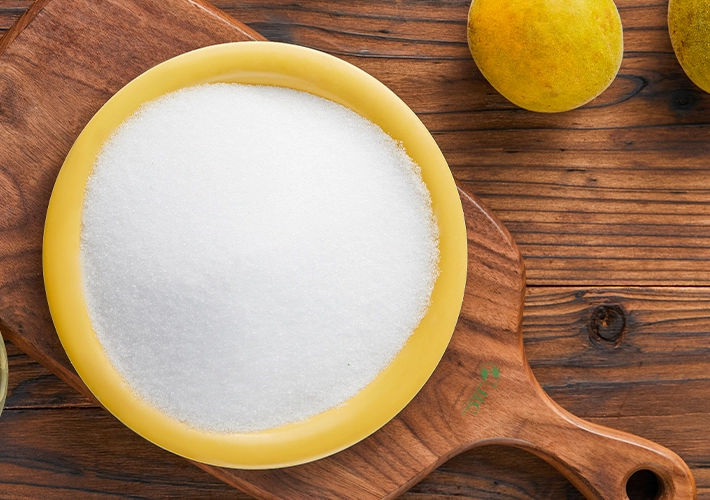
A high-quality monk fruit and stevia blend sweetener has to do more than taste sweet in a water sample. It must fit the finished product, arrive with the documents required for customer approval, remain consistent when the order moves from trial quantity to bulk supply, and give procurement a specification that can be checked lot after lot.
Monk fruit and stevia can work well together because their sweetness profiles are different. The blend can reduce reliance on sucrose while giving formulators more control over onset, peak sweetness, finish, dosage, and cost in use. The final result still depends on the extract grades, blend ratio, carrier system, process conditions, target market, and sensory benchmark. Those details belong in the purchasing discussion before a bulk order is released.
Monk fruit extract supplies mogrosides, while stevia extract supplies steviol glycosides such as Reb A or Reb M. Used alone, either ingredient can create a sweetness curve that does not quite match the product. One may arrive too slowly, linger too long, or expose bitterness in a difficult flavor system. Combining them gives the formulator another way to shape the taste instead of asking one high-intensity sweetener to do all the work.
The H2-Luo Monk Fruit Blend Sweetener range includes a monk fruit, stevia, and erythritol option alongside blends with erythritol, allulose, dietary fiber, and other systems. That distinction matters. A monk fruit-stevia blend may still need a carrier or bulking ingredient, especially when the brief calls for spoon-for-spoon use, easier dosing, or a sugar-like crystalline format.
For an industrial project, the best blend is not the one with the longest ingredient story. It is the one that reaches the target sweetness with acceptable aftertaste, processing stability, label fit, and repeatable cost per finished serving.
A buyer asking only for a monk fruit and stevia blend price leaves most of the technical decision unanswered. The supplier still needs to know whether the material will sweeten a clear beverage, yogurt, powdered supplement, bakery mix, confectionery product, or tabletop sweetener. Each matrix changes how the blend tastes and how it should be handled.
Start with the sucrose benchmark and the reduction target. Then define the serving size, flavor system, pH, heat exposure, solids requirement, label restrictions, and destination market. If the blend must deliver one-to-one sweetness versus sugar, state whether that means equal sweetness by weight or equal sweetness by volume. H2-Luo blend formats run roughly one to four times the sweetness of sugar, so the commercial specification must identify the exact grade rather than relying on a family name.
Water screening is useful for comparing basic sweetness profiles, but it cannot approve a commercial formula. Acid, protein, cocoa, minerals, botanicals, and active ingredients can all change the way monk fruit and stevia are perceived. The sample should be tested in the actual base at the intended serving size.
HuachengBio supports sweetener use in beverages, dairy products, baking, candy, solid drinks, tabletop formats, and health products. The same blend should not be assumed to perform identically across those categories.
| Application | What the blend can solve | What the trial must check |
|---|---|---|
| Beverages | Lower-sugar sweetness at low dosage. | Acid balance, clarity, aroma, sweetness onset, finish, and heat treatment. |
| Dairy and yogurt | Sweetness alongside cultured or dairy notes. | Protein, fat, fruit flavor, sourness, water holding, and refrigerated shelf life. |
| Bakery | Reduced sugar sweetness in mixes and finished goods. | Bulk, browning, moisture, texture, bake stability, and serving-size dosing. |
| Powdered products | Compact sweetness for drink mixes and supplements. | Particle distribution, blend uniformity, dissolution, active bitterness, and dose accuracy. |
| Tabletop sweeteners | A familiar replacement format for end users. | Bulk density, spoon or packet equivalence, flow, cooling effect, and sweetness consistency. |
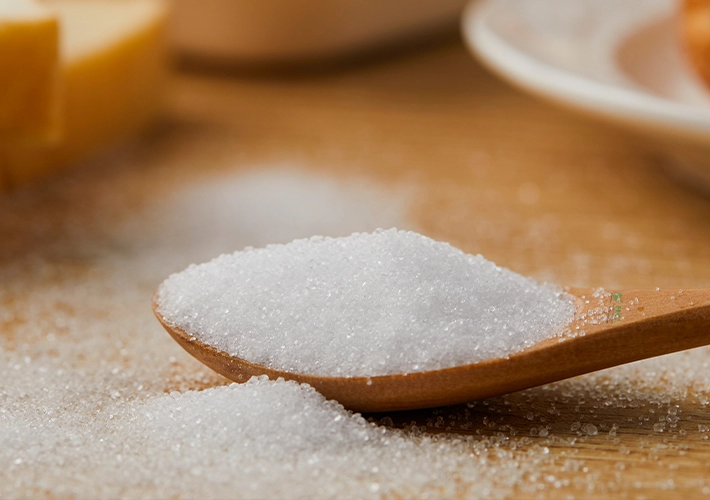
Sweetness is not one number. A useful sensory trial separates onset, peak intensity, body, aftertaste, bitterness, cooling, and how long the finish remains. Product teams should compare the blend with the current formula and with a sucrose reference, using coded samples rather than labels that reveal which version contains the new sweetener.
Once a ratio performs well, repeat the test after the real process. Pasteurization, baking, spray drying, fermentation, storage, and packaging can change the balance. Keep the approved formula, sample lot, dosage, mixing order, and sensory notes together. That record becomes the bridge between R&D approval and the first bulk delivery.
The phrase fully certified is useful only when both parties define it. A factory certificate, a food safety management certificate, a religious certificate, a non-GMO document, and an ingredient regulatory assessment answer different questions. One certificate does not replace the others, and a certificate held by the manufacturer may not automatically cover every blend, production line, carrier, or destination market.
Buyers reviewing HuachengBio can request current files for NSF-cGMP, ISO 9001, ISO 22000, BRC, SC(QS), TUV, GRAS, Non-GMO Project, Kosher, and Halal, which the company identifies among its quality credentials. The review can also cover the internal sensory, physical and chemical, microbiology, and precision-instrument laboratories within HuachengBio's quality assurance and quality control framework, plus the role of third-party testing.
For a real order, request the current certificate, holder name, site address, scope, issue and expiry dates, and the exact product or process covered. GRAS status should be checked against the specific ingredient identity and intended use; it is not a blanket certificate for every finished blend. The same discipline applies to organic, non-GMO, Kosher, Halal, allergen, and market-entry claims.
| Document layer | What it supports | Buyer check |
|---|---|---|
| Site and system | Manufacturing and food safety controls. | Certificate holder, production site, scope, audit standard, and validity. |
| Product specification | The commercial identity of the ordered blend. | Ingredient list, assay, sweetness target, appearance, test methods, and storage. |
| Lot quality | Release of the material being shipped. | COA, microbiology, heavy metals, identity, moisture, and any agreed limits. |
| Market and claim | Use and labeling in the destination market. | Ingredient status, intended use, carrier status, label wording, and customer requirements. |
| Customer-specific files | Approval by a brand, retailer, or contract manufacturer. | Allergen, non-GMO, Kosher, Halal, origin, traceability, SDS, TDS, and questionnaires. |
Bulk availability is not proven by a large capacity number alone. It depends on whether the production line, raw materials, release testing, packaging, lead time, and change-control process can keep the approved sensory profile within specification. A sample that cannot be tied to the commercial process creates risk for both R&D and procurement.
For capacity review, buyers can begin with HuachengBio's stated 15,000-metric-ton annual. A 10-20 g free sample, or enough material for detection, is available for the blend. Sample access and installed capacity make scale-up discussion possible, but buyers should still confirm MOQ, available pack sizes, current lead time, production slot, shelf life, Incoterms, and the capacity assigned to the exact grade.
Use the pilot order to compare the approved bench sample with material produced under commercial conditions. Retain samples from both lots, agree on the reference standard, and define what happens if a future lot meets the written assay but fails the agreed sensory benchmark.
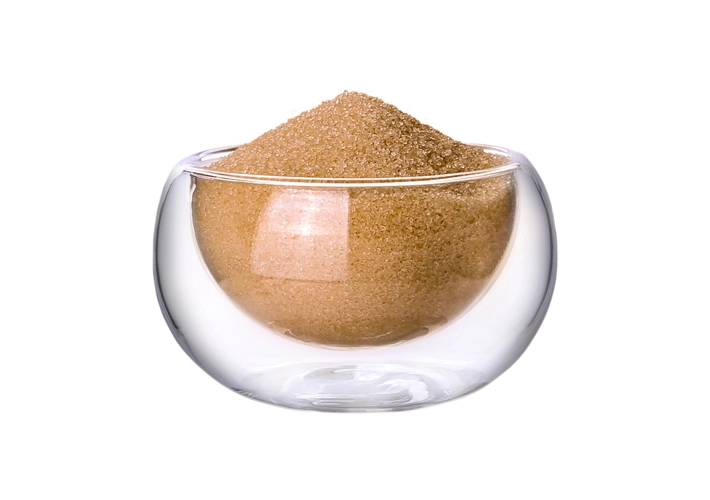
For the H2-Luo blend, the starting QC panel covers appearance, taste, loss on drying, heavy metals, arsenic, total plate count, yeast and mold, E. coli, and Salmonella. H2-Via Stevia Extract is available in RA 50%-99% and RM 95% options with HPLC as the assay method. These are useful starting points, not a substitute for an agreed finished-blend specification.
The final test plan should reflect the real formula. If erythritol or allulose provides most of the mass, identity and purity controls for that carrier matter. If the product will be sold in small packets, blend uniformity and bulk density can affect serving consistency. For a clear drink, color and solubility may deserve tighter limits. For a customer with strict contaminant controls, pesticide residues, residual solvents, or additional elemental limits may need to be added to the purchase specification.
A blend supplier is more useful when it can discuss the ingredients before they are blended. HuachengBio combines monk fruit, stevia, blend production, application support, and an integrated industry chain that covers planting, R&D, manufacture, and QC. That gives product teams a practical route for comparing a ready-made blend with a custom ratio or a different carrier system.
The next step is not an immediate container order. Send the product matrix, sweetness benchmark, destination market, document checklist, expected annual volume, and launch timing. Then request the proposed grade, sample, preliminary dosage, current certificates, specification, indicative bulk terms, and a plan for pilot approval.
Share your application, target sweetness, process conditions, destination market, required certificates, pack size, and annual forecast with HuachengBio. The technical and commercial teams can then recommend a monk fruit and stevia blend route, prepare the relevant document package, and confirm current bulk terms for the selected grade.
Contact HuachengBio for samples and quotationThe two ingredients have different sweetness profiles. A well-designed ratio can improve onset, peak sweetness, finish, and cost in use compared with relying on either ingredient alone.
Not automatically. Some commercial blends are designed for sugar-like use, but the equivalence depends on extract grades, ratio, carrier, bulk density, and whether the claim is based on weight or volume.
Request the certificates required by the destination market and customer, then check the holder, site, scope, validity, and product coverage. The file set may include food safety, quality management, Kosher, Halal, non-GMO, allergen, origin, and regulatory documents.
A blend may be suitable for several categories, but each product needs its own dosage, sensory, process, stability, and shelf-life testing. Sugar's bulk and texture functions must also be rebuilt where they matter.
Approve the exact specification and commercial sample, review the lot-release documents, confirm MOQ, packaging, lead time, shelf life, Incoterms, forecast, change control, and the process for handling sensory or specification deviations.
Bulk approval should connect taste, specification, documents, and supply terms. When those four pieces refer to the same grade and production process, a monk fruit and stevia blend becomes a manageable commercial ingredient rather than an open-ended formulation risk.







 EN
EN EN
EN CN
CN ES
ES PT
PT SV
SV DE
DE TR
TR FR
FR AR
AR BG
BG HR
HR CS
CS DA
DA NL
NL FI
FI EL
EL HI
HI IT
IT JA
JA KO
KO NO
NO PL
PL RO
RO RU
RU CA
CA TL
TL IW
IW ID
ID LV
LV LT
LT SR
SR SK
SK SL
SL UK
UK VI
VI SQ
SQ ET
ET GL
GL HU
HU MT
MT TH
TH FA
FA AF
AF MS
MS GA
GA BE
BE UZ
UZ