
 EN
EN EN
EN CN
CN ES
ES PT
PT SV
SV DE
DE TR
TR FR
FR AR
AR BG
BG HR
HR CS
CS DA
DA NL
NL FI
FI EL
EL HI
HI IT
IT JA
JA KO
KO NO
NO PL
PL RO
RO RU
RU CA
CA TL
TL IW
IW ID
ID LV
LV LT
LT SR
SR SK
SK SL
SL UK
UK VI
VI SQ
SQ ET
ET GL
GL HU
HU MT
MT TH
TH FA
FA AF
AF MS
MS GA
GA BE
BE UZ
UZ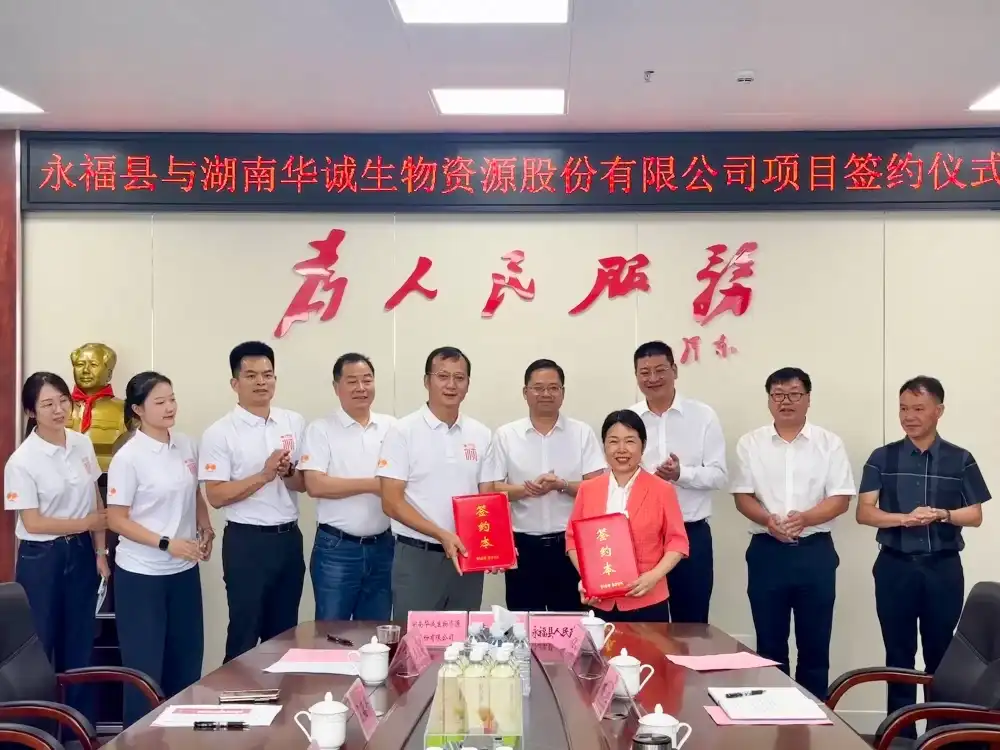
Huacheng Bio: Building Momentum for the Future, Sharing New Beginnings
Huacheng Bio has officially entered a new chapter with the formal establishment of its new...
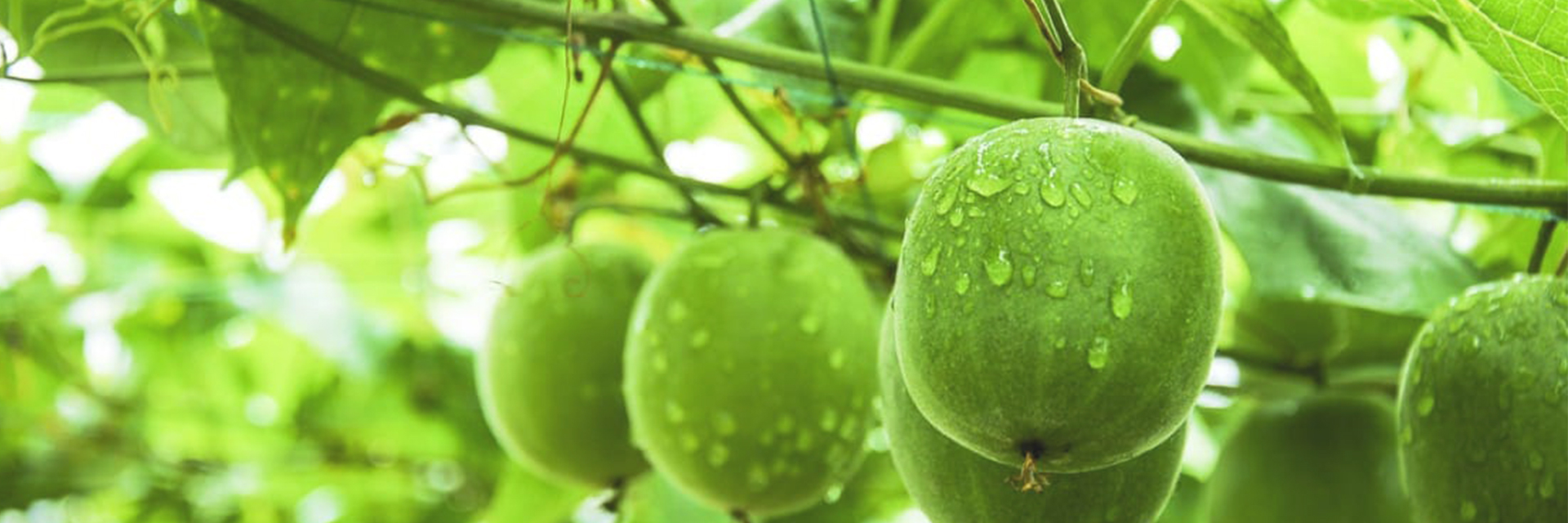
Stevia Extract Liquid: Certified, Cost-Efficient Supply from China
Stevia extract liquid buyers often start with a spec sheet. What gets overlooked is how the stuff is actually made—and whether the supply chain can keep up without wild price swings. Huacheng Biotech runs a vertically integrated operation in China, from leaf sourcing to final liquid extraction. That setup means fewer intermediaries and more control over cost and consistency. The plant holds FDA, HACCP, GMP, BRC, and CE certifications, which matter less for marketing and more for the audit trail: every lot comes with documentation that stands up to scrutiny. In practice, R&D teams ask about solubility at low pH, microbial loads, and glycoside profiles. Those numbers are checked in-house, not just on paper. The technical staff speaks formulation, not sales talk, and they’ve seen enough real-world applications to know what pitfalls to avoid. If you’re tired of chasing suppliers who promise a lot and deliver little, here’s a closer look at how this facility makes liquid stevia and why it holds up when orders get real.
Technical Detail
Huacheng Biotech’s liquid stevia extract begins with stevia leaves contracted from growers in China’s stevia belt. The extraction line runs a water and food-grade ethanol process, no aggressive solvents. The output is a concentrated liquid with steviol glycoside content pegged between 60% and 95% on a dry basis, depending on the grade. Within that range, you can request a Reb A–forward profile or a higher Reb M fraction for cleaner taste. The facility’s annual throughput is north of 500 metric tons in stevia equivalents, so mid-size orders don’t sit waiting for weeks. Internal QC runs HPLC to nail down glycoside composition, along with microbial plating and heavy metal scans that match USP or EP monographs. The BRC certification and FDA registration aren’t just wall art—they signal that the place has been walked through by auditors who check traceability, pest control, and sanitation. For liquid applications in beverages, dairy, or liquid sweeteners, pH stability and clarity matter. The lab maintains stability curves for typical pH ranges and can suggest small formulation adjustments if you run into precipitation. Because Huacheng owns the extraction and purification steps, there’s no trading-company layer inflating the price or muddying the paper trail. The technical team can also supply sample kits for benchtop trials and help interpret the results. When you need more than a quote—like a REACH dossier or a clean label statement—the documentation is already digitized. That direct, engineering-minded approach to supply fits brands that need both regulatory confidence and a partner who won’t suddenly change the terms when demand spikes.
News
Huacheng Bio has officially entered a new chapter with the formal establishment of its new...
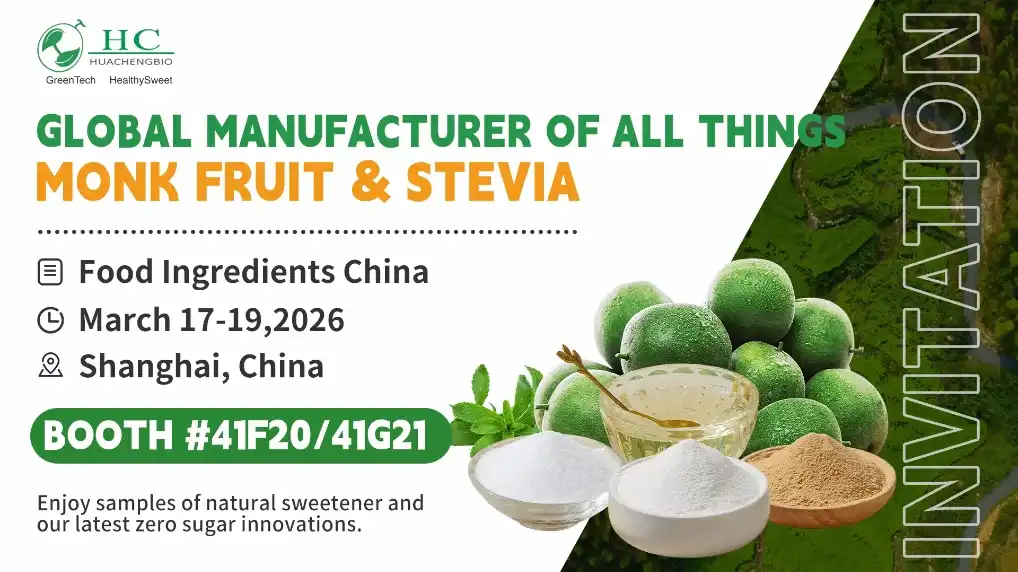
Join Us at Food Ingredients China (FIC) 2026! March 17–19, 2026 Hall 4.1 | Booth...

As a global leader in natural, health‑forward sweetening solutions, we will be present at ...
Products
FAQ
The manufacturing site holds BRC Global Standard for Food Safety, HACCP, GMP, and FDA registration. CE certification also applies for relevant equipment and process safety. These are subject to regular surveillance audits.
Yes. The extraction line can adjust the Reb A, Reb M, and other glycoside ratios by blending different purification streams. You would define the target profile, and the QC team sets the blend spec. There’s typically a minimum run size for a custom liquid blend, but it’s worth asking for your volume.
From receipt of confirmed PO and agreed-upon spec, standard orders ship within 15–25 working days. Larger volumes or first-time orders requiring new documentation may add a week. The production planner can give a firm timeline after checking current line scheduling.
Each batch is tested in-house by HPLC against a reference standard. Microbial and heavy metal limits are checked per USP/EP protocols. Records are kept digitally, and samples are retained for at least the shelf life of the product, so you can request a trend analysis if needed.
Share your product type, target capacity, and application requirements. Our team can review the details and recommend a practical next step.