
 EN
EN EN
EN CN
CN ES
ES PT
PT SV
SV DE
DE TR
TR FR
FR AR
AR BG
BG HR
HR CS
CS DA
DA NL
NL FI
FI EL
EL HI
HI IT
IT JA
JA KO
KO NO
NO PL
PL RO
RO RU
RU CA
CA TL
TL IW
IW ID
ID LV
LV LT
LT SR
SR SK
SK SL
SL UK
UK VI
VI SQ
SQ ET
ET GL
GL HU
HU MT
MT TH
TH FA
FA AF
AF MS
MS GA
GA BE
BE UZ
UZ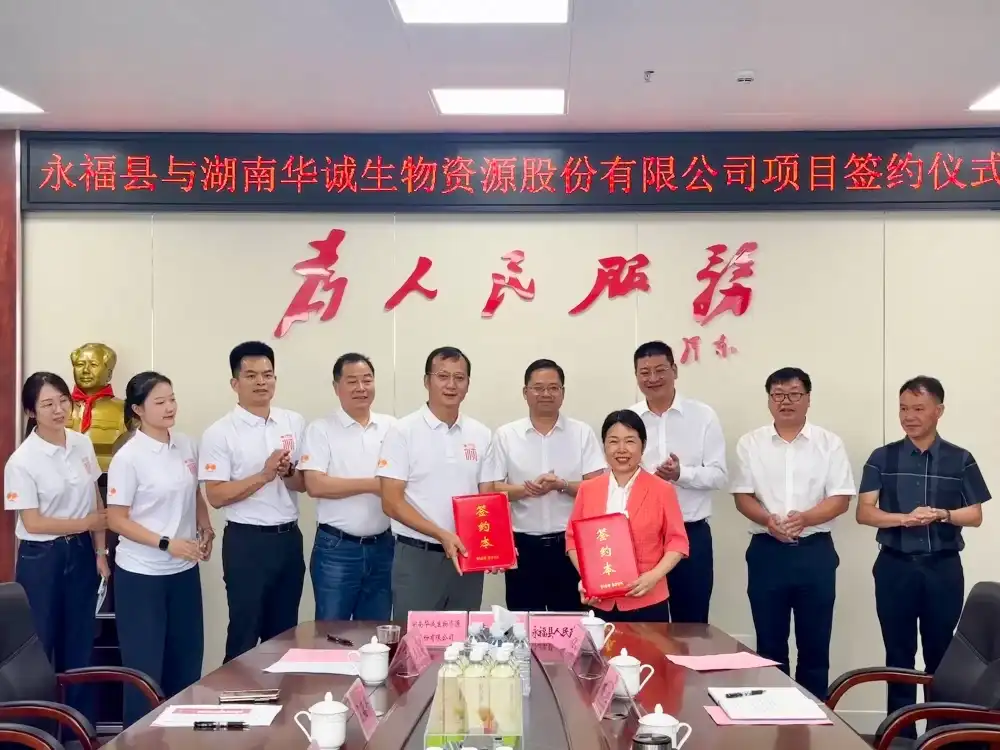
Huacheng Bio: Building Momentum for the Future, Sharing New Beginnings
Huacheng Bio has officially entered a new chapter with the formal establishment of its new...
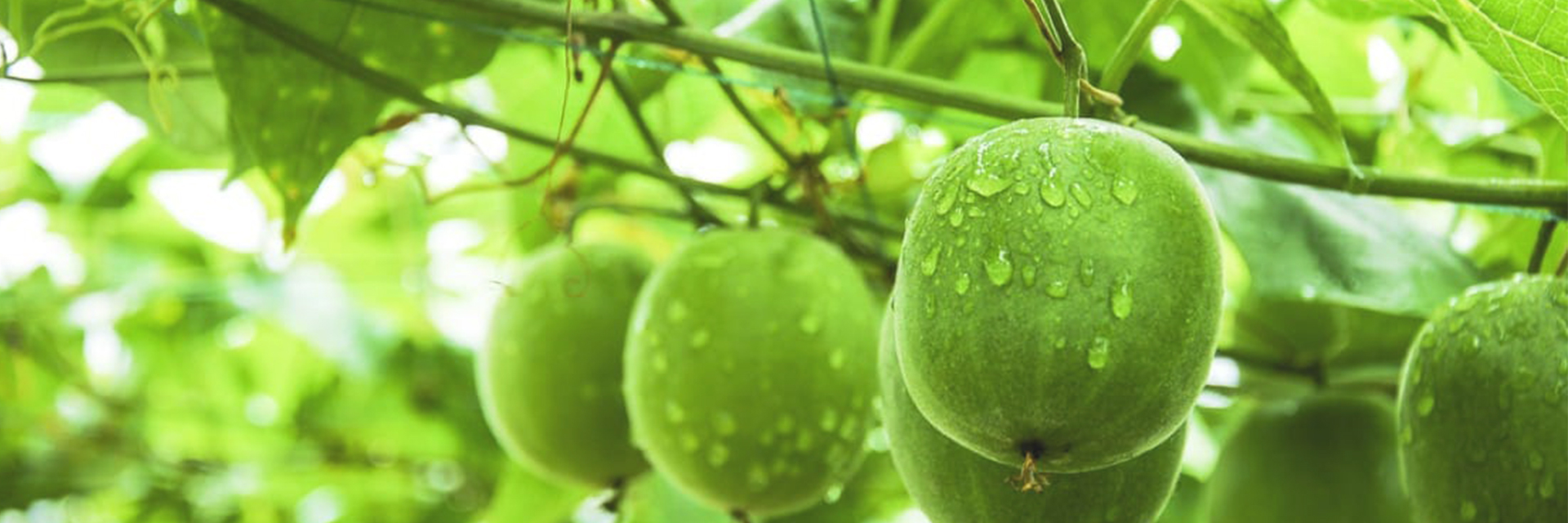
China Stevia Stevia Extract: Production-Scale Supply, Technical Consistency
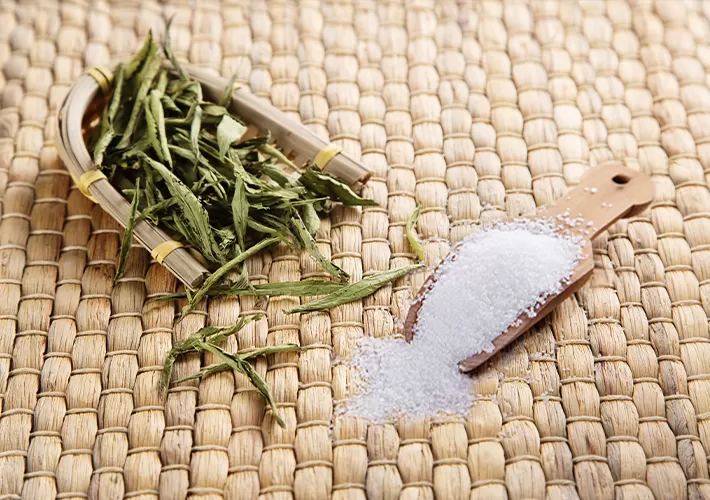
Stevia extract from China now moves in container loads, not sample parcels. Huacheng Biotech runs its own stevia leaf sourcing and refining lines in Hunan, which keeps per-kilo costs predictable. That matters if your formulation depends on a steady, budget-friendly sweetener without last-minute reformulation. The plant holds FDA, HACCP, GMP, CE, and BRC certifications—a set of paperwork that R&D and QA teams typically ask for at first contact. Instead of blending and repacking from spot markets, the company manages steviol glycoside extraction from leaf to finished powder, with in-house capacity that buffers seasonal leaf price swings. For product developers, this means the Rebaudioside A 97% or 98% you test today comes from the same processing line that ships next quarter. The technical team regularly answers questions about solubility, sweetness curve adjustment, and heat stability—typical concerns when replacing artificial sweeteners. In the following sections, we break down what that supply chain control means for your sourcing routine.
Technical Detail
Huacheng Biotech positions itself at the budget-sensitive end of the natural sweetener market, but not by cutting corners on extraction hygiene. Their approach leans on vertical integration: contracted stevia leaf farms in southern China feed directly into a solvent-free water extraction and ion-exchange purification process. The resulting stevia extract meets USP and EP monographs for total steviol glycosides, with common specifications like Reb A 97% or Reb A 98% granule or powder. Because the site handles multiple unit operations—from crude extract to refined glycoside crystals—they can offer technical stevia blends that balance sweetness onset and lingering aftertaste without sending the project to a third-party formulator. Annual wet leaf processing capacity reaches several thousand metric tons, which translates into reliable bulk availability even when spot prices fluctuate. Certifications stack up in a practical way: BRC Grade A ensures food-safety management, HACCP covers hazard controls, and FDA registration clears US customs without drama. The QC lab runs HPLC daily for steviol glycoside profiles, and retains samples for three years—common in pharma, less so in food ingredients. For R&D teams, that means a lot-to-lot consistency report is never more than an email away. The facility also holds a patent portfolio covering extraction and purification methods, a signal that the engineering behind the product is not just a copy of industry norms. In short, this is a supplier that competes on industrial efficiency, not marketing gloss, and the cost structure reflects that.
News
Huacheng Bio has officially entered a new chapter with the formal establishment of its new...
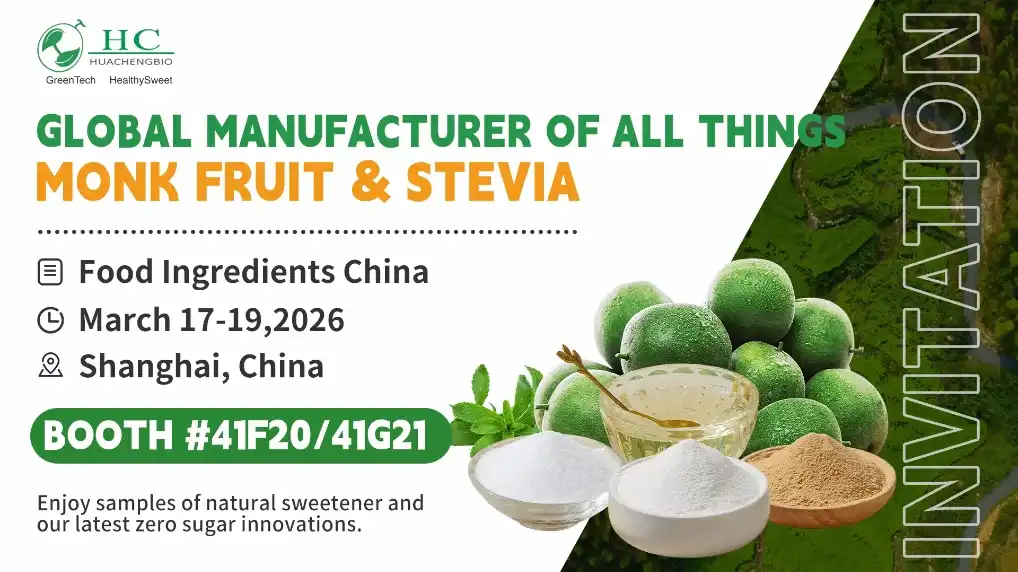
Join Us at Food Ingredients China (FIC) 2026! March 17–19, 2026 Hall 4.1 | Booth...
As a global leader in natural, health‑forward sweetening solutions, we will be present at ...
Products
FAQ
Reb A 97% and 98% are the workhorse items, in both powder and granule form. Granules flow better in automated blending lines, and the particle size can be adjusted within a range if that matters for your mixing process. The team also formulates stevia blends with other glycosides to smooth out sweetness profiles, but that is project-specific.
Because Huacheng directly contracts with growers and runs its own extraction capacity, it stocks intermediate and finished goods ahead of seasonal gaps. That is a different setup from traders who buy extract on the spot market. Planning a quarterly forecast with them early usually locks in availability and pricing.
Yes, they provide current certificate scans during vendor qualification. The BRC is Grade A and the FDA registration is active. If your QA team needs an on-site audit, that can be arranged, though travel schedules need coordination.
Their application lab can run basic solubility and pH stability tests on your sweetener matrix. They do not do full product formulation, but they can supply comparative sweetness curves and recommend starting use levels so you do not have to reinvent that data yourself.
Since they control the leaf-to-extract chain, pricing is less jumpy than brokers who depend on intermediate markets. For repeat orders, they typically lock a price for a set term, which helps R&D teams avoid sudden cost surprises mid-project.
Share your product type, target capacity, and application requirements. Our team can review the details and recommend a practical next step.