
 EN
EN EN
EN CN
CN ES
ES PT
PT SV
SV DE
DE TR
TR FR
FR AR
AR BG
BG HR
HR CS
CS DA
DA NL
NL FI
FI EL
EL HI
HI IT
IT JA
JA KO
KO NO
NO PL
PL RO
RO RU
RU CA
CA TL
TL IW
IW ID
ID LV
LV LT
LT SR
SR SK
SK SL
SL UK
UK VI
VI SQ
SQ ET
ET GL
GL HU
HU MT
MT TH
TH FA
FA AF
AF MS
MS GA
GA BE
BE UZ
UZ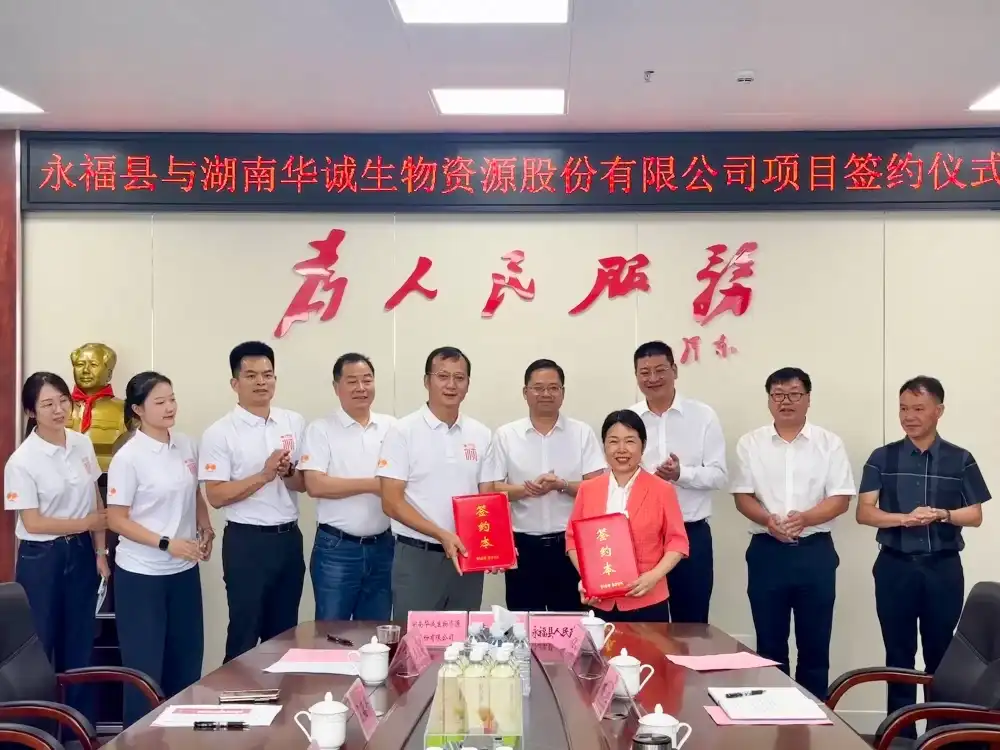
Huacheng Bio: Building Momentum for the Future, Sharing New Beginnings
Huacheng Bio has officially entered a new chapter with the formal establishment of its new...
Affordable Liquid Monk Fruit Sweetener Substitute
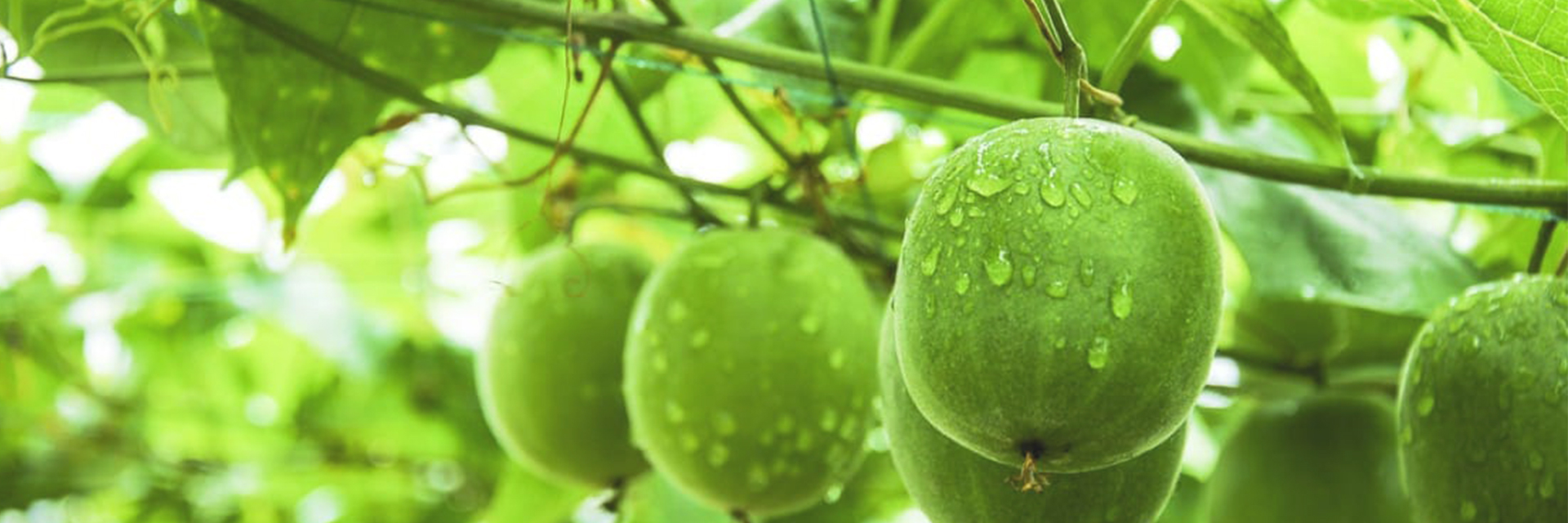
When a beverage developer needs to cut sugar without aftertaste or cost surprises, liquid monk fruit concentrate often ends up on the short list. It blends easily, handles heat, and doesn’t leave a lingering artificial note. Hunan Huacheng Biotech, a plant extract supplier with in-house industry chain control, focuses on making this zero-calorie sweetener accessible at a budget-friendly price point. The company’s mission—bringing natural, zero-calorie healthy sweeteners to everyone—translates into practical, scalable supply for food and drink manufacturers. The liquid format simplifies batching in high-throughput lines, and consistent quality from lot to lot means fewer adjustments down the production pipeline. Whether you’re formulating a sports drink, a flavored syrup, or a dairy dessert, a liquid monk fruit substitute can slot into existing recipes with minimal reformulation work. Backed by certifications like FDA, BRC, and HACCP, these extracts are produced in monitored environments that align with global safety expectations. The result is a straightforward ingredient that supports clean labels and sugar reduction goals, without driving up the bill of materials.
Technical Detail
A liquid monk fruit sweetener substitute offers a practical route for manufacturers aiming to reduce sugar while keeping a natural ingredient deck. Hunan Huacheng Biotech produces this extract with a focus on cost efficiency, leveraging control from raw monk fruit sourcing to final packing. The liquid form dissolves almost instantly in cold or hot bases, removing the pre-mixing steps often needed with powders. Its stability across pH ranges and thermal processing makes it a candidate for everything from acidic soft drinks to baked goods that hit high oven temperatures. Monk fruit’s sweetness compounds, mogrosides, are not metabolized for energy, so the zero-calorie claim holds without off-tastes associated with some high-intensity sweeteners. From a technical standpoint, the extract can be standardized to a consistent sweetness profile, helping food technologists maintain batch predictability. The supplier holds FDA registration, BRC, HACCP, GMP, and CE certifications, which signal adherence to food safety and quality management systems without overpromising on niche or unverifiable claims. These credentials support export readiness, making the ingredient practical for markets with strict regulatory frameworks. Applications span beverages, sauces, dairy, confectionery, and supplements. In clear drinks, the liquid version typically avoids the cloudiness some powders introduce, contributing to visual appeal. For bakeries, the high solubility means even dispersion in batters and doughs. The company’s mission to deliver natural, zero-calorie sweeteners globally aligns with a budget positioning—keeping per-kilogram sweetness cost competitive without sacrificing the clean-label value that monk fruit brings. By choosing a supplier that controls the industry chain, buyers can often negotiate more favorable terms and secure traceable lot histories. This approach turns a specialty sweetener into a viable mainstream ingredient for brands that want to stay on top of sugar reduction trends without inflating product costs.
News
Huacheng Bio has officially entered a new chapter with the formal establishment of its new...
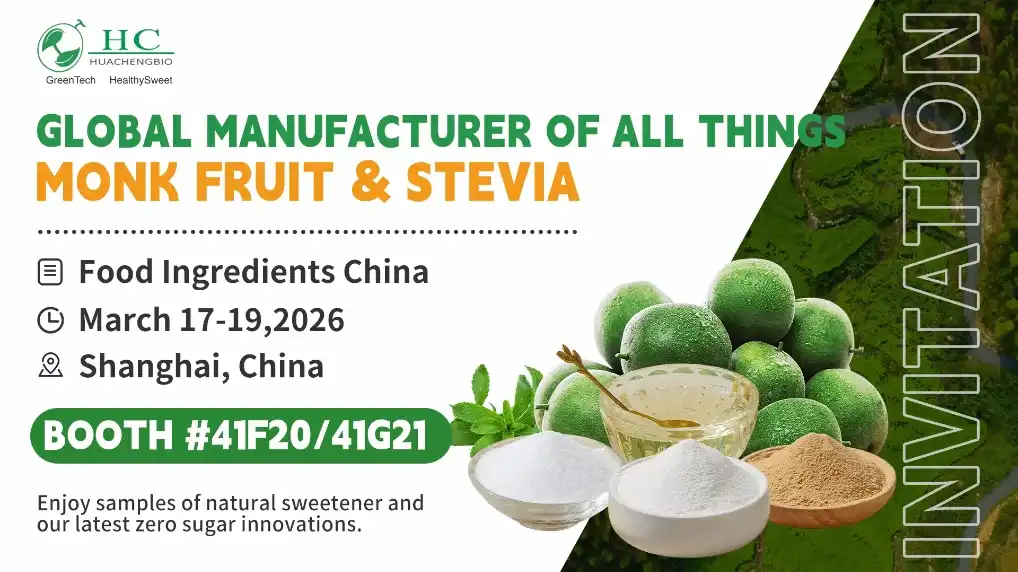
Join Us at Food Ingredients China (FIC) 2026! March 17–19, 2026 Hall 4.1 | Booth...

As a global leader in natural, health‑forward sweetening solutions, we will be present at ...
Products
FAQ
The liquid version mixes directly into aqueous systems without the need for pre-dissolving, which can save time in high-speed batching. Powders may require a solubilization step and can sometimes leave a fine sediment, while a well-made liquid typically stays clear and disperses uniformly. For formulations already using water or liquid phases, the liquid format is often simpler to meter and incorporate.
Yes. Monk fruit’s sweetening compounds are heat-stable under typical baking and pasteurization conditions. It will not break down or lose sweetness during cooking. The key is ensuring even distribution, which the liquid form facilitates since it blends readily into batters and doughs.
The production facility operates under FDA registration, BRC, HACCP, GMP, and CE certifications. These cover food safety management, quality control, and regulatory compliance for international distribution, giving buyers confidence in the ingredient’s safety and consistency.
A properly filtered liquid monk fruit extract usually remains transparent in solution and does not create haze or sediment in clear beverages. This makes it a practical choice for sparkling waters, ready-to-drink teas, and other transparent products where appearance matters.
Since monk fruit extract is intensely sweet, direct weight-for-weight replacement is not practical. Most formulators start by determining the target sweetness level, then adjust the liquid sweetener dose based on its standardized sweetness equivalency. Lab-scale trials with a few small batches are the most reliable way to dial in the exact ratio for a specific recipe.
Share your product type, target capacity, and application requirements. Our team can review the details and recommend a practical next step.