
 EN
EN EN
EN CN
CN ES
ES PT
PT SV
SV DE
DE TR
TR FR
FR AR
AR BG
BG HR
HR CS
CS DA
DA NL
NL FI
FI EL
EL HI
HI IT
IT JA
JA KO
KO NO
NO PL
PL RO
RO RU
RU CA
CA TL
TL IW
IW ID
ID LV
LV LT
LT SR
SR SK
SK SL
SL UK
UK VI
VI SQ
SQ ET
ET GL
GL HU
HU MT
MT TH
TH FA
FA AF
AF MS
MS GA
GA BE
BE UZ
UZ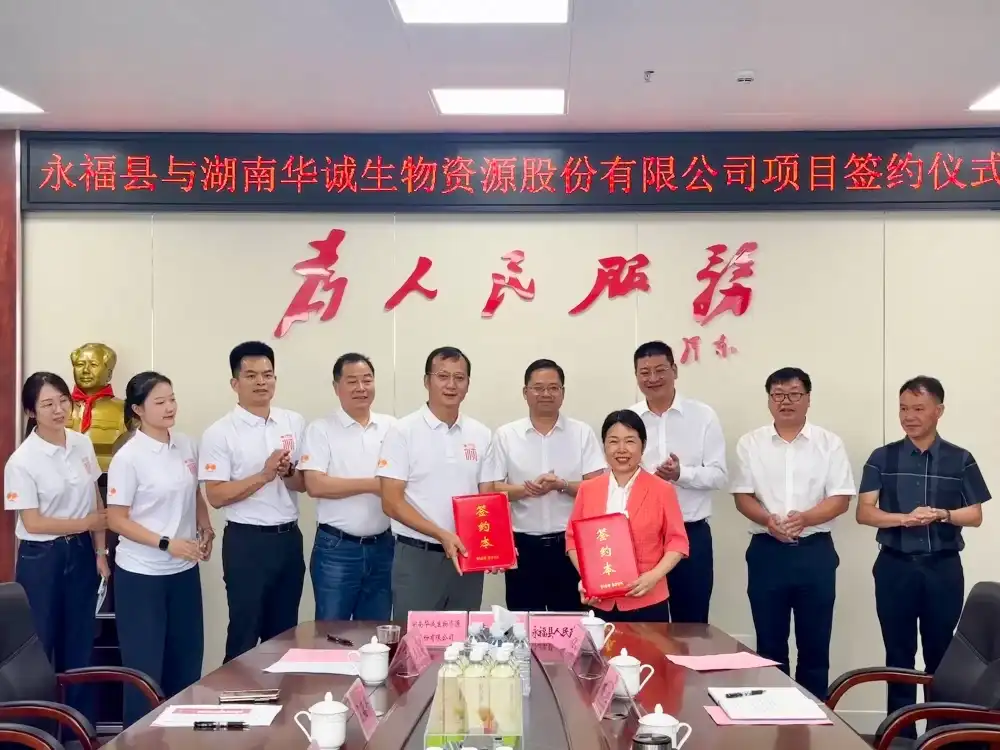
Huacheng Bio: Building Momentum for the Future, Sharing New Beginnings
Huacheng Bio has officially entered a new chapter with the formal establishment of its new...
Monk Fruit Extract Erythritol – Affordable Zero-Calorie Blend
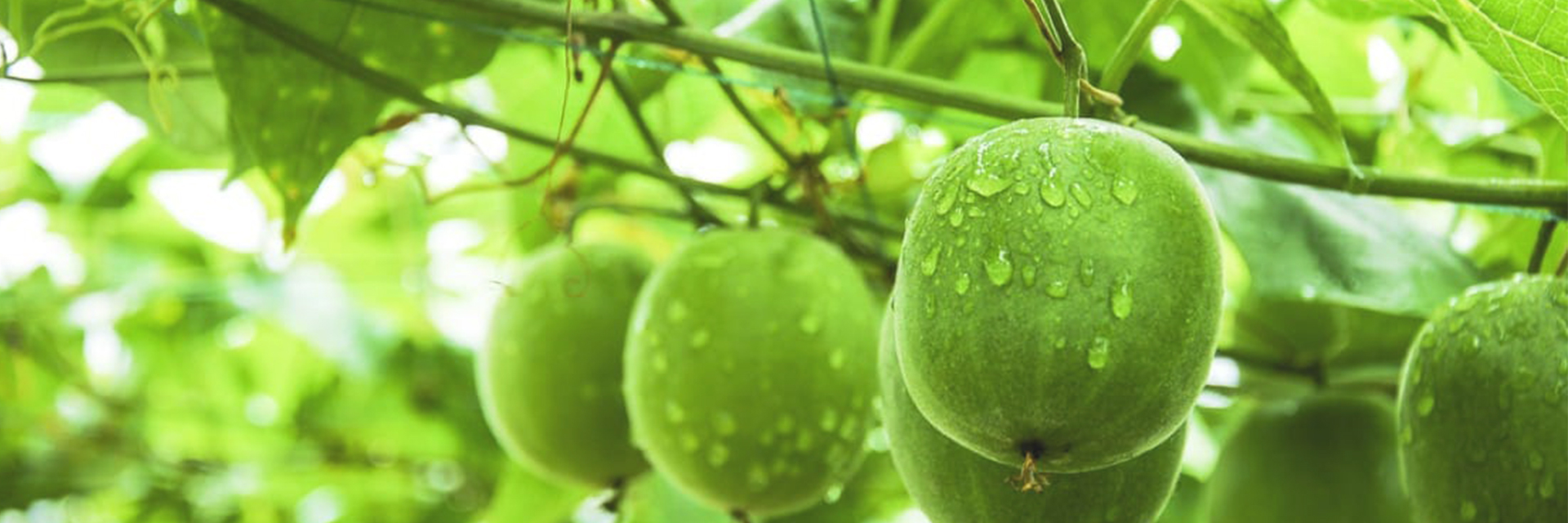
Monk fruit extract blended with erythritol gives formulators a cost-neutral path to sugar reduction. Instead of dealing with high finished costs from pure mogrosides, this combination keeps per-unit sweetener expense predictable. Huacheng, a supplier that handles its own monk fruit sourcing and processing, can pass on upstream savings, making the blend accessible for everyday applications like beverages, dairy, and sauces. The mix relies on erythritol’s bulk and mouthfeel while monk fruit’s mogroside V provides the high-intensity sweetness—typically calibrated so a 1:1 replacement by volume requires minimal recipe adjustment. Because the company operates under GMP and BRC certifications, traceability and consistency from batch to batch become selling points rather than claims. Molasses-like or bitter off-notes, common with cheaper dried fruit extracts, are largely absent in the refined concentrate used here. For manufacturers that already work with granulated erythritol, switching to a pre-blended product just removes one weighing step on the floor.
Technical Detail
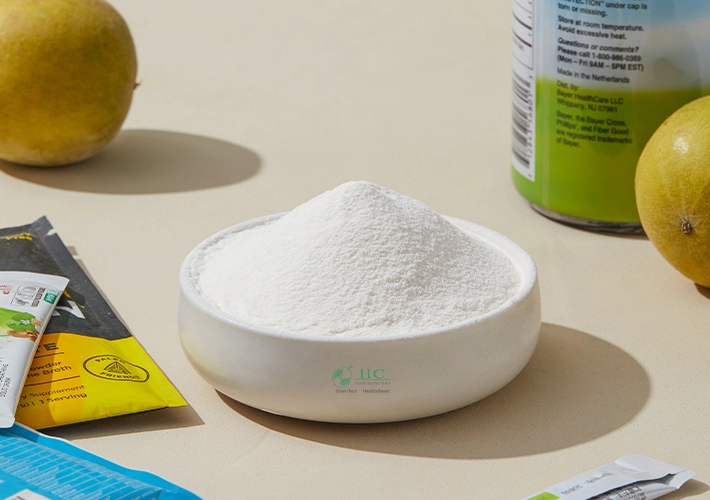
Industrial sweetener blends often fail when they ignore calorie goals or metabolic impact. The monk fruit erythritol combination sidesteps both problems without leaning on expensive exotic ingredients. Erythritol contributes roughly 70% of the sweetness of sucrose and provides the crystalline structure needed for baking and tabletop formats, while monk fruit extract—specifically a standardized mogroside V concentrate—compensates the remaining sweetness gap and rounds out the time-intensity curve. Unlike some stevia blends, the profile lacks lingering licorice or metallic notes, which simplifies flavor masking in delicate products like vanilla yogurt or clear sparkling water. Huacheng’s vertical integration—from monk fruit cultivation in Hunan to spray drying in ISO 22000 facilities—removes middleman markups that usually inflate blend pricing. The final product arrives as a fine white powder, typically with a mesh size suitable for dry blending, and dissolves rapidly in water without cloudiness. Typical usage ratios start at 1:1 with sugar by weight, though customers can request custom mogroside content to hit specific sweetness targets. Certifications covering FDA registration, HACCP, GMP, BRC, and CE support straight documentation for import clearance. Application labs can advise on how to adjust bulking agents or acidifiers when switching from alternatives like maltitol. For brands that market “natural zero calorie” claims, this blend satisfies label requirements that erythritol alone cannot because monk fruit delivers the sweet signal without artificial perception.
News
Huacheng Bio has officially entered a new chapter with the formal establishment of its new...
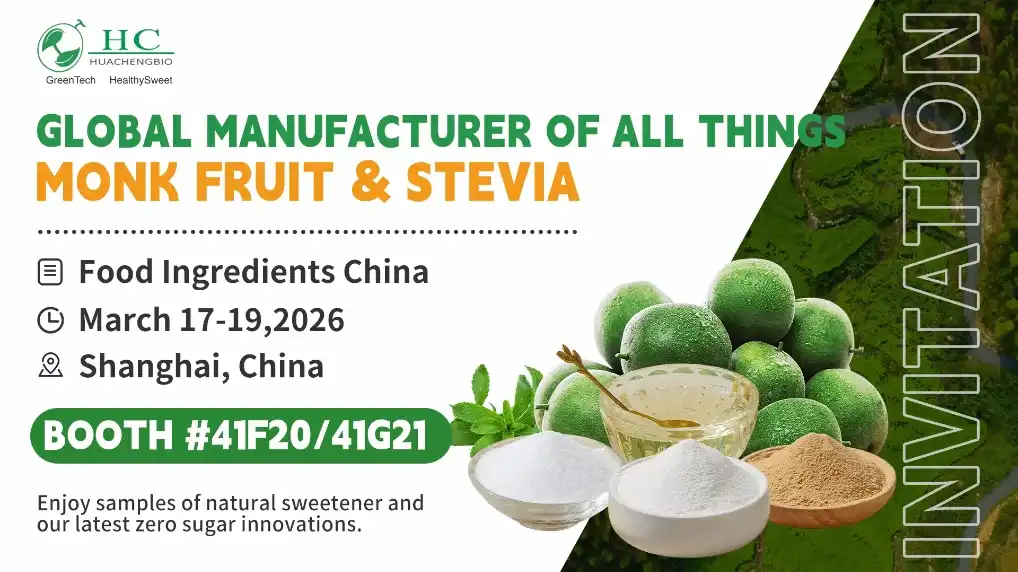
Join Us at Food Ingredients China (FIC) 2026! March 17–19, 2026 Hall 4.1 | Booth...

As a global leader in natural, health‑forward sweetening solutions, we will be present at ...
Products
FAQ
Ratios depend on the mogroside V concentration in the monk fruit extract, but most commercial blends use 1–2% monk fruit concentrate with 98–99% erythritol to approximate a 1:1 sugar replacement by volume. The exact number gets adjusted so that “one spoonful” matches the sweetness of one spoonful of sugar in a home kitchen or factory batch.
It works in most baked goods where sugar contributes sweetness and bulk because erythritol adds the necessary crystalline structure and some browning. Monk fruit doesn’t caramelize, so if a golden crust is essential, a small amount of reducing sugar or a compatible color additive may still be needed. It’s common in keto-friendly cake and cookie mixes.
Plain erythritol can create a noticeable cooling effect on contact with moisture. The blend’s cooling sensation is milder because the monk fruit fraction allows less erythritol per unit of sweetness compared to using erythritol alone. Feedback from texture panels is that it feels closer to sucrose in batters and beverages.
Standard minimum is 25 kg, packaged in multi-layer aluminum foil bags. For initial trials, a smaller sample can be arranged through your account manager. Lead time for samples is typically one week; bulk orders ship in 2–4 weeks depending on the destination.
Yes. Monk fruit extract is recognized as a natural sweetener in most markets, and erythritol occurs naturally in fruits and fermented foods. The blend fits “natural zero calorie” claims when produced without synthetic carrier systems. Huacheng’s documentation pack includes the necessary origin statements and allergen-free certificates to support clean label declarations.
Share your product type, target capacity, and application requirements. Our team can review the details and recommend a practical next step.