
 EN
EN EN
EN CN
CN ES
ES PT
PT SV
SV DE
DE TR
TR FR
FR AR
AR BG
BG HR
HR CS
CS DA
DA NL
NL FI
FI EL
EL HI
HI IT
IT JA
JA KO
KO NO
NO PL
PL RO
RO RU
RU CA
CA TL
TL IW
IW ID
ID LV
LV LT
LT SR
SR SK
SK SL
SL UK
UK VI
VI SQ
SQ ET
ET GL
GL HU
HU MT
MT TH
TH FA
FA AF
AF MS
MS GA
GA BE
BE UZ
UZ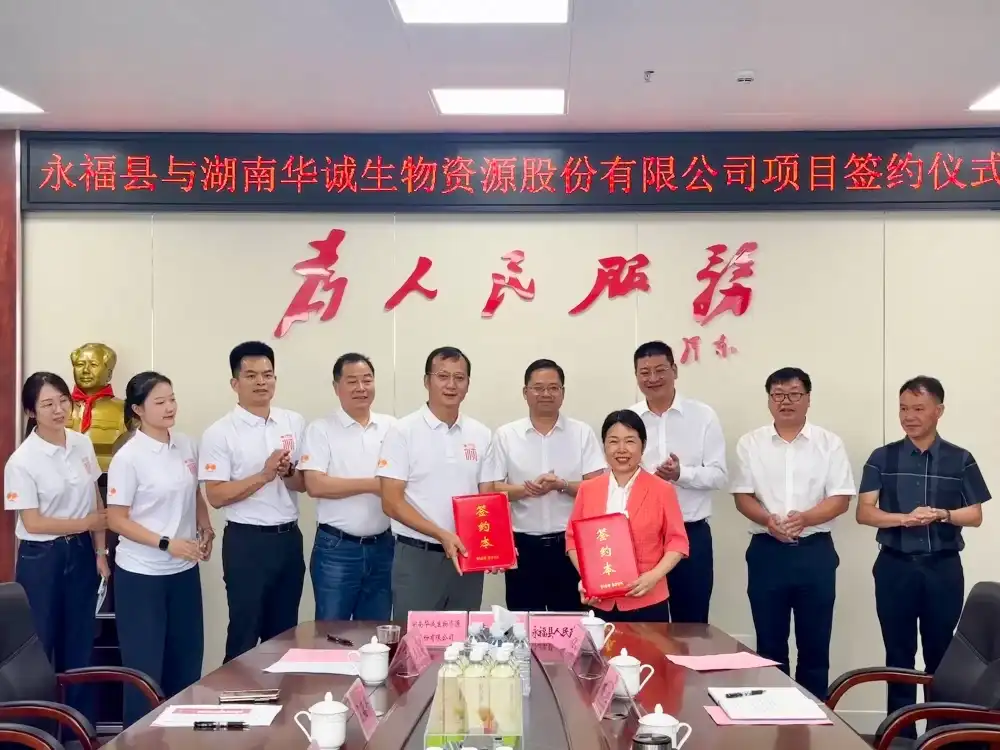
Huacheng Bio: Building Momentum for the Future, Sharing New Beginnings
Huacheng Bio has officially entered a new chapter with the formal establishment of its new...
Stevia and Monk Fruit Sweetener: Cost-Effective Bulk Supply
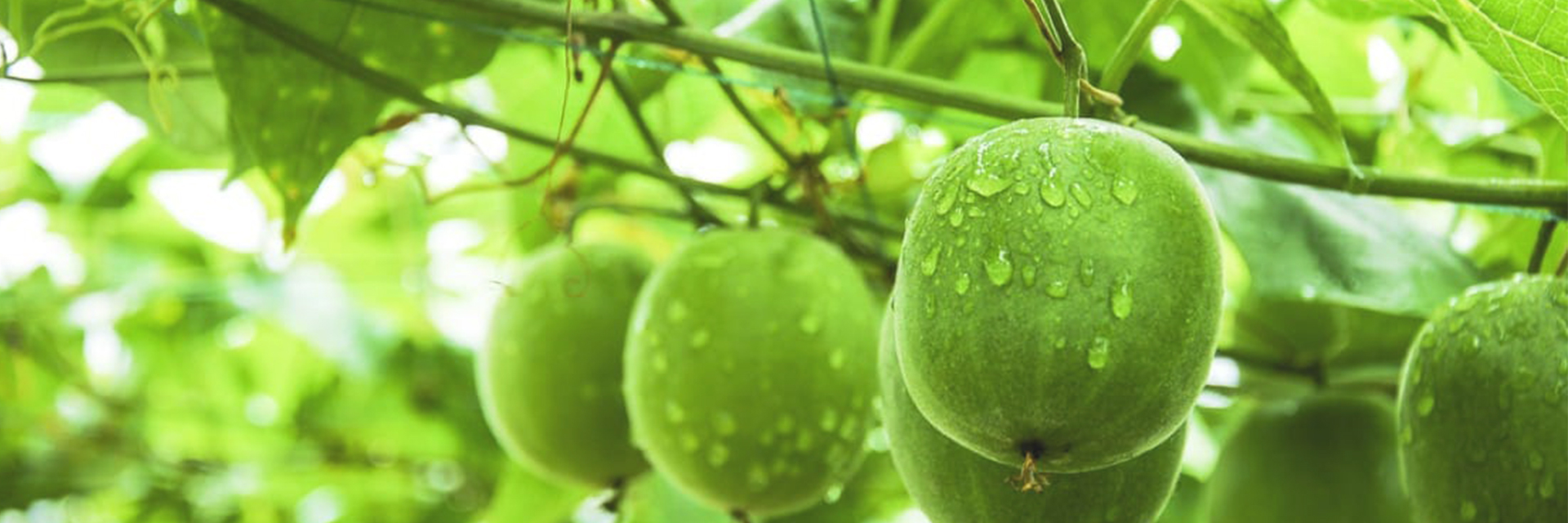
Stevia and monk fruit sweeteners each have their strengths—stevia offers high sweetness at low cost, while monk fruit brings a clean, sugar-like taste profile without bitterness. Blending them creates a sweetening system that balances flavor and economy, which is why many food and beverage manufacturers are switching from single-source sweeteners. Hunan Huacheng Biotech, a plant extract supplier with a full industry chain from planting to extraction, produces stevia and monk fruit sweetener blends at scale. Our vertical integration helps keep pricing lean, making it practical for budget-conscious projects without sacrificing technical performance. We hold multiple certifications including FDA, HACCP, GMP, CE, and BRC, so the material meets global safety and quality benchmarks. Whether you're formulating a zero-calorie carbonated drink, a dairy dessert, or a tabletop sweetener, these blends can be tailored to hit target sweetness and mouthfeel curves.
Technical Detail
Behind every clean-label product is a sweetener system that had to pass rigorous technical and cost hurdles. Our stevia and monk fruit sweetener blends are built for formulators who need to map sweetness profiles precisely while keeping ingredient costs within range. The starting point is our own supply chain: we manage monk fruit and stevia cultivation, harvest, extraction, and refinement under integrated operations. This cuts out third-party margins, making the final blend more affordable than what many standard toll extractors can offer. Each lot goes through HACCP and GMP-monitored processing, with certificates available for FDA, CE, and BRC compliance. The blends are standardized to consistent sweetness potency by high-purity steviol glycosides (typically Reb A, Reb M, or custom ratios) and mogrosides, with options for organic-grade material. Common applications include sugar-free beverages, dairy alternatives, condiments, and baked goods. For developers worried about aftertaste, the monk fruit component helps mask stevia's licorice notes, while stevia keeps the overall cost per sweetness unit low. We supply in bulk formats from pilot batches to multi-ton orders. Because we control the full chain, we also provide supported technical data: solubility curves, heat stability profiles, and pH tolerance ranges—practical information that helps product teams avoid reformulation delays. If your project calls for a natural, zero-calorie sweetening solution that doesn't blow the ingredient budget, these blends are worth a closer look.
News
Huacheng Bio has officially entered a new chapter with the formal establishment of its new...
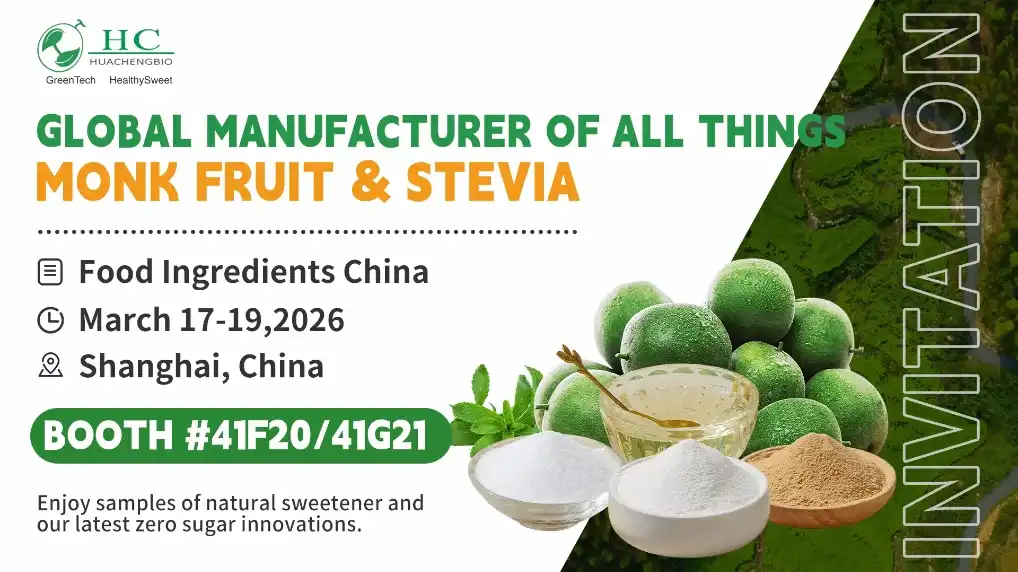
Join Us at Food Ingredients China (FIC) 2026! March 17–19, 2026 Hall 4.1 | Booth...

As a global leader in natural, health‑forward sweetening solutions, we will be present at ...
Products
FAQ
It depends on the sweetness profile you're after and the presence of bulking agents. In sugar-free cookies, a common starting point is a 60:40 stevia-to-monk fruit blend on a sweetness equivalency basis, because the monk fruit helps cover the lingering aftertaste that heat can amplify. Our technical team usually runs quick pilot tests with your base recipe to dial in the exact ratio.
Both steviol glycosides and mogrosides hold up well under typical pasteurization conditions (85°C to 95°C for 15–30 minutes). We haven't seen sweetness loss in our in-house thermal stability tests for still or carbonated drinks. That said, extreme retort conditions above 121°C may cause slight degradation, so we recommend pilot-scale validation for canned goods.
Yes. We can supply the sweetener as a dry blend in powder form, which is easier to handle for dry mixes and baking, or as a pre-dissolved liquid concentrate for beverage lines. The liquid version uses water or a propylene glycol base, depending on your process.
The stevia extract comes from non-GMO stevia leaves, and monk fruit is naturally non-GMO. Our supply chain is traceable back to the farms. Organic-grade options are also available upon request, backed by the necessary transaction certificates.
Monk fruit extract is pricier per sweetness unit than stevia. Blending the two typically brings the cost down to a range comparable to high-purity Reb A, sometimes even lower depending on the ratio. Since we manage the entire chain—from planting to extraction—we avoid many third-party markups, which helps keep pricing competitive for budget-conscious projects.
Share your product type, target capacity, and application requirements. Our team can review the details and recommend a practical next step.