
 EN
EN EN
EN CN
CN ES
ES PT
PT SV
SV DE
DE TR
TR FR
FR AR
AR BG
BG HR
HR CS
CS DA
DA NL
NL FI
FI EL
EL HI
HI IT
IT JA
JA KO
KO NO
NO PL
PL RO
RO RU
RU CA
CA TL
TL IW
IW ID
ID LV
LV LT
LT SR
SR SK
SK SL
SL UK
UK VI
VI SQ
SQ ET
ET GL
GL HU
HU MT
MT TH
TH FA
FA AF
AF MS
MS GA
GA BE
BE UZ
UZ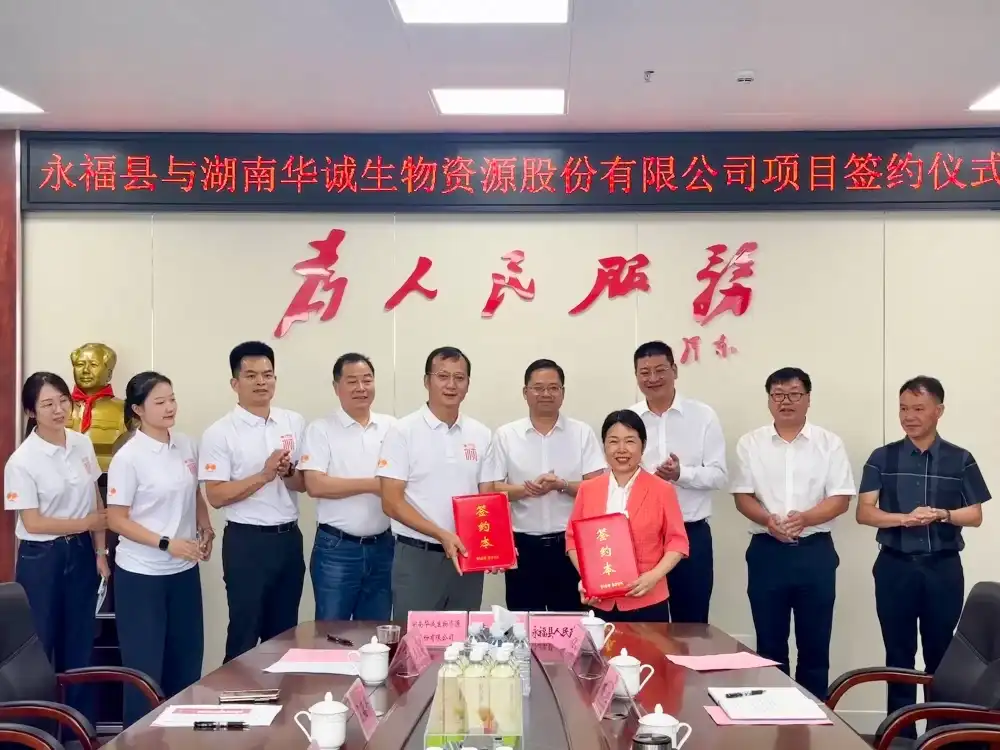
Huacheng Bio: Building Momentum for the Future, Sharing New Beginnings
Huacheng Bio has officially entered a new chapter with the formal establishment of its new...
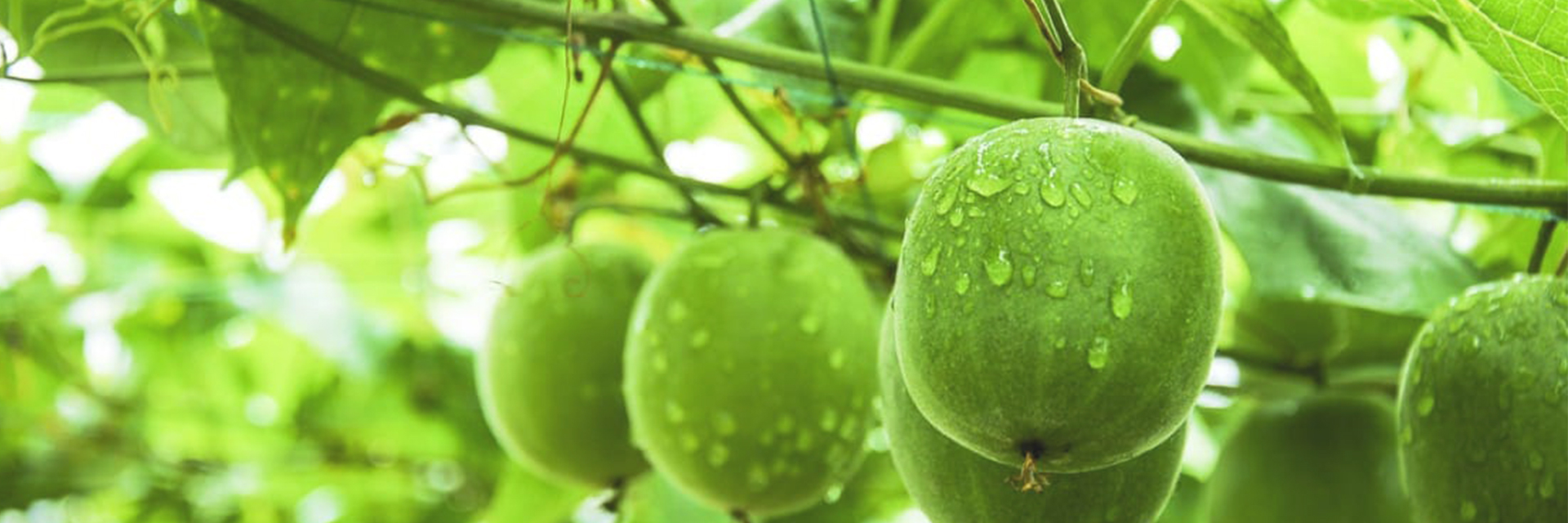
China Monk Fruit Juice Concentrate for Bulk Production
Monk fruit juice concentrate from China has become a practical choice for food and beverage manufacturers aiming to reduce sugar and calories without artificial additives. Hunan Huacheng Biotech, Inc. sits at the center of this shift, leveraging a fully integrated industry chain that spans from raw monk fruit cultivation in Guangxi to extraction and concentration in its own facilities. This vertical integration helps keep per-unit costs predictable, a factor that often matters more in large-volume projects than lab-scale sweetness levels. The company holds FDA, HACCP, GMP, BRC, and CE certifications, which means its processes undergo regular third-party audits. For product developers, that translates to fewer headaches when documenting supplier qualifications for regulatory reviews. Instead of navigating multiple intermediaries, you work directly with a source that handles quality control from field to finished concentrate. The result is a zero-calorie liquid sweetener that can be dosed into teas, sauces, dairy alternatives, and nutritional bars with consistent results and minimal supply disruption.
Technical Detail
Inside a typical order for monk fruit juice concentrate, the details that procurement teams care about extend beyond just ‘natural sweetener.’ For example, the extract’s mogroside V content is usually standardized to a range like 40–60% (or higher depending on concentration), and the liquid is often clarified to remove particulates that might interfere with clear beverage formulations. Hunan Huacheng Biotech works with these parameters daily, adjusting to match a client’s target brix or flavor profile. The company’s in-house labs run HPLC testing on each batch—not as a premium add-on, but as part of the standard QC protocol. This focus on consistency comes from a production infrastructure that includes multiple extraction lines, each capable of handling tens of thousands of liters per month. Such capacity makes budget-sensitive projects feasible: instead of ordering small drums from a broker and hoping for consistency, buyers can lock in annual contracts with volume-linked pricing. Certifications like BRC and HACCP are not just badges on a website; they mean the facility has documented allergen controls, traceability systems, and corrective action procedures that stand up to retailer audits. For EU-bound products, the CE mark indicates conformity with relevant directives, simplifying the paperwork for importers. When your development team needs to replace corn syrup or artificial sweeteners at scale, having a single supplier that controls the monk fruit supply chain—from picking to pasteurization—can cut lead time and freight surprises. That’s the kind of operational certainty a technically-minded buyer looks for, not a glowing review of sweetness feedback.
News
Huacheng Bio has officially entered a new chapter with the formal establishment of its new...
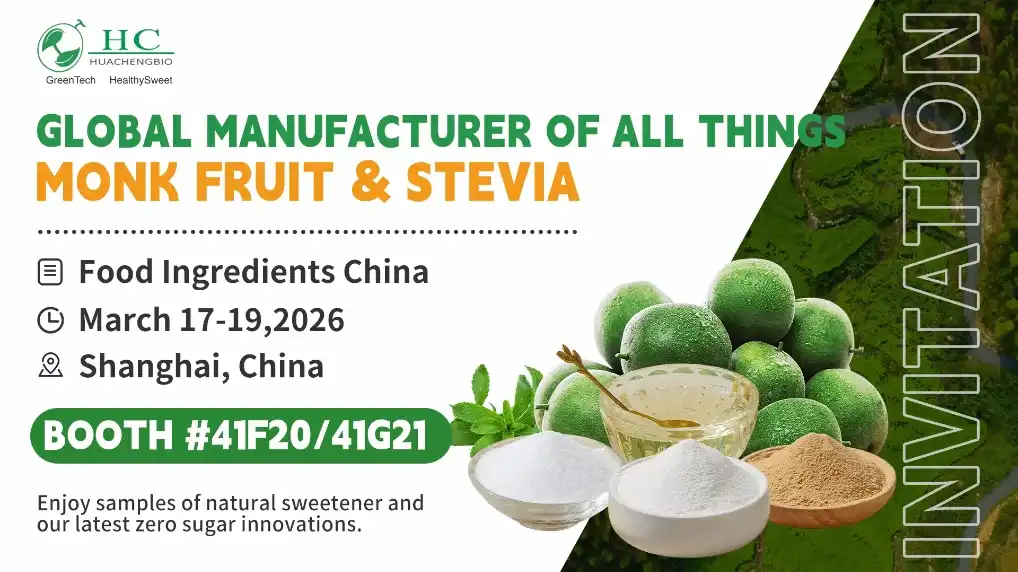
Join Us at Food Ingredients China (FIC) 2026! March 17–19, 2026 Hall 4.1 | Booth...

As a global leader in natural, health‑forward sweetening solutions, we will be present at ...
Products
FAQ
We supply statements of composition, allergen declarations, certificates of analysis (COA) showing mogroside V content and microbial limits, and copies of our facility’s BRC, HACCP, and FDA registration documents. For EU customers, we can also provide a CE declaration of conformity. These documents are updated every six months or per batch, whichever is more frequent.
Each production run is blotted against a reference standard. If a client requires a narrow sweetness tolerance, we adjust the concentration by blending process lots to hit a target mogroside V ±2%. The COA you receive reflects the exact analysis for your specific batch.
While we are a volume manufacturer, we do offer sample quantities (often 1–5 kg) for formulation trials. For first-time partnerships, we typically ask to start with a single 25-kg pail so you can validate the material under your own process conditions before committing to a full pallet.
Standard formats include 25-kg pails, 200-liter drums, and 1,000-liter IBC totes, all with aseptic filling or a nitrogen flush to extend shelf life. We can also provide custom labels and private-label documentation upon request.
Share your product type, target capacity, and application requirements. Our team can review the details and recommend a practical next step.