
 EN
EN EN
EN CN
CN ES
ES PT
PT SV
SV DE
DE TR
TR FR
FR AR
AR BG
BG HR
HR CS
CS DA
DA NL
NL FI
FI EL
EL HI
HI IT
IT JA
JA KO
KO NO
NO PL
PL RO
RO RU
RU CA
CA TL
TL IW
IW ID
ID LV
LV LT
LT SR
SR SK
SK SL
SL UK
UK VI
VI SQ
SQ ET
ET GL
GL HU
HU MT
MT TH
TH FA
FA AF
AF MS
MS GA
GA BE
BE UZ
UZ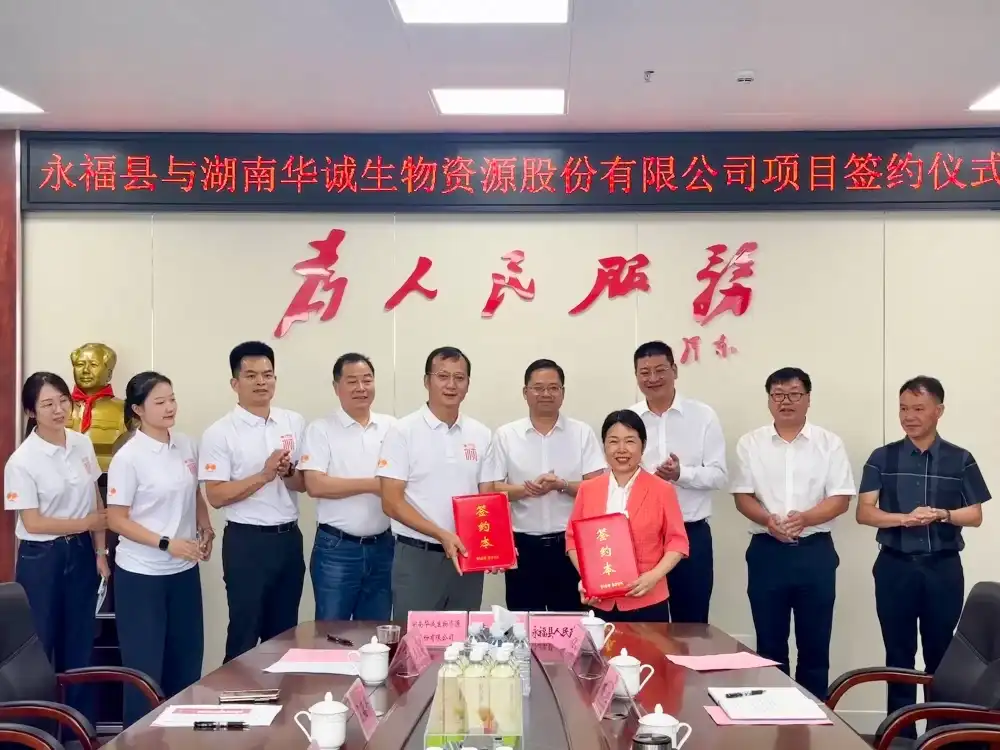
Huacheng Bio: Building Momentum for the Future, Sharing New Beginnings
Huacheng Bio has officially entered a new chapter with the formal establishment of its new...
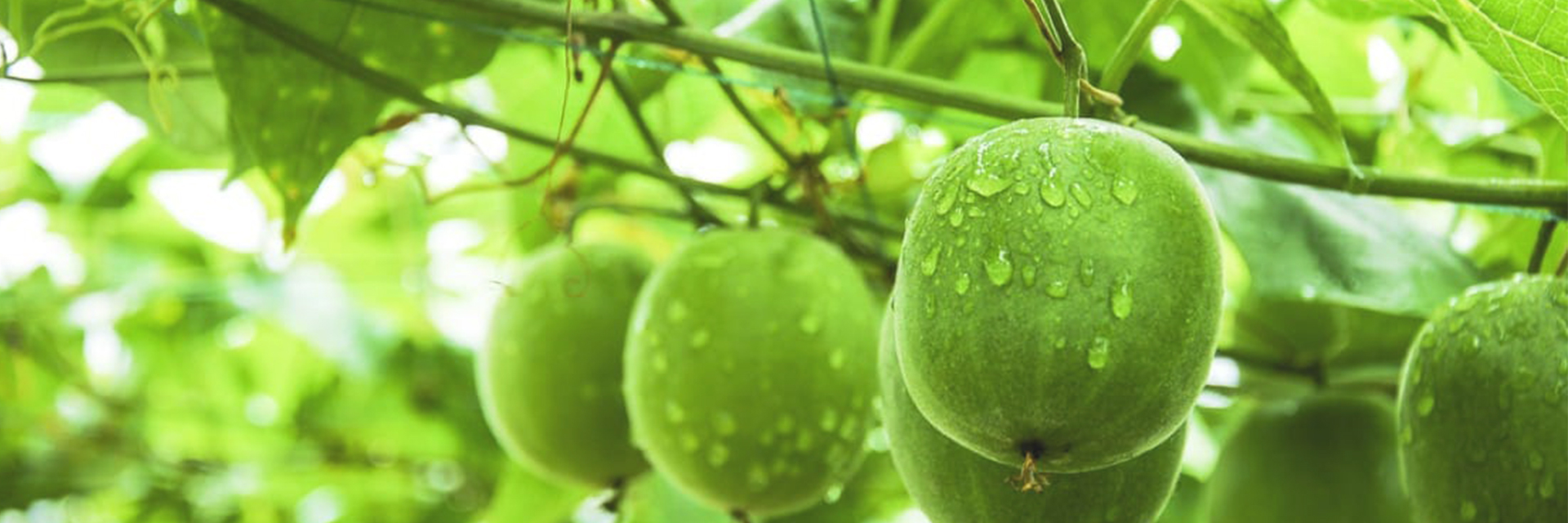
Stevia Extract Price: Where Cost Meets Long-Term Value
Most buyers looking at stevia extract price stop at the per-kilo figure. They miss the bigger picture—yield consistency, formulation impact, and supply reliability all shape what you actually pay over time. At Huacheng Biotech, we don’t chase the cheapest spot price. Instead, we align pricing with practical cost control: standardizing purities to minimize R&D rework, holding buffer inventory against seasonal swings, and engineering extraction steps to raise yield per plant input. This approach grew out of running our own plantations and processing lines—a full industry chain that cuts out middlemen and passes the savings into the unit price. Whether you need Reb A 97% or a custom glycoside profile, the quote you get will reflect not just the powder, but the consistency and volume flexibility built around it. We serve brands that compete on shelf price yet can’t compromise on taste or label claims. If your goal is to lock in a stevia supply where price and performance stop contradicting each other, the numbers often start with a conversation rather than a catalog list.
Technical Detail
Stevia extract pricing is not a line item; it is a function of the entire chain behind it. At Huacheng Biotech, we grow our own stevia leaves, run ISO‑22000 and BRC‑certified extraction facilities, and control the full process from seedling to finished powder. This vertical integration removes the traders and toll‑manufacturing markups that typically inflate bulk costs. The result is a price structure that rewards volume, long‑term commitments, and clarity on specifications. Common price drivers like Reb‑A / Reb‑M ratios, particle size, or microbial limits become negotiable factors once the supply chain is consolidated under one roof. Our technical team can guide you through the sweetener profile that hits your cost‑in‑use targets—sometimes a minor adjustment in glycoside composition lowers the ingredient cost more than squeezing the unit price ever could. We also hold FDA, HACCP, GMP, CE, and BRC certifications, which means the quality is pre‑audited and you are not paying a premium for compliance paperwork later. For brands scaling up with zero‑calorie formulations, the mission we run on—bringing natural, zero‑calorie healthy sweeteners to everyone—translates into bulk economics that make sense at mass production volumes. Our customers typically find that the per‑unit saving from reduced reformulation cycles and guaranteed lead times outweighs any headline price advantage from fragmented sourcing. When you evaluate stevia extract price with Huacheng Biotech, you are looking at a detailed breakdown tied to your production calendar, not a one‑size‑fits‑all rate card.
News
Huacheng Bio has officially entered a new chapter with the formal establishment of its new...
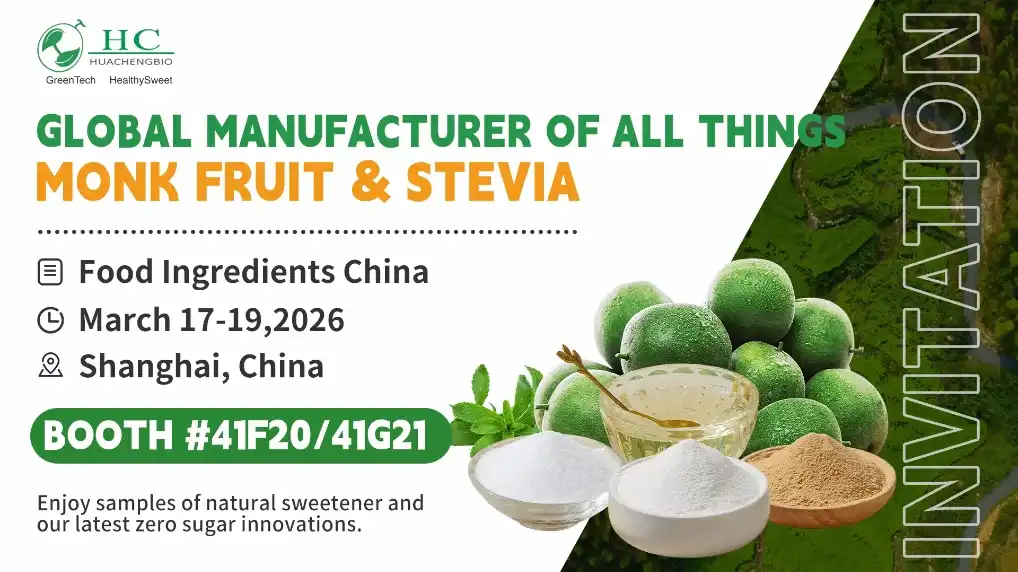
Join Us at Food Ingredients China (FIC) 2026! March 17–19, 2026 Hall 4.1 | Booth...

As a global leader in natural, health‑forward sweetening solutions, we will be present at ...
Products
FAQ
Several factors move the needle: purity grade (Reb A, Reb M, or custom blends), particle size for solubility, microbial specs, and packaging. But the bigger lever is the supply chain setup. When extraction and farming sit under the same roof, seasonal leaf price swings get absorbed internally, and the lab can adjust glycoside profiles to fit your formula without extra steps. That avoids hidden cost bumps that show up later in reformulation.
Look at the total cost of use, not just the quoted unit price. A slightly higher purity front‑load might reduce the inclusion rate and save downstream. Also, ask about volume pooling—if your quarterly orders can be consolidated into one production run, you often unlock a better rate. Working directly with a manufacturer that controls the whole chain, from plantation to final QC, usually skips the margins added by brokers and repackagers.
Yes, the setup directly affects pricing. We run our own stevia farms and processing lines, so there is no middleman taking a cut between harvest and shipment. The same team that aligns the harvest schedule with extraction capacity also handles your specs. That coordination saves time, reduces waste, and lets us offer consistent pricing even when global sweetener markets shift. For long‑term contracts, this integration often becomes a stability advantage.
Stevia can be more affordable per sweetness unit than monk fruit, and unlike many sugar alcohols, it does not bring calories or gut side effects. But the real comparison is in formulation synergy. Often a stevia–erythritol blend lowers the total sweetener system cost. Our application team can run cost‑in‑use models for your specific matrix—something that changes the price conversation from per‑kilo to per‑finished‑unit.
Standard MOQ for food‑grade stevia extract is usually 25 kg, with larger orders tuning the pricing curve downward. Lead times depend on specification complexity: off‑the‑shelf Reb A ships within days from stock, while a custom glycoside blend might add a week or two for blending and re‑testing. We recommend sharing your production forecast so we can lock batch slots and material allocation—that alone can avoid last‑minute expedited freight charges that inflate landed cost.
Share your product type, target capacity, and application requirements. Our team can review the details and recommend a practical next step.